



California could become the next state to ban dolphin breeding for entertainment purposes. The initiative arises in a context of growing international rejection of extreme captivity.
The closure of the Miami Seaquarium after more than 50 years, as well as the ban in Mexico on breeding marine mammals and holding dolphin shows, mark a change in trend. Additionally, Canada and France have adopted similar national restrictions.
In this scenario, PETA commissioned a survey to measure public opinion in California. The results show broad support for limiting these practices.
According to the survey, the majority of voters support banning the breeding, import, export, and exploitation of dolphins for entertainment. Likewise, a significant proportion supports the relocation to coastal sanctuaries.

Survey and Methodology
The study was conducted by Embold Research between October 8 and 20, 2025. It involved 1,243 registered voters in California.
77% expressed support for banning breeding after learning about the confinement conditions. Additionally, 74% expressed a preference for relocating dolphins to larger coastal spaces.
The sample was recruited through dynamic online sampling. Subsequently, weighting was applied according to age, gender, race, educational level, and the 2024 presidential vote.
The estimated margin of error is +/- 3%. Therefore, the results reflect a consistent trend in public opinion.
Life in Captivity and Ethical Concerns
In the wild, dolphins travel up to 100 kilometers daily and form complex social bonds. However, in marine parks they remain in reduced tanks and forced groups.
Animal welfare organizations denounce invasive practices in breeding programs. Among them, artificial inseminations and procedures that generate ethical controversy.
Parks like SeaWorld and Six Flags Discovery Kingdom continue to house dolphins in closed facilities. This occurs while the debate on animal welfare increases. Prolonged confinement can affect the physical and behavioral health of cetaceans. Therefore, the discussion focuses on alternatives that prioritize their welfare.
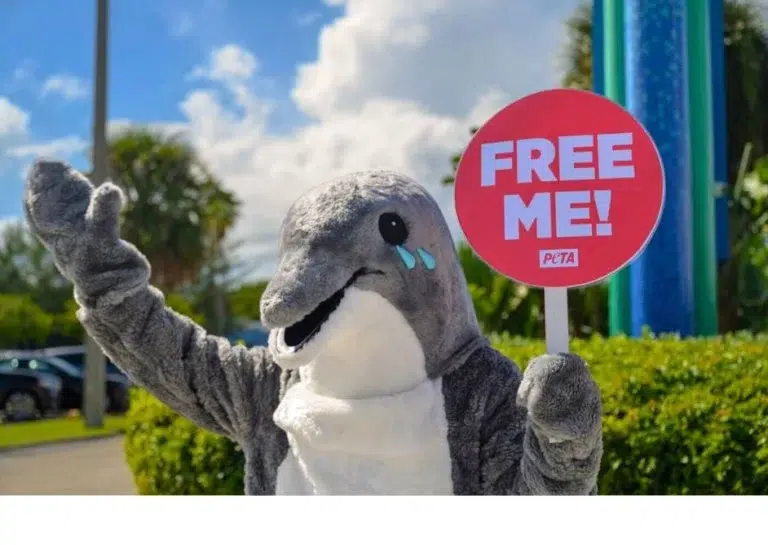
SeaWorld and the Future of Marine Entertainment
SeaWorld was one of the main operators of marine mammal parks in the United States. For decades, its programs combined exhibition, breeding, and shows.
However, social and legislative questioning forced a review of business models. Some parks are moving towards educational exhibits without active breeding.
The eventual approval of a law in California could redefine the industry. Additionally, it would consolidate the transition towards marine sanctuaries as an alternative.
Consequently, the debate transcends the local and is inserted into a global discussion on ethics and conservation. The legislative outcome could set a precedent for other states and countries.



