



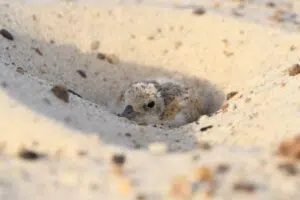
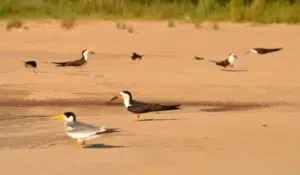
With the arrival of spring, the islands and sandbanks of the Uruguay River become a refuge and home for numerous water birds. There, mixed colonies begin to form where species such as the skimmer, the atí, the collared plover, and the small tern build their nests and raise their chicks.
The start of the nesting season marks a key moment for conservation. Therefore, environmental organizations, staff from the Islands Natural Park and Green Channels of the Uruguay River, and the Secretariat of Environment launched an awareness campaign aimed at those who enjoy the river and its landscapes.
The objective is simple but vital: to enjoy the environment with respect, ensuring the survival of these birds that are indicators of the good health of the riparian wetlands.
A campaign that unites conservation and recreation
The initiative seeks to reduce human impact in the nesting areas, especially during the months of highest tourist influx. Between September and March, the birds face risks caused by boats, pets, loud noises, and waste.
The joint work between WCS Argentina, the Guirá Pirá Bird Observers Club, Forest Bank, and the Secretariat of Environment promotes good practices for responsible tourism and harmonious coexistence between nature and recreation.
The campaign is complemented by talks, educational material, and awareness activities in towns near the park, such as Concepción del Uruguay, to involve fishermen, boaters, and frequent visitors.
Threats that endanger the river’s balance
During the summer season, the increase in visits to the islands generates multiple pressures on the breeding colonies. The waves from high-speed boats can flood nests, while landing in nesting areas can cause the loss of eggs or chicks.
Pets also pose a danger, as their presence scares away the birds or causes predation. Added to this are loud noises, trash, and activities that alter the natural behavior of the species.
Organizations remind that small gestures —such as avoiding approaching the colonies, keeping silent, or not leaving waste— can make the difference between life and the loss of hundreds of nests.
Environmental education to protect what is not always seen
The campaign places special emphasis on education and knowledge as tools for conservation. Through open talks and workshops, it seeks for riverine communities to recognize the importance of these ecosystems and become allies in their care.
The meetings, organized in cultural centers and public spaces, promote collective learning about the river birds, their nesting habits, and the threats they face.
This educational approach strengthens the sense of belonging towards the natural heritage and contributes to building an environmental awareness based on citizen participation.
A park that connects islands, life, and communities
The Islands Natural Park and Green Channels of the Uruguay River was created in 2024 as part of a provincial strategy to conserve wetlands, riparian forests, and river ecosystems.
Its creation responded to a local demand: to protect a biological corridor where unique species coexist and where the ecological balance depends on the care of each island.
The participatory management of the park involves communities, park rangers, and civil organizations working to consolidate a conservation model based on collaboration and respect for wildlife.
The environmental benefits of protecting the river birds
Caring for the breeding colonies of the Uruguay River not only protects the birds: it also preserves the health of the river ecosystem. These species control insect populations, disperse seeds, and act as bioindicators of environmental quality.
Their presence reflects a balance between water, soil, and vegetation, ensuring the stability of the habitat and the well-being of human communities that depend on the river.
Each cared-for nest, each conscious visitor, and each preventive action are firm steps towards a future where the life of the river —in all its forms— continues to flow free and diverse.



