



A recent official provision has once again raised the alarm among environmental organizations. The Resolution No. 1194, issued by the Natural Resources and Inspection Directorate of Entre Ríos, authorized the hunting of up to 150,000 coypus during the winter season, generating concern about its impact on the native fauna.
The regulation allows the capture of these aquatic mammals between June 24 and September 29, except in protected areas. The measure aims to control their population due to alleged damages to embankments and pecan crops, although organizations consider that it responds more to productive interests than ecological reasons.
The announcement quickly drew criticism from conservationist sectors, accusing the provincial government of acting to the detriment of biodiversity. In May, the administration had already been questioned for allowing the hunting of native birds, reinforcing suspicions about a permissive environmental policy.
What is striking is that the measure comes at a time when the province is promoting its tourism campaign #CarpinchoMode, which invites people to enjoy nature and the tranquility of the coastal environment, a paradox that did not go unnoticed by environmental defense organizations.
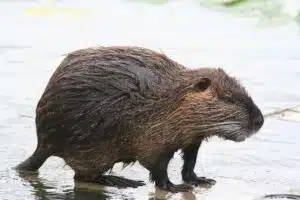
The Coypu: a Key Inhabitant of Wetlands
The coypu (Myocastor coipus), known as the nutria, is a native species of the wetlands of the Argentine coast. It inhabits rivers, lagoons, and estuaries, where it plays an essential role in the balance of ecosystems.
Its presence contributes to the maintenance of aquatic biodiversity, as it intervenes in the natural dynamics of riparian areas. Unlike exotic or invasive species, the coypu is part of the biological heritage of the region.
Although some productive sectors consider it a pest due to its digging habits, its control must be carried out based on scientific and ecological parameters, avoiding mass extermination practices that could destabilize natural environments.

A Fauna under Pressure and Policies under Scrutiny
The authorized hunting of coypus adds to a series of official decisions that have raised concerns about the environmental policy of Entre Ríos. Criticisms point to the lack of prior environmental assessment and the absence of effective protection measures for native fauna.
The risk of drastically reducing the coypu population could alter the functioning of wetlands, key spaces for biodiversity, water quality, and climate regulation. Additionally, the measure clashes with the tourism promotion actions that highlight the natural richness of Entre Ríos.
The discussion continues between those demanding responsible management of wildlife and the authorities, who will have to demonstrate whether their policy prioritizes sustainable development or responds to sectorial pressures.



