



After an interesting investigation, scientists discovered the “plastic-eating worm”. It is an African insect that was already known, but this new way of feeding had not been proven.
That is, they tested the potential of the lesser mealworm (scientifically known as Alphitobius) to consume plastic.
While the world faces a growing challenge of plastic waste, scientists from the International Centre of Insect Physiology and Ecology (ICIPE) published their discovery in the journal Scientific Reports.
Plastic-eating worm: a solution to pollution?
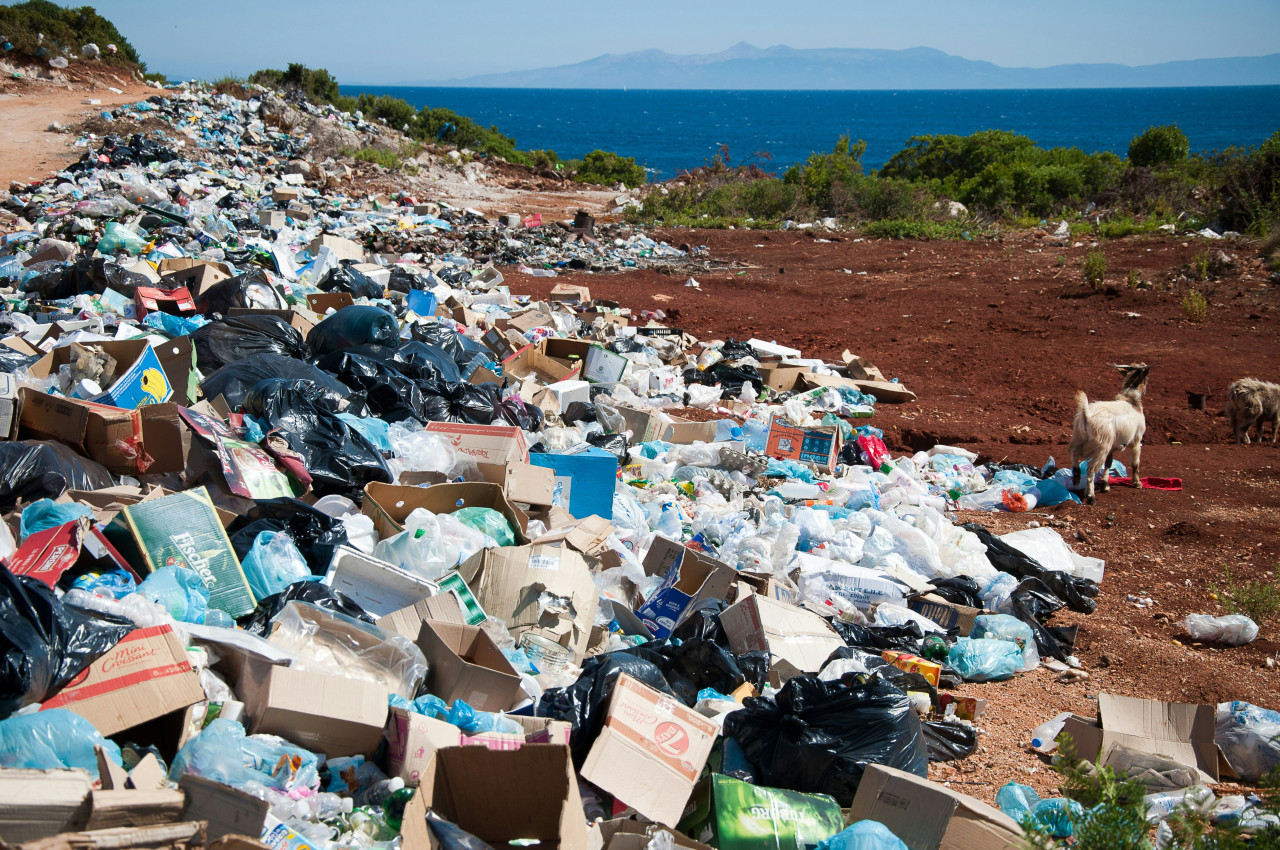 Environmental pollution due to plastic waste. (Photo: Unsplash).
The researchers also observed a consortium of bacteria important in the intestine of the mealworm, which help in the digestion of plastic. Therefore, both the mealworm and the bacteria could be exploited to biodegrade plastic.
“Although often confused with common worms, mealworms are the larvae of darkling beetles. Worldwide, yellow mealworms, the larvae of a darkling beetle species called Tenebrio molitor, have been used to biodegrade plastic,” detailed in a statement Dr. Fathiya Khamis, senior scientist at ICIPE and lead researcher of the study.
“However, this is the first time that it has been documented that the lesser mealworms, native to Africa, have this capability,” she added.
The problem of plastic in the world
More than 400 million tons of plastic are produced worldwide each year; less than 10% is recycled and an estimated 19 to 23 million tons end up in lakes, rivers, and seas.
 More than 400 million tons of plastic are produced worldwide each year.
Plastics can contain toxic chemicals, and waste contaminates water, affects soil quality, ecosystems, and essential services, create breeding grounds for mosquitoes, and end up in the food chain.
While Africa produces only 5% and consumes 4% of the world’s plastic, there is an increase in single-use plastics. The continent is now the second most contaminated in the world.
Have you visited our YouTube channel yet? Subscribe now!


