



For centuries, elephants have held a central place in Indian culture. Used in religious ceremonies, parades, and agricultural work, they were considered symbols of strength and wisdom. With the rise of tourism, this relationship transformed: what was once a cultural practice became a multimillion-dollar business.
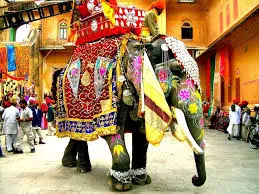
In regions like Rajasthan, elephant rides became popular as an exotic attraction for visitors. However, behind every photograph or tour, there is a hidden process of forced domestication. The animals are captured, trained, and deprived of their natural behaviors to ensure obedience.
Despite their calm appearance, elephants were never truly domesticated. They remain wild animals subjected to routines alien to their biology, confined in small spaces and dependent on human control.

The hidden suffering behind captivity
Research by various environmental organizations has revealed that many elephants destined for tourism live in alarming conditions. Chained for hours, poorly fed, and deprived of social interaction, they develop severe physical and psychological disorders.
The use of rigid chairs and control tools causes chronic injuries to the skin, joints, and spine. Stress symptoms are visible: repetitive movements, compulsive swaying, and episodes of aggression. These behaviors do not reflect “bad character,” but suffering.
Some elephants have attacked humans, not due to violent nature, but due to accumulated frustration. Each case exposes the consequences of keeping social and intelligent animals in environments where their freedom and well-being are sacrificed for entertainment.
The role of mahouts and economic pressure
The caretakers, known as mahouts, represent another link in this complex relationship. Their bond with the elephants is passed down from generation to generation, but it is marked by economic necessity. In many communities, working with these animals is the only stable source of income.
Maintaining an elephant requires enormous resources. Daily feeding can exceed hundreds of kilos of vegetables, fruits, and forage, which implies expenses impossible to cover without resorting to tourist activities. This dependency perpetuates the cycle of exploitation.
Meanwhile, competition among sanctuaries, tourist centers, and private owners has intensified the pressure on the animals, transforming a cultural relationship into an economy based on survival and performance.
The response of protective organizations
Animal protection and environmental organizations have been denouncing the practices that sustain this industry for years. Campaigns by entities like PETA India or Wildlife SOS aim to rescue elephants in poor condition and promote sanctuaries where they can live without exploitation.
These shelters offer veterinary care, spacious areas, and rehabilitation programs. However, not all centers meet adequate standards, and the lack of regulation allows many to operate under the guise of “sanctuaries,” when in reality they function as covert tourist businesses.
The associations insist on the need for stricter laws that limit the use of elephants in recreational activities, strengthen health controls, and prioritize their well-being over profit.
Ambiguous legislation and an uncertain future
Recent reforms to the Wildlife Protection Act in India have sparked debate. Although some measures prohibit the use of older or sick animals, others allow elephants to be kept in captivity for religious or cultural purposes, creating a legal loophole that facilitates their transfer and commercialization.
These contradictions jeopardize the progress made and reinforce the idea that the boundary between conservation and exploitation remains blurred. Without clear regulation, elephants continue to be treated as property rather than living beings with rights.
India, home to one of the largest populations of Asian elephants, faces a dilemma today: preserve an ancient tradition or embrace an ethical change that ensures respect and freedom for these emblematic animals.

Rethinking tradition from ethics and ecology
Responsible tourism and environmental education emerge as alternatives to break this cycle. Promoting activities without physical contact, supporting verified centers, and fostering respect for ecosystems are essential steps towards a fairer model.
Animal welfare is closely linked to ecological balance. Elephants, as a key species, contribute to maintaining forests and dispersing seeds. Their suffering not only reflects a moral crisis but also an environmental threat.
Rethinking the place of the elephant in Indian society does not mean denying its cultural value, but redefining it from compassion and sustainability. Only then can these majestic creatures regain the space and dignity that captivity has taken from them.



