



The Galapagos Islands, declared World Heritage Site by UNESCO in 1979, are one of the most unique ecosystems on the planet. Among its most emblematic species are the giant tortoises, which have faced centuries of threats due to human action.
However, conservation efforts are yielding concrete results, both in the archipelago and in specialized centers abroad.
Restoring what was lost: the case of the Floreana tortoise
A species believed to be extinct is repopulating its island thanks to genetically compatible hybrids.
The arrival of Europeans in the 16th century marked the beginning of the population decline of the giant tortoises. The critical point came in the 19th century, when whaling ships captured them as provisions. In 1970, a new stage began: active conservation.
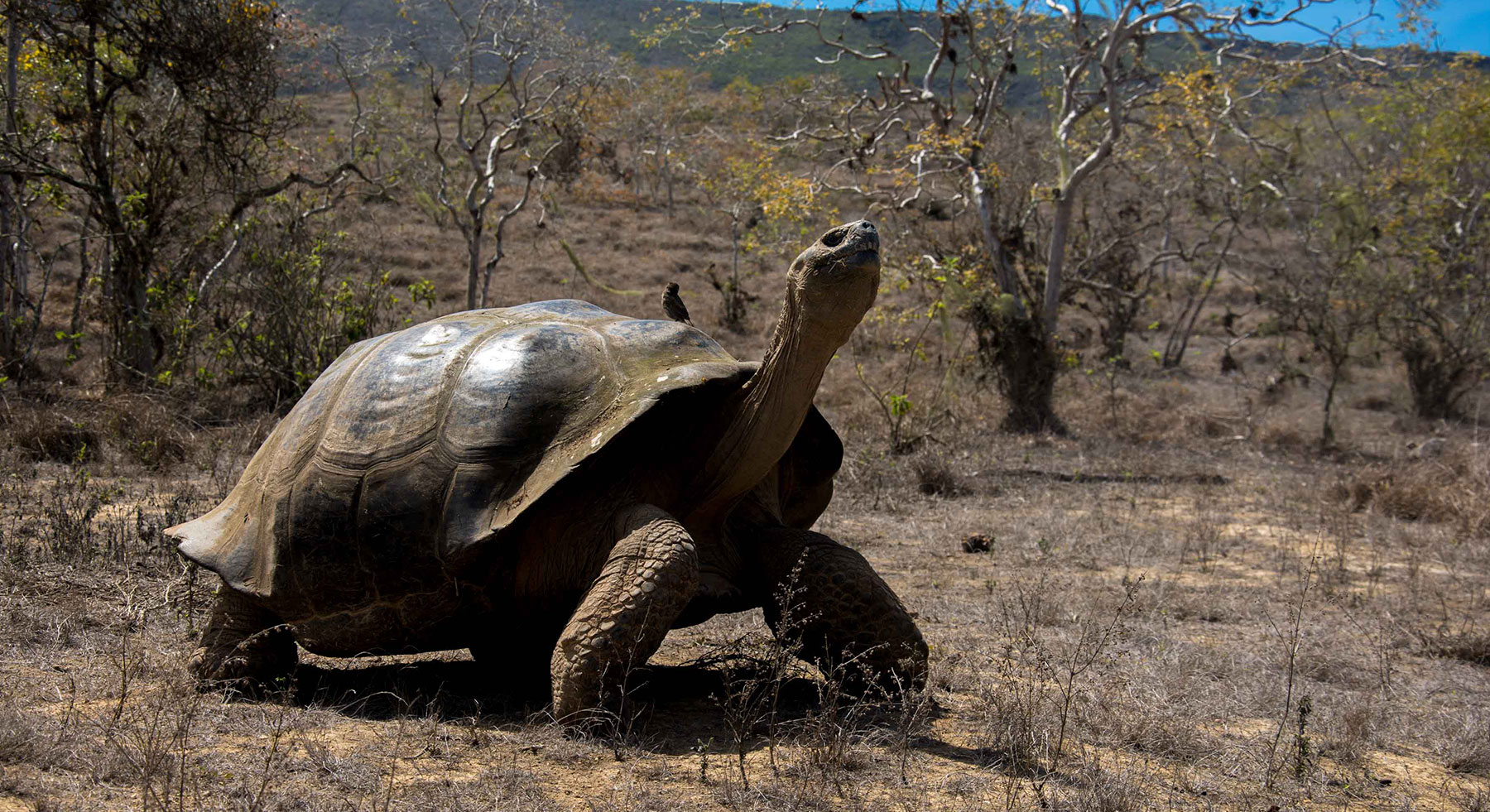
One of the most remarkable cases is that of the Floreana tortoise, considered extinct. Researchers from Galapagos Conservancy, like biologist James Gibbs, detected compatible genes in specimens from Wolf volcano, which allowed them to identify natural hybrids with Floreana ancestry. After collecting samples and analyzing historical shells, genetic viability was confirmed.
In 2015, 30 hybrid specimens were transferred to the breeding center in Santa Cruz. Today, the population exceeds 600 individuals, of which 300 are ready to be reintroduced to Floreana Island when the rains begin.
A centennial birth in Philadelphia
A Galapagos giant tortoise becomes a mother for the first time at 100 years old.
At the Philadelphia Zoo, a tortoise named Mommy gave birth to four female offspring on February 27, after almost a century of life. Along with Abrazzo, another long-lived resident, they are part of the west of Santa Cruz species, native to Galapagos.
“This is a historic milestone,” celebrated Jo-Elle Mogerman, zoo director. Mommy arrived in 1932 and has been seen by generations of visitors.
The offspring, weighing between 70 and 80 grams, are part of the Sustainability Program (SSP) of the American Association of Zoos and Aquariums, which seeks to preserve threatened species. Before this birth, there were only 44 tortoises of this species in American zoos.
Ambassadors of biodiversity and resilience
Giant tortoises inspire conservation actions and environmental awareness.
“These offspring not only protect the species, but also inspire wildlife conservation,” highlighted Rachel Metz, Vice President of Animal Welfare.
Galapagos tortoises are the largest in the world: males reach 225 kg and females up to 115 kg. They can live between 100 and 200 years, and currently there are 13 living species distributed on seven islands of the Ecuadorian archipelago.



