



Although they are part of aquariums and homes worldwide, goldfish are generating growing concern among environmental specialists. Researchers from the University of Missouri and the University of Toledo warned that when released into lakes and ponds, these animals cause significant ecological imbalances.
The study revealed that the species rapidly alters water quality and affects the survival of native organisms. Additionally, scientists noted that many specimens reach much larger sizes in natural environments, increasing their impact on aquatic ecosystems.
However, the problem is not limited to a single country. Due to the global trade of ornamental pets, goldfish are already present in water bodies of different regions, where they compete with native species and alter the natural dynamics of lakes and wetlands.

How do goldfish deteriorate lakes and ponds?
To understand the extent of the phenomenon, researchers used small artificial lakes that mimicked real conditions. There they introduced goldfish and monitored the environment’s evolution over a prolonged period.
The results showed an accelerated deterioration of the ecosystem. The fish stirred up sediments from the bottom, increased suspended particles, and reduced water transparency. As a result, the environmental quality of the ponds decreased.
Moreover, populations of snails, amphipods, and zooplankton suffered significant declines. These small organisms perform essential functions in aquatic environments, as they help maintain the ecological balance and serve as food for other species.
On the other hand, native fish also showed signs of physical deterioration and environmental stress. Specialists warned that if these alterations continue over time, they could trigger a sustained decline of native populations.
The environmental risk behind releasing pets
Scientists also modified the aquatic vegetation to evaluate other factors that could influence the deterioration of the ecosystem. Although these changes had certain effects, the main cause of the damage remained the presence of goldfish.
In this context, researchers insisted that releasing pets into natural environments does not represent a harmless act. On the contrary, it can promote the expansion of invasive species that are difficult to control.
They also warned that goldfish can cause an “ecological regime shift.” This occurs when an ecosystem loses its original balance and shifts to a degraded state, whose recovery is complex and costly.
Faced with this situation, specialists called for strengthening prevention strategies, early detection, and population control to prevent the species from continuing to expand in lakes and wetlands.
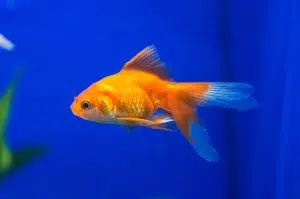
Why are goldfish so popular as pets?
Goldfish are among the most common aquatic pets on the planet due to their resilience, easy maintenance, and broad adaptation to different domestic aquariums. Additionally, they can survive in various environmental conditions and tolerate temperature variations better than other ornamental species.
This is complemented by their cultural and historical value. Originating from Asia, especially China, they have been selectively bred for centuries for their striking colors and varied shapes, which boosted their popularity in homes in Europe and America.
However, that same adaptability explains why they pose an ecological problem when they reach natural environments. Their rapid growth, high reproduction, and opportunistic behavior allow them to easily colonize lakes and ponds.
Therefore, environmental organizations recommend that if owners can no longer care for them, they should seek responsible alternatives, such as handing them over to specialized shelters or contacting aquarium associations, always avoiding releasing them into rivers, lagoons, or wetlands.



