



This 2026, Panama decided to indefinitely prohibit the export of sharks and rays within the Convention on International Trade in Endangered Species of Wild Fauna and Flora (CITES).
The important thing is that this prohibition applies to the export of all sharks and rays included in the CITES Appendices, and not only to species in danger of extinction.
The regulation, which came into effect with the new year, aims to prevent the overexploitation of these vulnerable species and ensure their survival in marine ecosystems.
Additionally, the zero quota not only bans commercial exports of sharks and rays, but also their products, by-products, parts, or derivatives.
The goal is to generate the necessary time to strengthen scientific information, population monitoring systems, and control and traceability mechanisms.
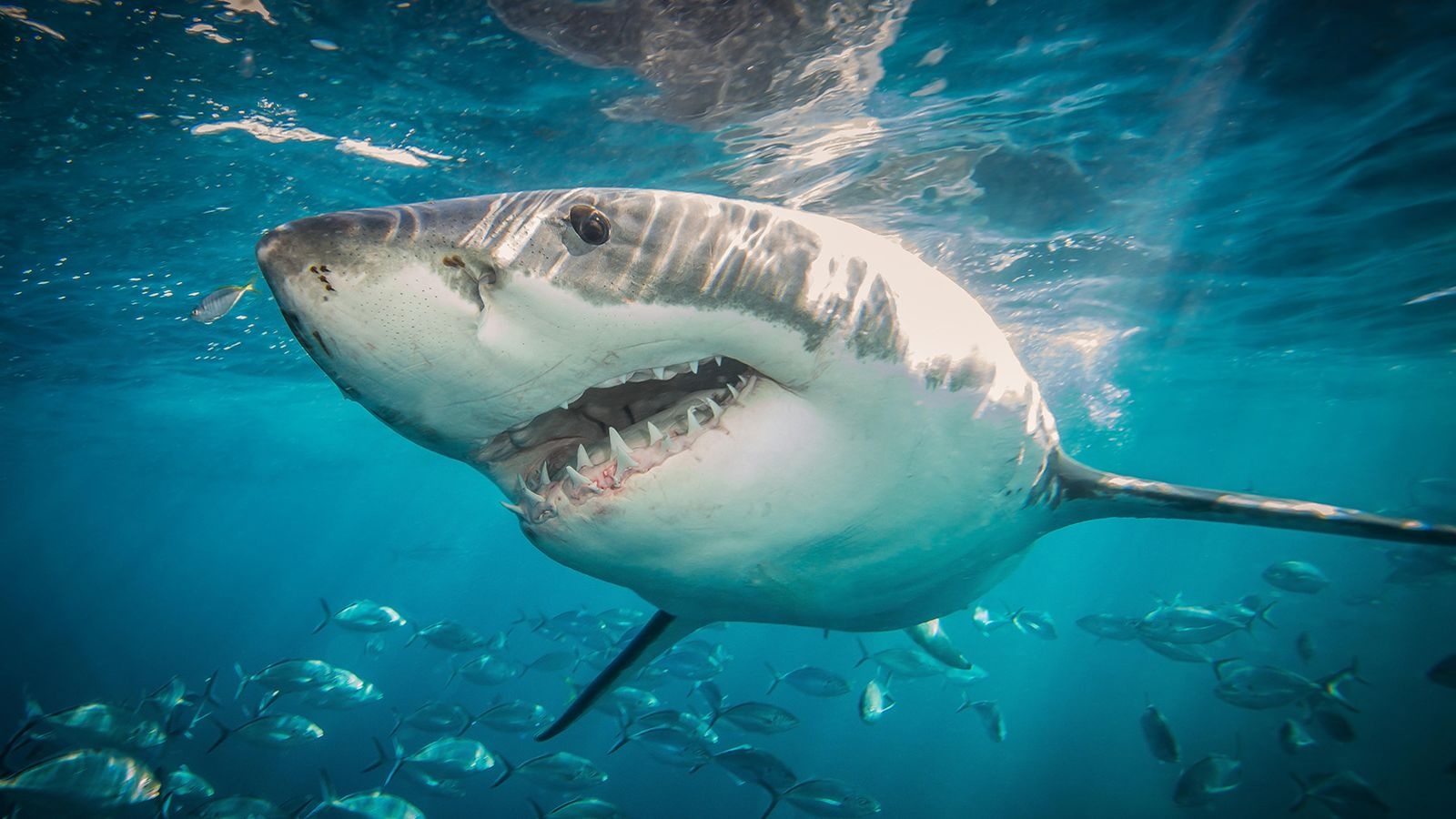
The details of the shark export ban in Panama
According to Panama, the ban will remain active indefinitely until scientific research by species is completed.
Now, the nation must implement population monitoring and strengthen effective traceability and control actions.
This was specified in the official statement released by Panama’s Ministry of Environment.
It adds that the halt to the export of sharks and rays is due to the biological vulnerability of these species.
In particular, the trade of animals included in the three CITES Appendices, which categorize species as follows, was prohibited:
- Appendix I: includes species in danger of extinction, whose international trade is prohibited.
- Appendix II: contains species that are not necessarily endangered, but could become so if their trade is not regulated.
- Appendix III: comprises species that are subject to regulation in at least one country and require cooperation from other countries to prevent unsustainable exploitation.
For Panama, the ecological value of sharks and rays in marine ecosystems justifies the need to ensure that any future use is compatible with conservation.

Exceptions for scientific and educational purposes
The zero quota provision only exempts scientific, medical, educational uses and those required for the application of law, judicial or forensic purposes.
These cases must first comply with the formal authorization processes established by the Ministry of Environment in its capacity as the CITES administrative authority in Panama.
The permitted exceptions include:
- Scientific research on the species
- Authorized medical uses
- Educational purposes
- Forensic or judicial applications
The export of sharks for commercial purposes is completely banned, with no possibility of permits for international transactions of a lucrative nature.
The official notification to CITES and international commitment
The Ministry of Environment officially notified the Convention Secretariat and the Parties about the implementation of this conservation measure.
“MiAMBIENTE in its capacity as CITES Administrative Authority officially notified the Convention Secretariat and the Parties about the implementation of this measure,” added the official statement.
Following this, CITES globally notified the measure as part of national actions for the protection of marine resources and the responsible management of commercially interesting species.
The indefinite ban on the export of sharks represents a significant step in regional marine conservation.
Panama thus joins international efforts to protect threatened species and preserve the balance of ocean ecosystems.

