



In the last days, a successful wildlife rescue took place in the Port Aransas area, Texas, United States. They released a dolphin calf that had dangerously become entangled in fishing gear.
The rescue operation was led by the Texas A&M University Marine Science Institute, in collaboration with the Texas Marine Mammal Stranding Network.
The incident once again highlights the threat posed by abandoned waste and fishing gear in the oceans.
Wildlife rescue and debate: dolphins at risk due to human activities
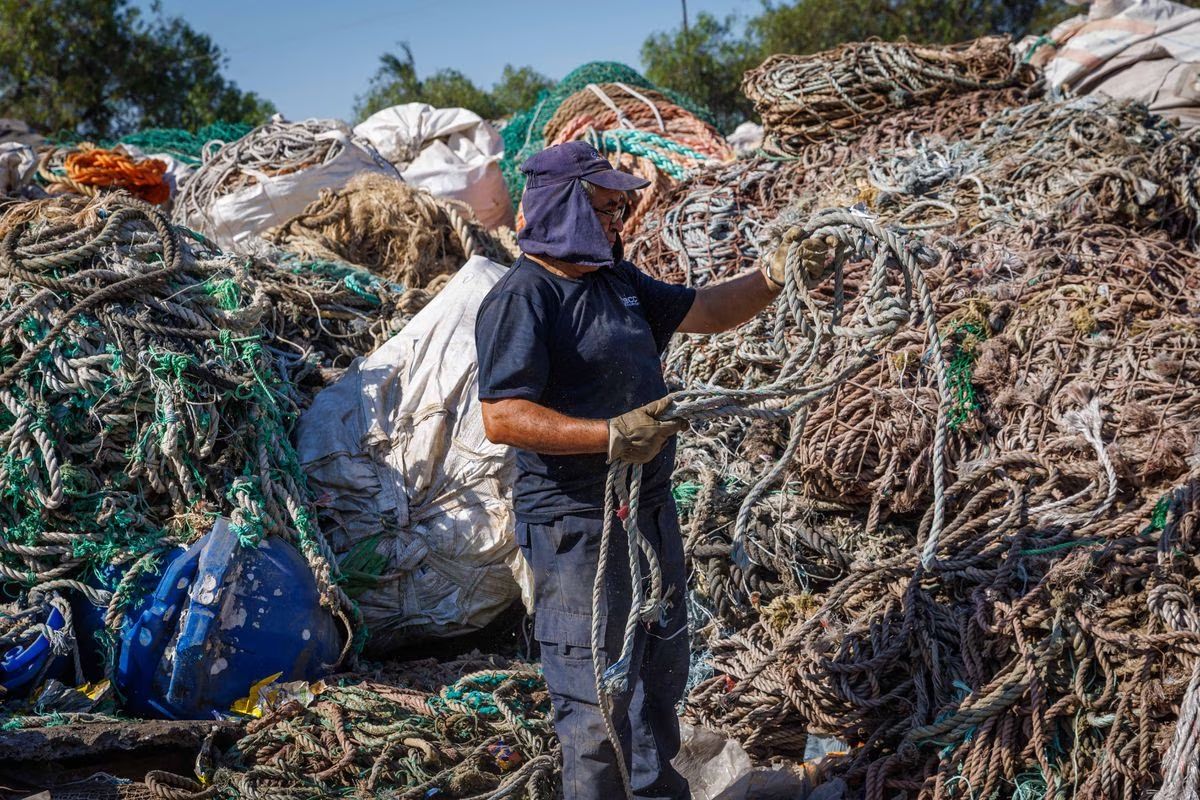 Fishing waste and issues for marine life.
The specimen, still very young, as identified by the rescuers, showed clear signs of stress and difficulty swimming, a result of the ropes and synthetic materials entangling its body.
The rescue was made possible thanks to a report made by citizens who spotted the dolphin in trouble and alerted the authorities.
The Marine Science Institute emphasized the importance of promptly reporting any sightings of entangled or stranded animals. Since response time is crucial to increase survival chances.
“Fortunately, we arrived in time. But this case highlights the urgent need for more responsible fishing practices and reducing marine litter,” stated the Stranding Network.
The team of marine biologists was able to intervene quickly and free the animal, which they later saw swimming normally again with its family group.
Despite this successful outcome, it is worth noting that this is not an isolated incident. Every year, thousands of marine mammals get trapped in fishing nets or plastic waste.
This type of interaction, known as “bycatch”, represents one of the main causes of injuries and mortality for protected marine species such as dolphins, turtles, whales, and seals.
The global impact of “ghost fishing”
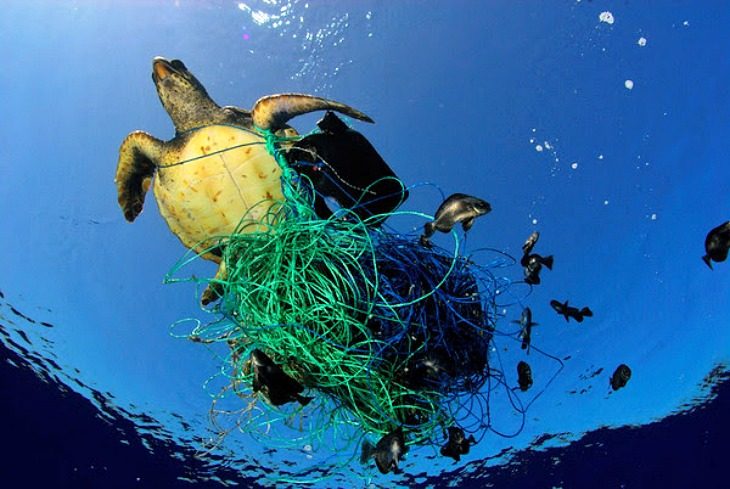 They are dangerous for animals like turtles and dolphins.
Abandoned or lost fishing nets, also known as “ghost nets”, continue to trap animals long after being discarded.
It is estimated that over 640,000 tons of fishing gear end up in the oceans each year, severely affecting biodiversity and marine ecosystems.
These invisible traps for marine wildlife represent a global environmental challenge that requires urgent measures: from the implementation of stricter regulations to coastal cleanup campaigns and public awareness.
What to do if you see a dolphin entangled or stranded?
Organizations like the Texas Marine Mammal Stranding Network recommended, in similar situations, not to intervene directly, but to immediately inform local authorities or specialized centers.
Always provide the exact location and any relevant details. The proper protocol is key to avoid worsening the animal’s situation.


