



Some time ago, invasive rat pests threatened the biodiversity of Mexican islands. That’s why the authorities took action by incorporating advanced technology.
The Data Science team of the civil association Grupo de Ecología y Conservación de Islas (GECI) developed NERD (Numerical Estimation of Rodenticide Density). This algorithm helps to verify in real-time if this is fulfilled.
Invasive rat pests in Mexico: the innovative technique to combat them
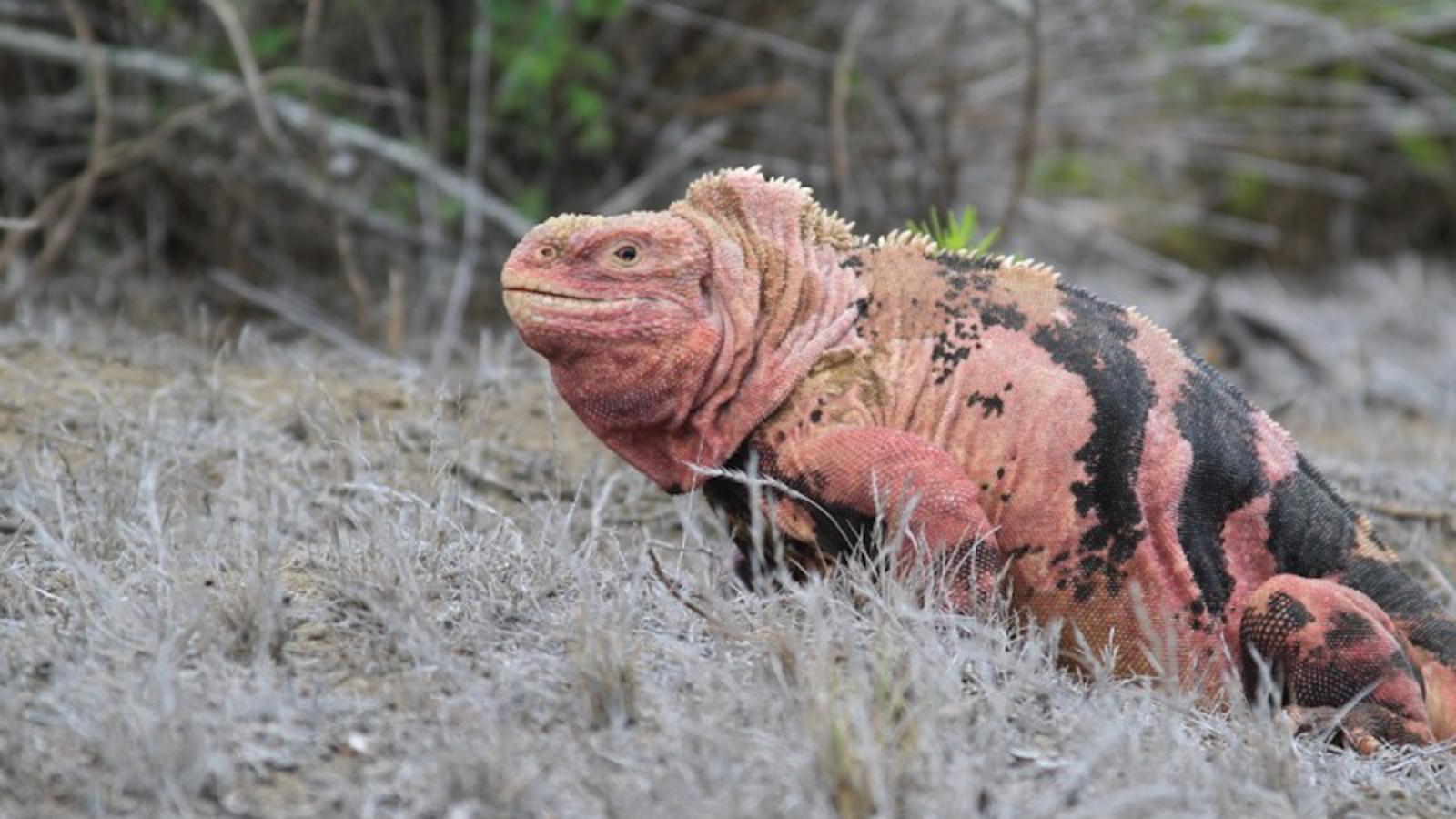 They threaten the biodiversity of the islands.
In large land areas, the most common strategy against harmful rodents is to drop poisoned baits from helicopters.
The success of these missions depends largely on the correct distribution of rodenticides. That’s why the Data Science team of GECI developed NERD. This algorithm helps to verify in real-time if this is fulfilled.
GECI’s ultimate goal is to restore all Mexican islands considered a priority. They have already succeeded in eradicating 60 populations of 11 invasive mammals on 39 islands in the country.
According to local media reports, it is documented that rat eradications on tropical islands fail more frequently than in temperate climates.
Biodiversity Protection
Furthermore, conservation efforts around the world are increasingly focusing on larger islands with greater technical challenges. A study published in Plos One suggests that eliminating invasive mammals on 169 islands before 2030 could help prevent the extinction of 111 threatened species of vertebrates.
Pests hit tropical islands hard because they are often home to species that exist nowhere else in the world.
It is believed that the “ship rat” (Rattus rattus) arrived in this Caribbean paradise in the 16th century through shipwrecks.
With camera traps, it was discovered in the 2000s that rats were moving over crocodile nests. In the reserve management plan, this animal is identified as a threat to birds and crocodiles, and as a possible carrier of the pathogenic bacterium Leptospira interrogans on the atoll.


