



A historic reform is advancing in the Mexican Senate: a modification to the General Wildlife Law was approved that prohibits the use of marine mammals in shows and therapies. The new regulation excludes activities for conservation purposes, marking a shift in the relationship between humans and marine fauna.
Dolphins, sea lions, and orcas will no longer be used for recreational purposes. This measure responds to decades of complaints about the mistreatment and deprivation of freedom suffered by these animals, whose well-being is compromised under artificial conditions.
Beyond entertainment, the decision represents a key step forward for the promotion of responsible tourism. In areas such as the Gulf of California or Bahía de Banderas, respectful whale watching and sustainable fishing are becoming increasingly important.
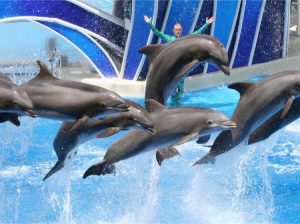 Mexico will ban dolphin shows.
New Rules, Same Sea: Tourism and Conservation Intersect
The measure comes during the peak season of sport fishing. Although it does not directly target this practice, it may have indirect effects on the design of protected areas and stricter fishing bans in highly biodiverse marine sites.
Tour boat captains are already implementing careful navigation protocols, minimizing interference with species such as whales and dolphins. This transition strengthens Mexico’s positioning as a destination for ecological and world-class tourism.
Furthermore, the reform enhances the country’s image internationally. With criteria more aligned with organizations like NOAA or DFO, Mexico is moving towards a more ethical management of its marine wealth, balancing economic development with environmental responsibility.
 A famous hotel’s dolphinarium in Mexico closes. (Photo: Barceló Maya Grand Resort).
No More Shows
In recent years, numerous water parks with animal shows, such as dolphins, have closed their doors or eliminated these practices, in response to growing social and scientific pressure. Various studies have shown the negative impacts of captivity on marine mammals like dolphins and orcas, who suffer from stress, diseases, and alterations in their natural behavior.
The change in public perception was also decisive. More and more people consider it unacceptable to use wild animals for entertainment, leading to a drop in attendance at these shows and an increase in demand for more ethical and educational alternatives, such as rescue centers or wildlife watching in the wild.
Furthermore, stricter regulations in several countries —such as bans on the use of animals in shows or higher animal welfare requirements— made the economic viability of these attractions unfeasible. Thus, the closure of these parks reflects a cultural shift towards more sustainable and wildlife-friendly forms of leisure.


