



In an effort to protect urban wildlife, the Asociación Civil Protectora Rosario requested the Municipal Council for the total prohibition of slingshots, catapults, cages, traps, and air rifles. The measure seeks to eradicate the poaching of birds and wild animals within the urban area, a practice that still persists in parks and public spaces.
The request was submitted to the Ecology and Health committees, where the need to strengthen the current regulations on the commercialization and manufacture of items for wildlife capture was presented. Organizations claim that current regulations are insufficient to stop the damage these instruments cause.
Slingshots and air rifles, widely used and without age restrictions, are identified as the main culprits of the death and mutilation of birds. The proposal seeks for them to be considered dangerous weapons and not mere toys, promoting a more respectful civic awareness of the natural environment.
The project also proposes the prohibition of the use, transport, and possession of these objects for hunting or mistreatment purposes, as well as the elimination of glues and traps intended to capture wild birds.
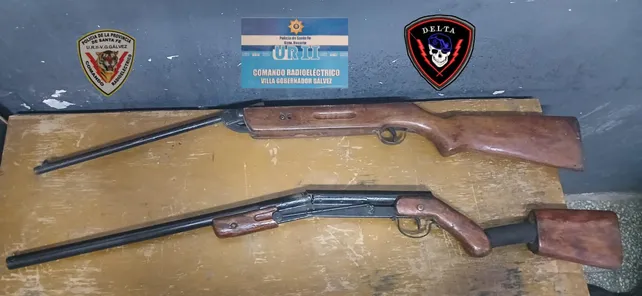
Weapons that threaten urban wildlife
Hunting with slingshots or air rifles has a devastating impact on the bird populations inhabiting parks, squares, and reserves. These weapons, although considered harmless by many, can cause fractures, internal injuries, and the slow death of animals, especially when used by children or young people without adult supervision.
The most affected species are usually the most common and trusting, such as sparrows, pigeons, and thrushes, but the damage extends to all urban wildlife. Injured birds are exposed to predation, hunger, or infections that end their lives.
Moreover, the indiscriminate use of these weapons disrupts local ecosystems. By reducing bird populations, it breaks the ecological balance, affecting processes such as seed dispersal, insect control, and the natural regeneration of vegetation.
The Protectora Association warns that a slingshot shot “is not selective”: it can injure any species, including domestic or protected animals. This type of recreation fosters violence towards wildlife and contributes to the loss of biodiversity in urban environments.
A step towards responsible coexistence
The initiative also includes the creation of a municipal school for dog trainers, with the aim of improving the relationship between animals and people. The project proposes training walkers, educators, and trainers to work with shelter dogs, helping their rehabilitation and promoting responsible adoption.
These measures aim to strengthen environmental education and empathy towards animals. According to the proposal, an educated and socialized animal has more chances of being adopted and living in harmony with the community.
The protector maintains that the municipality must take an active role in citizen education and in preventing animal abuse. Reducing the use of hunting weapons and promoting responsible ownership are complementary steps to building a safer, healthier, and ecologically balanced city.
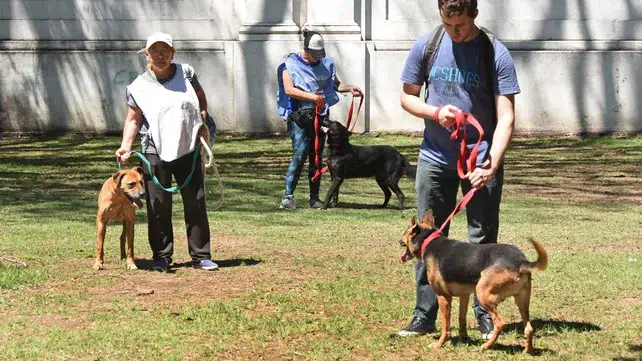
Towards a city free of environmental violence
Prohibiting hunting weapons not only protects birds and small mammals but also sends a powerful social message: urban wildlife deserves respect and care.
Each species plays a vital ecological role, and their disappearance affects air quality, pollination, and the well-being of human inhabitants themselves. Policies that discourage violence against animals are, at the same time, public health and environmental education actions.
With this proposal, Rosario is on its way to becoming a model city in the defense of urban wildlife, demonstrating that coexistence with nature is possible even in the most densely populated areas.

