



The III Simultaneous Census of the Andean Condor in San Luis gathered more than 21 observation posts and involved the participation of over one hundred volunteers distributed in the mountainous area of the province.
The activity, organized by the Andean Condor Conservation Program (PCCA) together with the Secretariat of Environment and Sustainable Development, took place between 8 a.m. and 2 p.m. under a standardized methodology that allowed for obtaining comparable and high-quality data.
The volunteers, previously trained, recorded dozens of Vultur gryphus specimens in hills, ravines, private reserves, valleys, and protected natural areas. Each observation included information on weather conditions, the number of condors sighted, and their classification by age and sex, using forms and the 123Survey application, which works even without mobile connection.
Methodology and Results
The day was organized in five-minute intervals, with records every half hour, completing a total of 13 intervals per post. The observation points were fixed, ensuring data consistency.
The census allowed for:
- Strengthening collaborative work between institutions and volunteers.
- Generating valuable information for the population monitoring of the species.
- Reaffirming community commitment to the protection of biodiversity and mountain ecosystems.
The final document prepared by the PCCA will be published in the coming weeks, consolidating the results of this third edition.
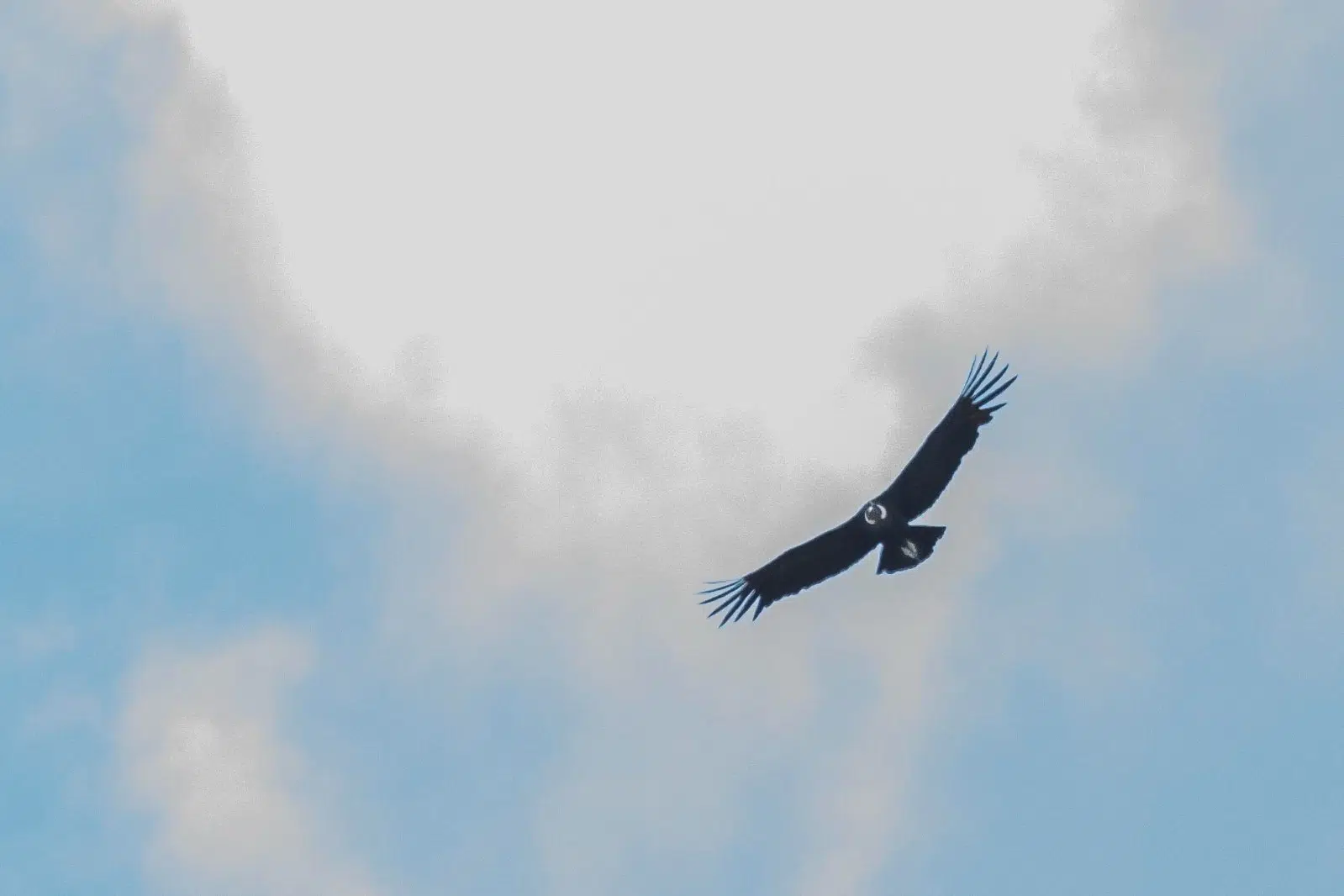
Ecological and Cultural Importance of the Andean Condor
The Andean condor is considered a natural monument in San Luis and plays a vital role in ecological balance:
- Environmental cleaning: as a scavenger bird, it feeds on dead animals, preventing the spread of diseases like anthrax or botulism.
- Ecosystem balance: it regulates populations and maintains the health of mountainous environments.
- Cultural identity: an ancestral symbol of strength and freedom in the Andean worldview, linking nature, sky, and humans.
- Legal protection: its conservation is guaranteed by provincial laws due to human threats (poison, hunting).
San Luis is part of the Condor Sanctuary Network (SCCN) and develops rescue, rehabilitation, and monitoring actions to protect this “guardian of the Andes.”
Highlighted Observation Posts
Among the surveyed sites are:
- Peñón del Valle de Pancanta
- Reserva Florofaunística de La Florida
- Parque Nacional Sierra de las Quijadas
- Quebrada de los Cóndores in Potrero de los Funes
- Ramsar Site Lagunas de Guanacache, Bebedero, and Desaguadero
- Área Natural Protegida Bajo de Véliz
- Cerro El Morro
- Papagayos
The diversity of points reflects the breadth of the mountainous territory and the importance of monitoring different natural environments.
The III Simultaneous Census of the Andean Condor in San Luis was a resounding success, not only due to the number of specimens recorded but also for strengthening social and scientific commitment to the conservation of this emblematic species.
The information obtained will allow for designing more precise strategies to protect the condor and ensure its essential role in mountain ecosystems.



