



In various tropical forests of South America, a disturbing phenomenon has been recorded for more than a decade: the birdsong is heard less and less. Researchers have detected this trend in regions of Brazil, Ecuador, Panama, and Peru, even in areas that do not show deforestation.
The decline affects both resident species and migratory birds. This fact is particularly striking because the latter do not face direct threats during their travel routes, suggesting that the problem originates within the tropical ecosystems themselves.
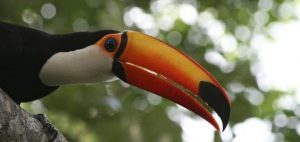
Among the species whose presence has notably decreased are the musician wren, the blue-crowned manakin, and the white-throated toucan. For decades, these birds were common in various forests of the region.
The loss of these natural sounds has become an indicator of ecological deterioration. For scientists, the growing silence of the forest reflects profound changes in tropical biodiversity. Consequently, researchers and environmental organizations have intensified studies to understand the causes of this transformation.

Scientific evidence in different countries of the region
The first signs of the reduction of birds were recorded in research initiated during the 1980s. One of the most important studies was developed in Brazil, within the Biological Dynamics Project of Forest Fragments in Manaus.
There, it was found that the number of birds decreased considerably over time. Additionally, the specimens captured for research showed lower body weight, a possible sign of feeding problems.
Similar situations were detected in Panama, particularly in the Soberanía National Park. In that area, a reduction of approximately 70% of the fifty-seven species analyzed was recorded. At the same time, nine of those species almost completely disappeared from the study area.
In Peru, researchers identified a general trend of decline, although in a small area of the Madre de Dios River, the number of birds remained relatively stable for five decades. These results show that the phenomenon manifests irregularly in the tropical forests.
The importance of birds in tropical forests
Birds perform essential ecological functions within tropical forests. One of the most important is seed dispersal, a process that allows the natural regeneration of vegetation.
When birds consume fruits and then transport the seeds to other areas, they facilitate the growth of new trees and plants. This mechanism is key for the renewal of forest ecosystems.
Additionally, many bird species participate in the pollination of tropical flowers. In this way, they contribute to the reproductive cycle of numerous plants. Insectivorous birds also play a fundamental role in controlling insect populations. By feeding on them, they help maintain the ecological balance within the forest.
For these reasons, the decline of birds can trigger chain effects that affect the stability of tropical ecosystems.
Climate change and environmental alterations in the forest
Scientists consider that climate change could be one of the main factors behind this decline. In recent decades, temperature increases of about one degree and changes in rainfall patterns have been recorded.
These changes include prolonged drought periods combined with intense rains. These conditions alter the availability of insects and fruits that are part of the diet of many birds.
In some forests of Panama, for example, dry seasons have become longer and hotter. This situation hinders the reproductive processes of various species. In Ecuador, on the other hand, excessive rainfall seems to reduce the abundance of insects. This limits the food sources available for insectivorous birds.
In response to this scenario, researchers are developing experiments to better understand the phenomenon. One of them, conducted in Manaus, artificially recreated humidity conditions similar to those of the 1980s.
The first results suggest that water availability and humidity directly influence the health and feeding of birds. Although research continues, scientists warn that the decline of birds could deeply affect the ability of tropical forests to regenerate and maintain their biodiversity.



