



A serious accusation in South Africa exposes a scourge that the country has been experiencing for decades: the trafficking of rhinoceros horns. Six people would be part of an international network, and one of them is a renowned breeder.
It is also a case that exposes the magnitude of organized crime linked to the poaching of endangered species.
The main accused is John Hume, 83 years old, owner of Rhinos of Buffalo Dream Ranch, one of the private reserves with the largest population of these specimens in the world.
Serious accusation in South Africa for rhinoceros horn trafficking: details of the case
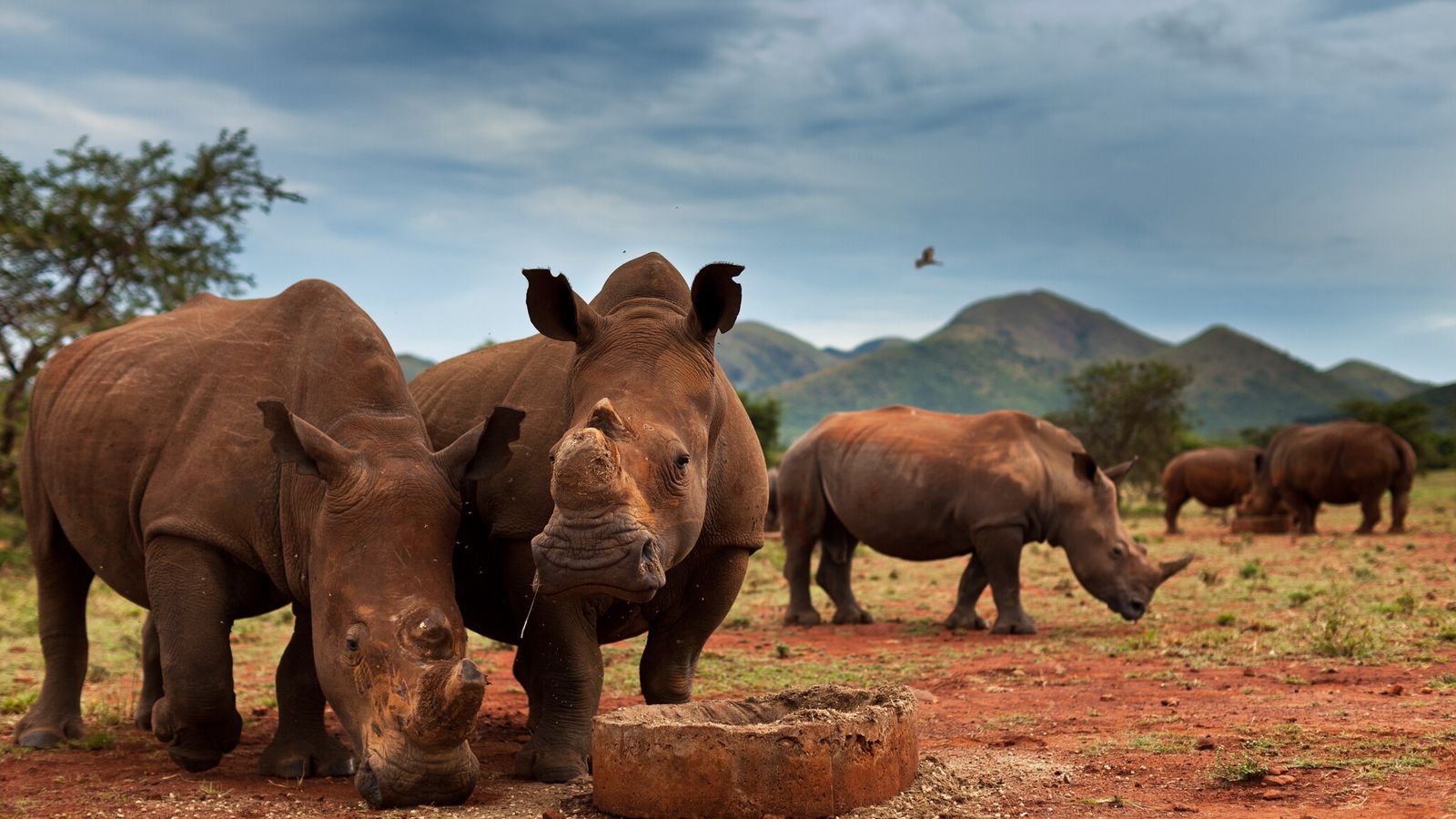 Rhinoceros, endangered species.
According to prosecutors, Hume and five other people were involved in an operation that included 964 rhinoceros horns, valued at over 14 million dollars.
The Pretoria Magistrates’ Court granted Hume bail of $5,000, requiring him to surrender his passport while the judicial process continues. The next hearing was set for December 9th.
The National Prosecuting Authority explained that, after a seven-year investigation, it was found that the suspects obtained permits under false pretenses to trade rhinoceros horns in the domestic market. Meanwhile, they diverted them to illegal markets in Southeast Asia.
In total, the six accused, including a lawyer, an insurance broker, and a game reserve manager, face 55 charges. These include organized crime, fraud, theft, and money laundering.
Endangered Rhinoceros
In South Africa, domestic trade of rhinoceros horns is allowed with official permits, but international trade is prohibited by the Convention on International Trade in Endangered Species (CITES).
Hume came to care for over 1600 animals, including over 1000 bred on his private ranch. However, authorities emphasized that this case represents one of the largest illegal networks detected around these animals.
South Africa’s Minister of Environment, Dion George, commented on the judicial process. “It is a clear demonstration of the country’s determination to protect its natural heritage from organized crime.”
The country is home to the largest population of rhinoceroses on the planet, with between 16,000 and 18,000 individuals, both white and black rhinoceroses, with the latter being critically endangered.
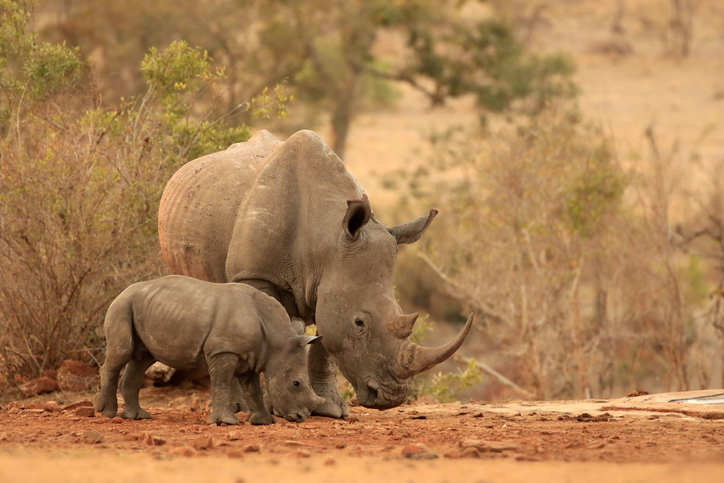 The critical situation of rhinoceroses in South Africa.
However, the government acknowledged that the fight against poaching remains a huge challenge. Between January and March of this year, 103 rhinoceros deaths were recorded in different reserves in the country.
The myth of rhinoceros horns and conservation efforts
One of the main drivers of illegal trafficking is the misguided belief in the healing properties of rhinoceros horns, promoted by sectors of traditional Chinese traditional medicine.
However, it is scientifically proven that the horn is composed of keratin, the same protein found in nails and human hair. But it has no therapeutic value.
Despite this evidence, rhinoceroses continue to die due to the demand for a product with no medical efficacy.
Between 2021 and 2023, there were over 750 seizures of rhinoceros horns worldwide, with a total estimated weight of 1.8 tons, equivalent to 716 complete horns.
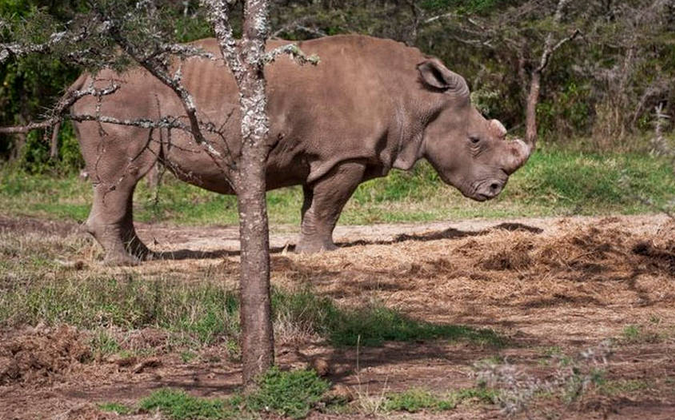 Poaching, main threat.
According to a joint report by IUCN and TRAFFIC, South Africa accounted for 66% of the total confiscated weight, with shipments mainly directed to Malaysia and Vietnam.



