



In 2025, Tanzania became the first country in East Africa to obtain official approval of its National Rabies Control Plan from the World Organization for Animal Health (OIE).
This recognition marks a historic milestone in the fight against a disease that still causes 1,500 human deaths per year, mainly from dog bites.
A strategic plan with an eradication vision
The goal is to eliminate canine rabies transmission within five years through integrated actions.
The plan, led by the Veterinary Services of Tanzania under the direction of Dr. Benezeth Lutege Malinda, was developed after three years of strategic planning. It brought together local authorities, health professionals, NGOs, community leaders, and the private sector in a common strategy to interrupt the animal-human transmission cycle.
“We want Tanzania to be among the rabies-free countries by 2030,” Dr. Malinda stated.
Canine management and community education
Responsible ownership, sterilization, and educational campaigns as prevention pillars.
The strategy includes:
- Population control of dogs
- Access to veterinary care and vaccination
- Community awareness on prevention and animal care
These actions aim to reduce human cases to almost zero, addressing rabies from its zoonotic origin.
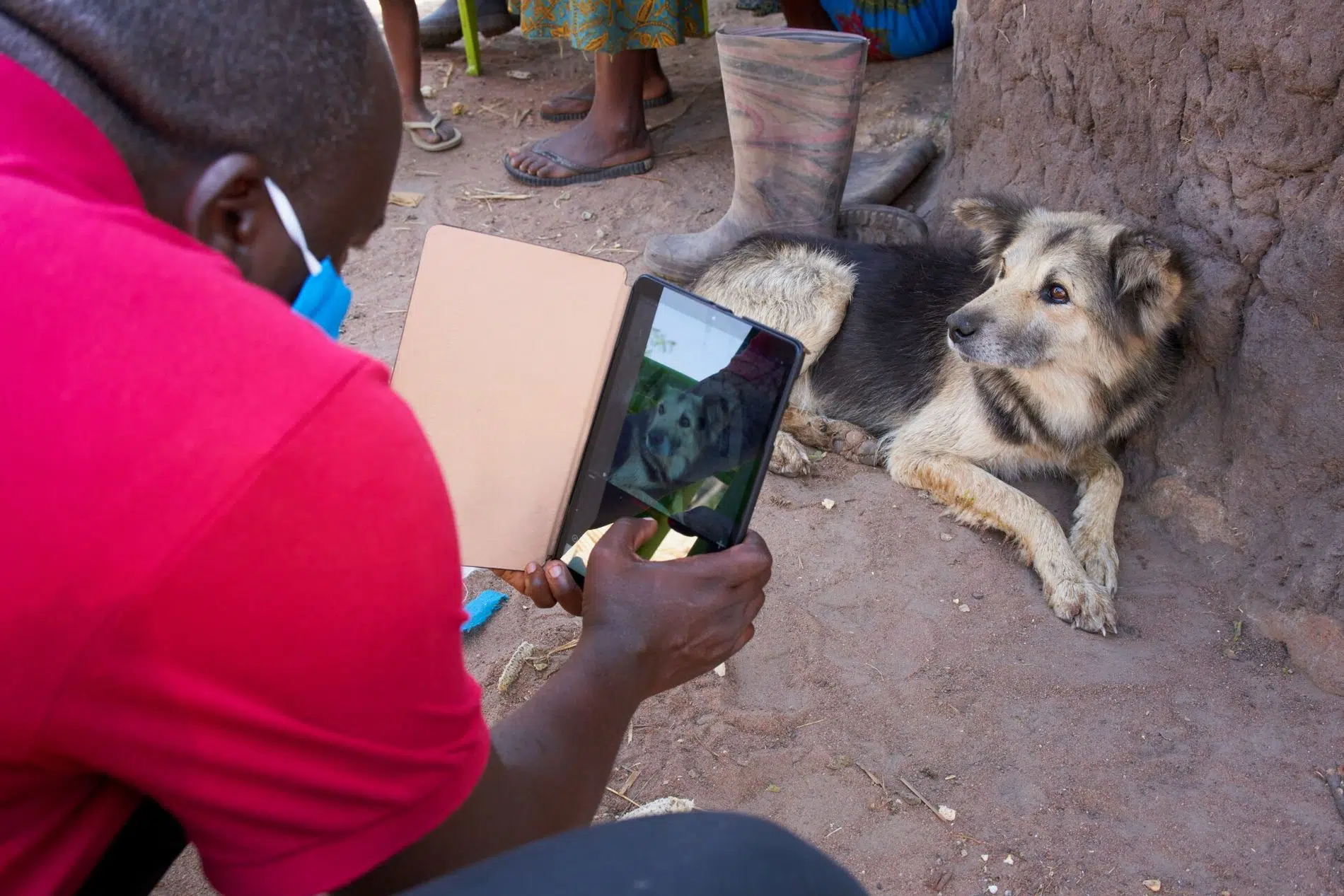
Public-private partnerships and international cooperation
The private sector complements state action and finances key activities in the field.
The establishment of the Tanzania Animal Health Organization (TAHO) allowed efforts to be coordinated between the government and regional companies. The private sector finances vaccination, sterilization, and awareness campaigns, coordinated through a national portal.
“The government does not always reach the grassroots, but the private sector does,” highlighted Dr. Malinda.
Infrastructure and epidemiological surveillance
Storage and monitoring facilities allow rapid responses to outbreaks.
Tanzania has invested in vaccine storage facilities —donated or acquired— to act in emergency situations. In addition, epidemiological surveillance allows for the detection of high-risk areas and deployment of targeted actions.
A replicable model for other zoonotic diseases
Success in controlling bovine plague inspires new health goals.
Tanzania has already achieved eradication of bovine plague with the support of the OIE, and is now preparing to tackle small ruminant plague (PPR).
The accumulated experience strengthens its institutional capacity and generates international confidence.
Call to regional action
Official approval drives new partnerships, investments, and policy changes.
“I advise my colleagues: prepare your dossier. It’s not easy, but it’s worth it,” expressed Dr. Malinda.
The certification from OIE motivates professionals, governments, and global partners, positioning Tanzania as an example of health leadership in Africa.



