



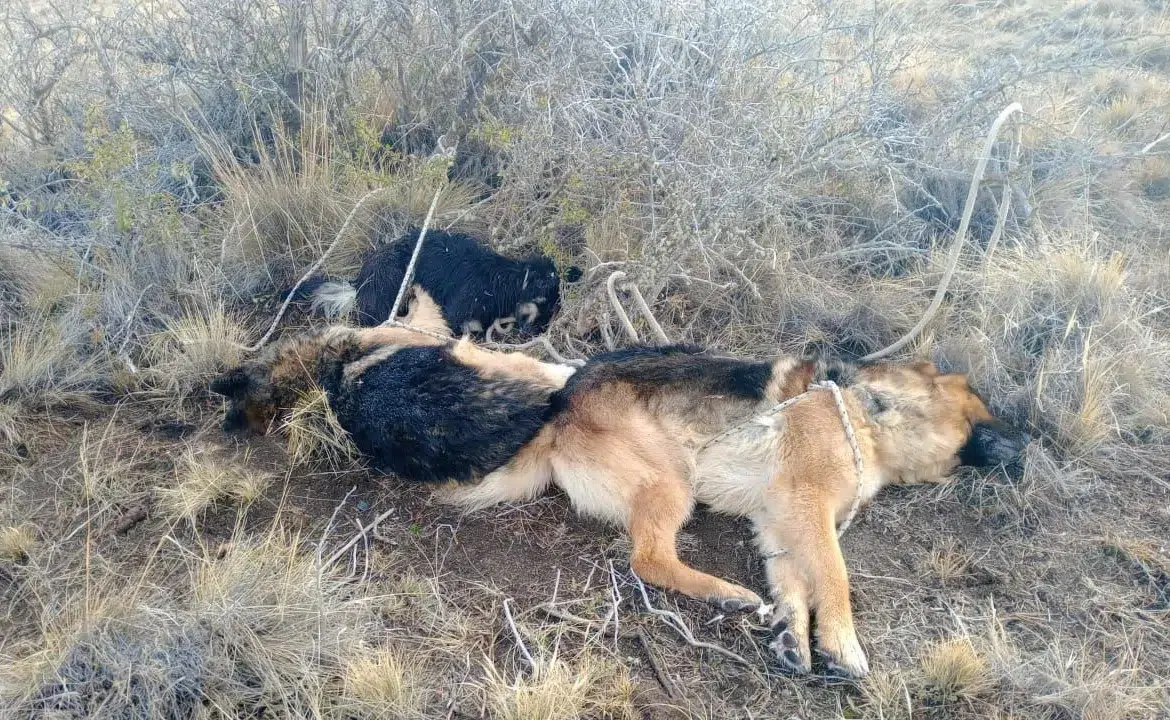
A new episode of violence towards animals caused shock in El Calafate, Santa Cruz. In an open field in the west area, a neighbor found three dogs tied up with ropes and shot dead. The impact of the scene quickly spread through social networks and provoked strong repudiation from neighbors and animal protection organizations.
The discovery was made when the man, who was walking his own dogs, came across the lifeless bodies. Despite the lack of a formal complaint, the police initiated an investigation ex officio upon learning of the incident.
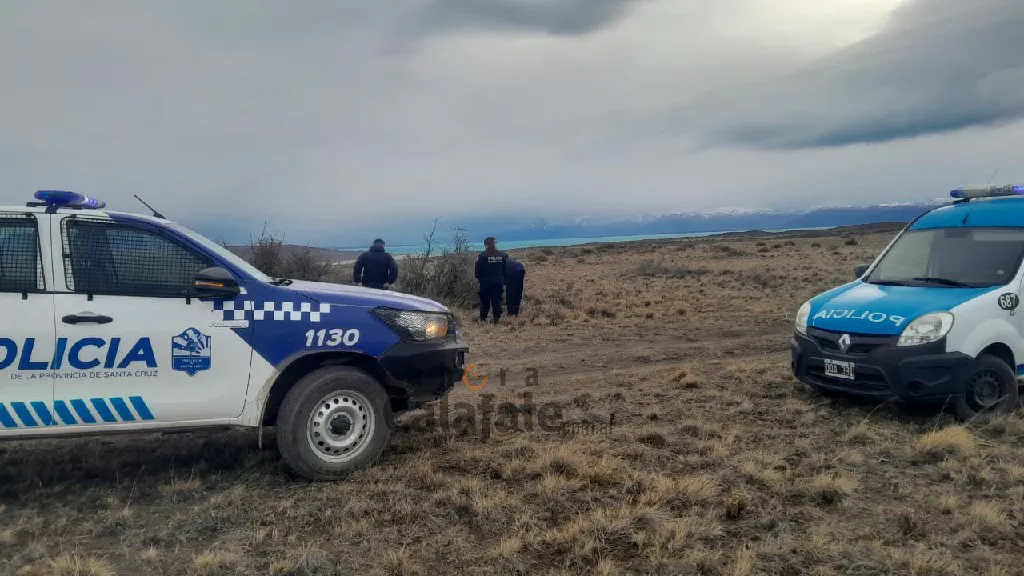
Upon arriving at the scene, personnel from the Second Police Station and the Criminalistics unit found traces of blood, drag marks, and other evidence. Although the bodies had already been removed, a neighbor reported having seen a suspicious van in the area before the discovery.
The group Urban Fauna Welfare denounced the seriousness of this act and regretted that such events continue to occur without a firm response from institutions. They consider that these practices reflect a social regression and a lack of empathy towards living beings.
An existing law and poorly applied penalties
In Argentina, abuse and cruelty towards animals are punishable under Animal Protection Law 14.346, in force since 1954. This law considers any act involving suffering or unnecessary death of domestic animals or in captivity as a crime.
The law provides for penalties ranging from 15 days to one year in prison for those who mistreat or kill animals. Although the legislation exists, effective enforcement and convictions are rare, creating a sense of impunity.
Currently, in Congress, projects are being discussed to toughen penalties, increase financial fines, and add complementary sanctions, such as disqualification from owning or working with animals. However, the lack of legislative progress remains an obstacle.
 Three dogs murdered demonstrate animal abuse in Calafate. Photo: Now Calafate.
Animal respect as a social reflection
Beyond the outrage, local organizations emphasize the importance of education and social awareness to reverse these acts. Volunteers provide talks on animal rights and respect for life in schools and kindergartens.
They believe that instilling values of empathy in the new generations is key to building a fairer and more respectful society. They also emphasize the need to strengthen complaints and for authorities to take an active role in animal protection.
From Urban Fauna Welfare, they insist that respect for animals is an indicator of the human quality of a community. Faced with events like this, they argue that the joint action of citizens and institutions is the only way to stop cruelty and achieve justice.


