



For decades, the big brands in the **dairy industry** have built an advertising image of **happy cows, free and grazing under the sun**, in a natural animal cycle without suffering or abuse.
This narrative, repeated on packaging and campaigns, aims to **hide the true cost of milk production** and to **maximize economic benefits**. But behind that postcard, the reality is very different.
Separation of Mother and Calf: Broken Bonds from Birth
The dairy industry prioritizes the extraction of milk for human consumption, ignoring the **emotional bond between cows and calves**.
One of the most criticized practices is the **immediate separation of calves**. As soon as they are born, the calves are isolated so that the mother’s milk is destined for the market.
Research by **Animal Equality** documents how **mothers and calves call and search for each other for days**, expressing an emotional connection that the production system systematically interrupts.
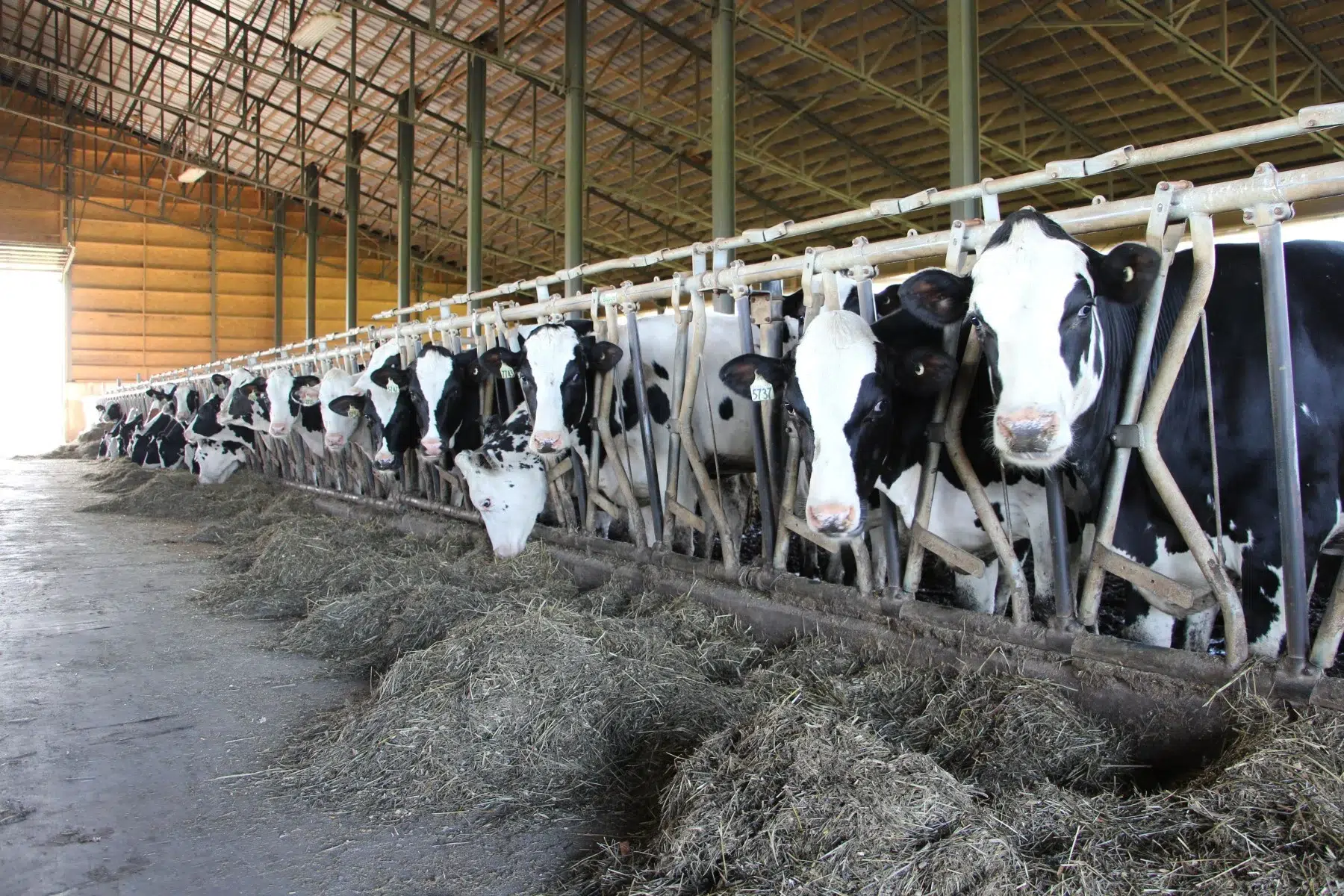 Behind the scenes of the dairy industry and its treatment of cows[/caption>
Forced Cycles and Final Destination
Cows are inseminated repeatedly until their bodies are exhausted and then sent to the slaughterhouse.
The category of “dairy cow” is not natural: **cows produce milk because they are mothers**, and for this, they must be **artificially inseminated over and over again**.
When their body can no longer withstand the production rate, they are considered “worn out” and **sent to the slaughterhouse**. The **male calves**, who do not produce milk, are directly destined for the **meat industry**.
Health Problems and Housing Conditions
**High production, limited space, and chronic stress deteriorate the cows’ quality of life**.
- Lameness: caused by hard floors and lack of mobility
- Mastitis: painful udder infection, very common in high-production cows
- Metabolic problems: such as milk fever and ketosis, resulting from postpartum efforts
- Chronic stress: affects the immune system and overall health
- Confinement: limits rest, causes injuries, and restricts natural behaviors
Despite having a life expectancy of **20 years**, most dairy cows **die at five years old**, when their bodies can no longer sustain the production rate.
What Can We Do as Consumers?
**Getting informed, choosing consciously, and exploring alternatives are steps towards a fairer system**.
- Look for products with animal welfare certifications
- Switch to plant-based milks like oat, almond, or soy
- Support organic and responsible practices
- Reflect on the impact of our dietary choices
Information is power. Knowing the reality behind the dairy industry allows us to make more ethical decisions and build a more compassionate food system.



