



The dramatic rescue of an Andean condor in the mountains of Córdoba once again raises alarms about the fragile situation of this emblematic species.
This week, the discovery of an adult female in the area of Bajo de los Corrales, in Salsacate, with a wound from pellets in her wing, quickly mobilized the Volunteer Firefighters and the Environmental Police. The intervention was key to save her life.
This event is not an isolated case, but a reflection of the serious threats facing the largest bird in Latin America throughout the country.
The case adds to the recent death of another specimen of the species in Río Negro after consuming a bait with illegal poison.
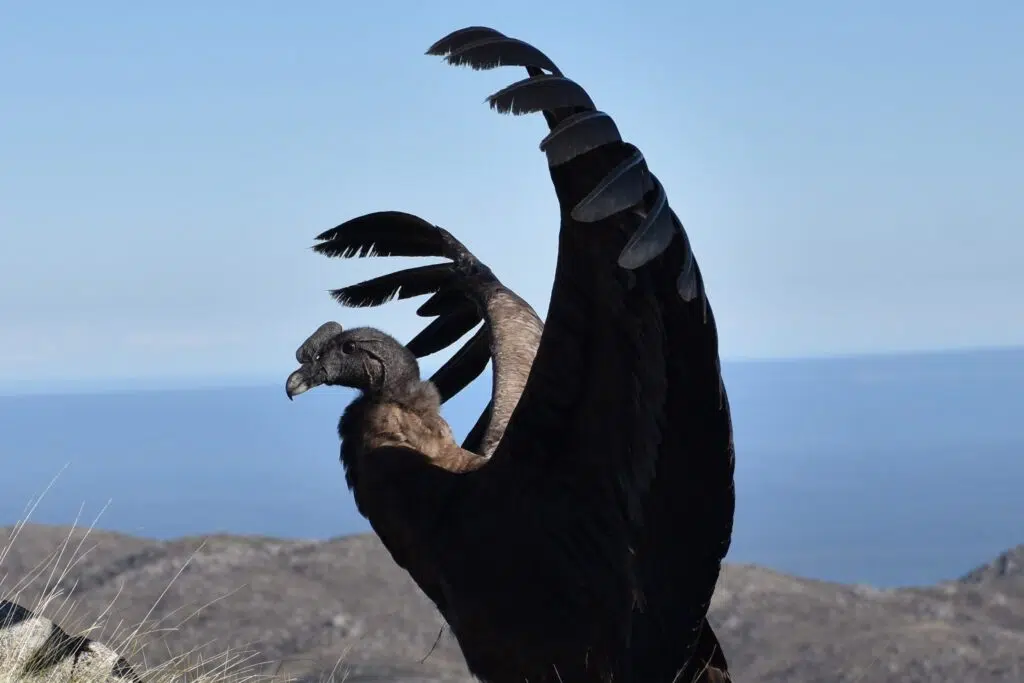
How was the rescue of the Andean condor in Córdoba
The Andean condor rescued in Córdoba was found in the area of Bajo de los Corrales with a visible injury on its right wing.
Its inability to fly alerted those who found it and triggered the emergency protocol.
The bird was immediately transported to the Tatú Carreta reserve. Specialists confirmed that it was an adult female weighing approximately eight kilos, a biologically valuable specimen for its species.
Adrián Rinaudo, Secretary of Environmental Police, detailed the procedure: “Our inspectors transported her to Tatú Carreta, where specialists examined her and provided the necessary primary care. Once stabilized, further studies will be conducted.”
The initial veterinary diagnosis ruled out fractures, but revealed an even more concerning cause.
As veterinarian María Ahumada explained, the bird showed “small ammunition pellets that did not break bones, but damaged muscles.”
Therefore, specialists expect a “prolonged recovery”.
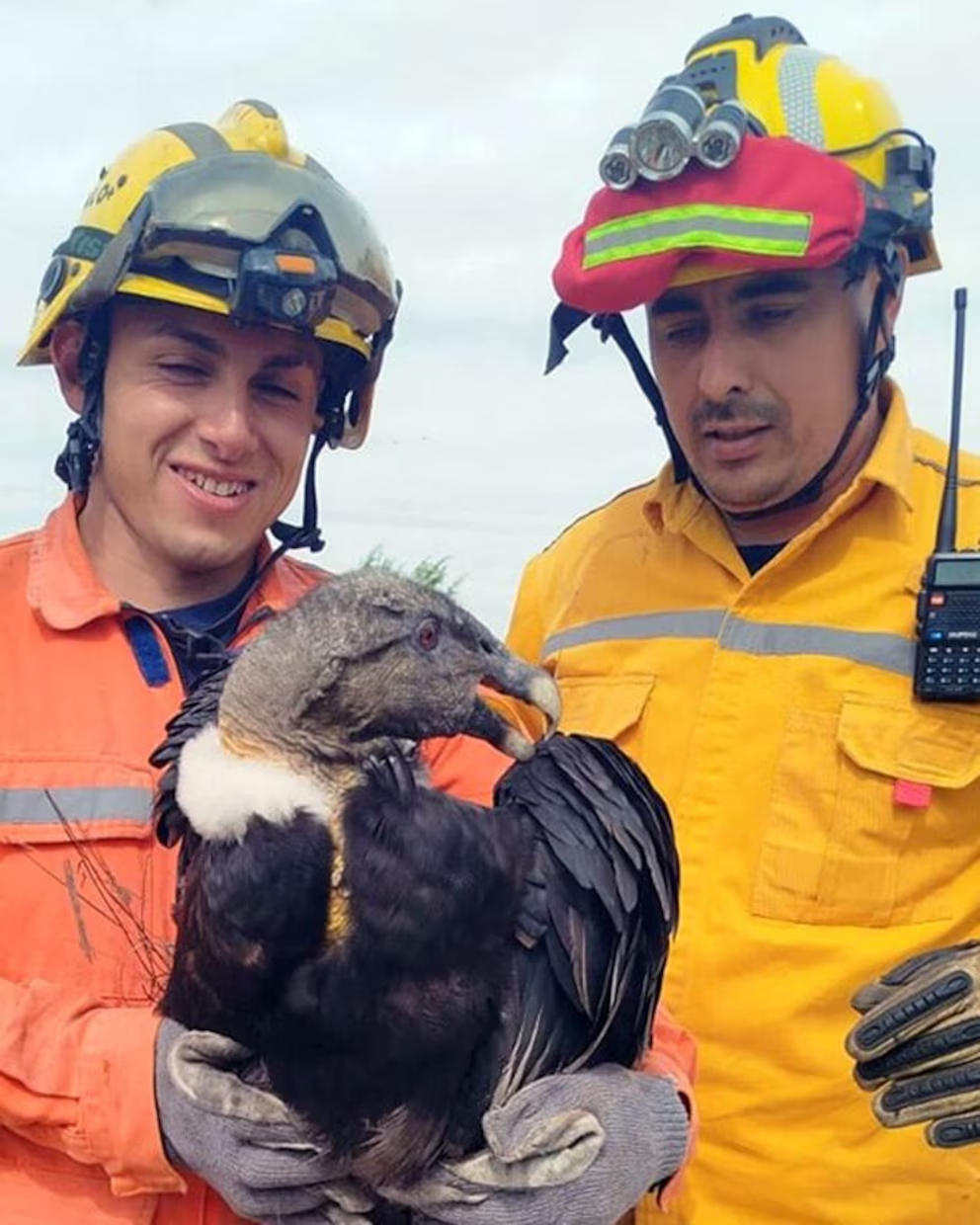
This deliberate attack is not an isolated incident, but a symptom of the legal and ecological precarious situation facing the Andean condor.
The rescue operation highlights the importance of citizen collaboration and the response of authorities to protect wildlife.
The Andean condor, in constant threat
Understanding the conservation status of the Andean condor is crucial. Each injured or deceased individual represents a significant impact for a population struggling to remain stable.
The species was declared a “natural monument” in the province of Córdoba and is now officially listed in the conservation category “Threatened”.
This classification is a critical warning. It implies that the species is one step away from being considered “Endangered” if the pressures affecting it are not reversed in time.
Hunting and habitat destruction are two of the direct factors fueling this constant risk, pushing the species towards extinction.



