



Santa Fe made a drastic decision: it will suspend the collection of river fish for export for a full year.
The measure, which begins on December 3, aims to halt the pressure on endangered species of the Paraná River.
However, it has already generated protests among local fishermen.
Santa Fe suspends fish export to protect the sábalo
The resolution responds to a critical environmental context evidenced by the Ebipes Project, which integrates the Nation, provinces, universities, and the Naval Prefecture.
Studies reveal alarming data: only six out of every 100 sábalo specimens are capable of reproducing.
“This data is concerning, as the sábalo is the base of the food chain of the Paraná River“, warned the Santa Fe government in its official statement.
Furthermore, it is also “one of the main species destined for internal consumption and export“.

Therefore, the Santa Fe government decided on this suspension with the aim of “reducing the extractive pressure to ensure its sustainability”.
“The scientific evidence is compelling,” emphasized the Minister of Environment and Climate Change of the jurisdiction, Enrique Estévez, in this regard.
The prohibition affects species caught in the Paraná River and its tributaries.
However, it should be noted that it does not prevent artisanal fishing or local consumption.
It also does not affect the sale of fish from fish farms, only river species destined for export.
With this measure, Santa Fe claims to seek to organize the activity and conserve the fish of the Paraná.
According to the provincial government, this measure will help ensure that fishing, on which hundreds of families depend, can continue in a sustainable manner.
“The measure will not affect local consumption or the export of farmed fish,” emphasized Estévez.
And he reinforced: “We seek to preserve biodiversity and guarantee the future of the fishing activity”.
Surubí ban and historic low water levels worsen the outlook
Simultaneously, from November 1, a total ban is in place for the commercial and sport fishing of the painted and striped surubí, which will extend until December 31, 2025.
Experts consulted pointed out that the critical situation arises from multiple factors:
- the prolonged low water levels of the Paraná River;
- the low temperatures, and;
- the intense fishing pressure.
“The current levels of the river cause a disconnection between the river and the spawning lagoons, which hinders natural reproduction,” they explained.
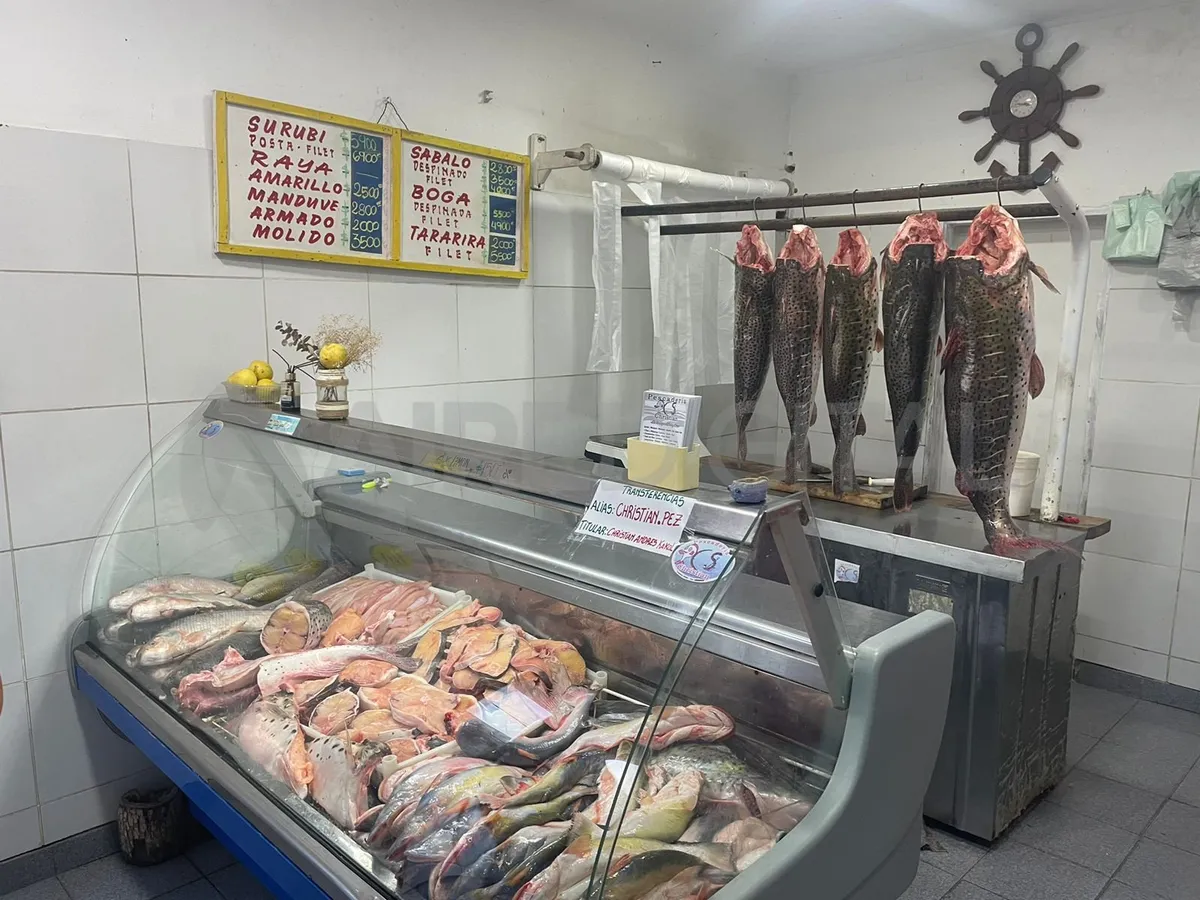
This is compounded by the capture of adult specimens, the only ones with reproductive capacity.
The sábalo, which feeds on sediments and organic matter from the bottom, is essential food for species like the dorado and the surubí.
Its decline impacts not only the ecosystem but also the regional economy.
Independent fishermen reject the measure
Despite the measure’s aim to protect the environment and production, the reaction from fishermen was swift.
River workers carried out intermittent roadblocks on National Route 168, which connects Santa Fe with Paraná, at the height of the Fuente de la Cordialidad.
Jesús Pérez, president of the Santa Fe Fishermen’s Association, questioned the effectiveness of the measure in a conversation with LA NACION.
“[The provincial government’s decision] does not harm companies, because they can continue collecting fish in Paraná or bring it from Buenos Aires,” he criticized.
“75% of fishermen supply cold storage plants, while the remaining 25% sell to the internal market, which is currently collapsed and without sales,” Pérez justified.
The fishermen demand a return to provincial law 12.212, which allows for resource conservation three months a year.
“We want to protect the resource, but also protect the families of river workers,” he insisted.



