



The road authorities reiterated the importance of transporting animals safely inside vehicles. The goal is to prevent accidents and protect both pets and car occupants.
According to official recommendations, dogs and other domestic animals should travel inside the vehicle’s cabin. Additionally, it is suggested to place them in the back seat to reduce risks during a sudden stop or collision.
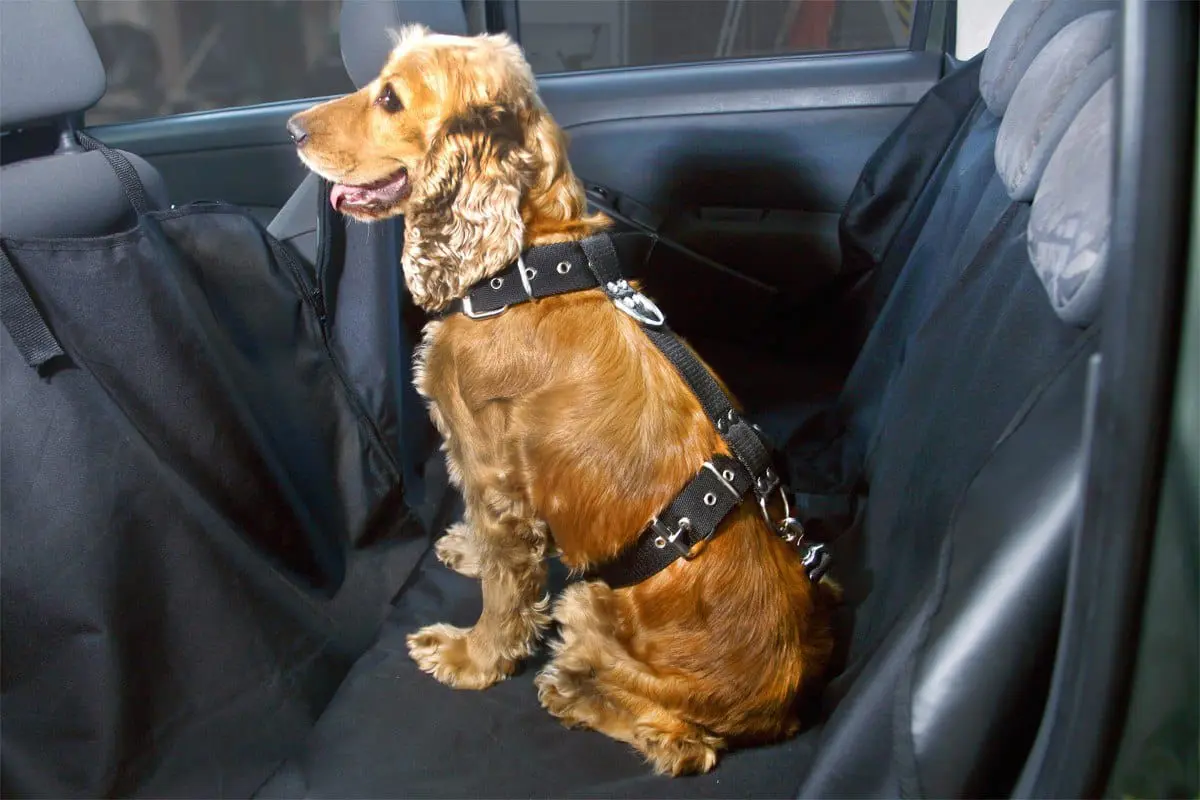
To ensure their safety, it is also necessary to use appropriate restraint systems. Special harnesses for vehicles or carriers designed for travel help prevent sudden movements during the journey.
These measures not only protect animals but also help prevent driver distractions. In this way, responsible transportation becomes a key tool to improve road safety.
Risks of transporting loose animals or outside the vehicle
Transporting pets without restraint inside the car poses a significant risk. In the event of sudden stops or crashes, the animal can be forcefully ejected and cause serious injuries.
Specialists warn that the weight of an object or living being increases considerably during an impact due to speed. For this reason, even a medium-sized animal can become a dangerous element inside the vehicle.
Additionally, allowing animals to move freely inside the car can interfere with driving. An unexpected movement can distract the driver or impede vehicle control.
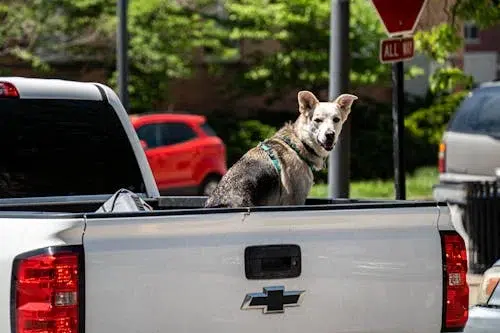
On the other hand, transporting dogs in the bed of trucks or in external structures poses an even greater risk. In these conditions, the animal can fall from the vehicle or suffer serious injuries during the trip. Due to these dangers, traffic regulations prohibit the transport of animals in external parts of the vehicle that compromise safety.
Everyday practices that can be considered animal abuse
Many behaviors observed daily can be considered forms of animal abuse. Although some people perceive them as common, they involve serious risks to the physical integrity of pets.
One of the most frequent practices is transporting loose dogs in the bed of trucks. This situation exposes them to falls, impacts against the vehicle, or injuries caused by sudden stops.
It is also considered a dangerous behavior to transport animals in external cages or tied to external structures of the vehicle. These conditions increase the risk of trauma and stress.
Another questioned practice is allowing pets to travel loose inside the car without any restraint system. In case of an accident, this situation can cause harm to both the animal and vehicle occupants. For these reasons, more and more organizations and specialists promote responsible transportation as part of animal welfare.
Regulations and awareness to prevent accidents
The traffic legislation establishes rules aimed at avoiding dangerous situations on public roads. Among them is the prohibition of transporting items that protrude from the vehicle or compromise the safety of the transport.
In this context, authorities insist that pets must travel inside the car with appropriate restraint systems. These measures allow for a significant reduction in the risk of accidents.
Additionally, awareness campaigns aim to change habits that have been considered normal for years. The goal is to promote practices that prioritize the care of animals.
More and more specialists agree that animal welfare is also part of road safety. Therefore, adopting responsible measures during transportation not only protects pets but also contributes to safer circulation for everyone.


