



The keeping of wild birds in private homes remains a deeply rooted custom in many Argentine households. However, experts warn that it is an illegal and dangerous practice, with direct impacts on public health, animal welfare, and biodiversity conservation.
Veterinarian Aldo “Pirata” Olivares, head of Veterinaria El Arca, explained to the Diario Huarpe portal that keeping game or native birds outside their natural environment is prohibited by law and poses a health and environmental risk.
Most Affected Species
Among the native birds that are often illegally captured and traded are:
- Cardinals, goldfinches, blue-black grassquits, forest kings, thrushes, and cowbirds.
- Chaco parrots and Tucuman magpies, from other regions of the country, also appear in the informal market.
Olivares clarified that not all birds are prohibited: species such as canaries, diamond doves, calafates, and budgerigars, from authorized breeders, can be legally kept in homes, as they are not taken from wildlife.
Health Risks
Wild birds captured directly from nature lack veterinary controls and may carry parasites and bacterial diseases transmissible to humans.
- One of the most common is psittacosis, present in parrots and parakeets, which can cause severe respiratory conditions in humans.
- Many of these diseases are zoonotic, meaning they are transmitted from animals to humans, and can become seriously complicated if not detected in time.
Therefore, Olivares emphasized the importance of acquiring birds only from authorized breeders, with official documentation from the Environment Secretariat certifying their legal origin and health status.
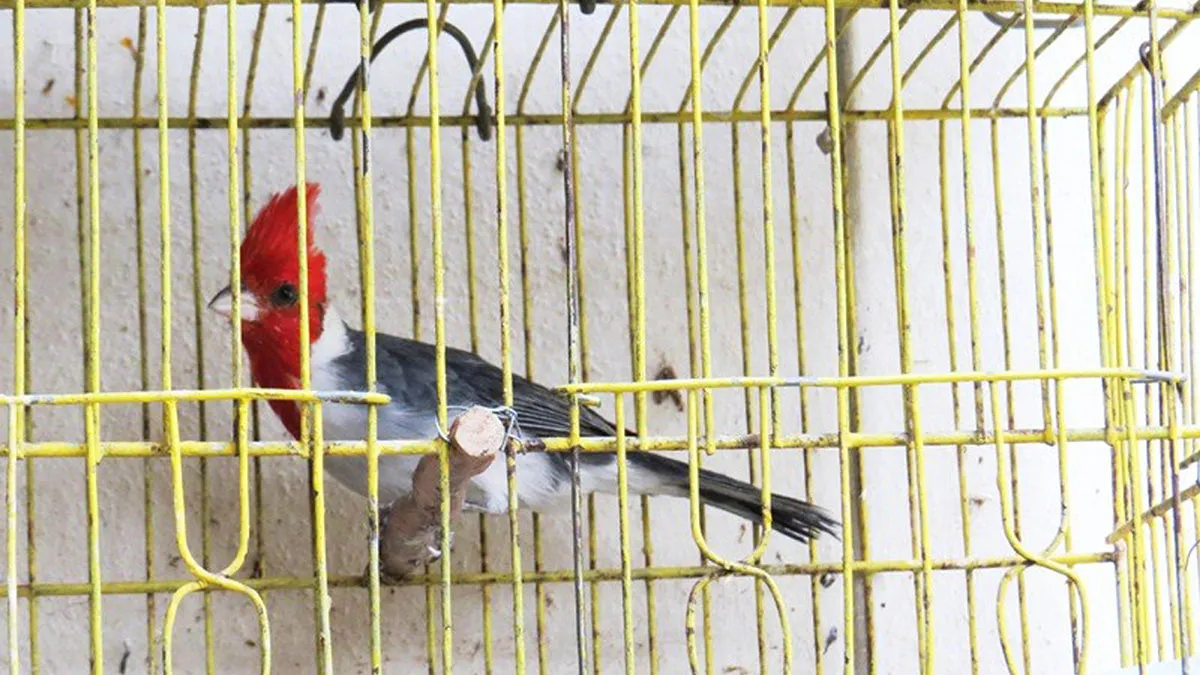
Animal Welfare and Responsibility
The specialist also highlighted that a bird in captivity is entirely dependent on the person who keeps it. Factors such as feeding, temperature, sun exposure, space, and diet are crucial for its health. Without proper guidance, it is easy to make mistakes that lead to illness or death.
Moreover, many people are unaware that some birds can live ten years or more, which implies a long-term commitment.
Legal Framework in Argentina
The keeping, capture, and trade of wild birds are regulated by the National Law No. 22.421 on Fauna Conservation, which expressly prohibits these practices without authorization.
- Law 22.421: prohibits the keeping, transit, trade, and capture of wildlife.
- Law 14.346 (Animal Cruelty): punishes acts of cruelty, including captivity in inadequate conditions.
- Penalties: keeping wild birds caged can result in prison sentences (15 days to 1 year) and fines.
- Provincial regulations, such as Law 4.841 in Entre Ríos, reinforce the protection of native fauna.
The capture and keeping of wild birds is not only a crime but also threatens biodiversity, public health, and animal welfare. The key lies in responsible ownership, which begins by respecting the law and always opting for breeder animals.



