



A control operation carried out by National Gendarmerie in the province of Formosa led to the rescue of a red-footed tortoise that was illegally transported inside a metal pot on a long-distance bus.
The procedure took place on National Route No. 11, at kilometer 1286, when officers from Squadron 16 of Clorinda stopped a public transport to carry out preventive inspections related to wildlife trafficking and other environmental crimes.
During the search, the officers detected suspicious movements from a passenger trying to hide a metal container under her seat. Upon opening the pot, they discovered inside a live specimen of a red-footed tortoise, also known as yabotí.

A protected species threatened by illegal trade
The transport of the animal constitutes a violation of provincial laws No. 1060 and 1314, regulations aimed at protecting wildlife and preventing the illegal extraction of native species.
Additionally, the red-footed tortoise is classified as a threatened species by the International Union for Conservation of Nature, mainly due to habitat loss and illegal trafficking for pet trade and commercialization.
Following the discovery, the specimen was safeguarded and later handed over to the Ministry of Production and Environment of the Directorate of Natural Resources and Management of Formosa, the agency responsible for assessing its health status and determining the steps for its recovery.
Meanwhile, environmental specialists warn that clandestine wildlife trade continues to be one of the most difficult ecological crimes to control in different regions of the country, especially in border areas.
What is the red-footed tortoise like?
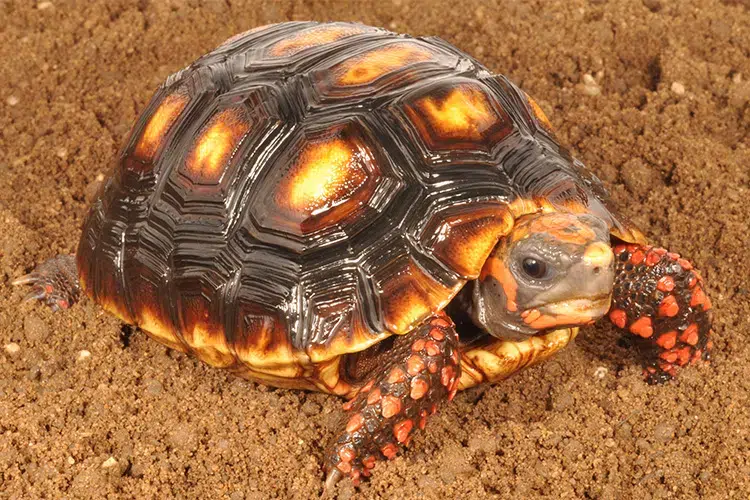
The yabotí tortoise is considered the largest terrestrial tortoise in Argentina. It can reach between 50 and 60 centimeters in length and has a dark shell with brown or yellow spots that make it easy to identify.
It also has black legs with distinctive reddish or orange spots, a feature that gives it its popular name. The head also displays yellow, orange, and red tones that contrast with the rest of its body.
In the wild, it can exceed 14 kilograms, although in captivity some specimens have reached greater weights. Additionally, it has a life expectancy of over 50 years, making it a slow-growing species and especially vulnerable to illegal extraction.
The males tend to be larger than the females and exhibit physical differences in the shape of the shell and tail, a phenomenon known as sexual dimorphism.
The ecological value of a key species for forests
The red-footed tortoise plays a fundamental role within the tropical and subtropical ecosystems of South America. Its diet based on fruits, seeds, flowers, and small invertebrates makes it an important seed disperser within the forests.
Thanks to this behavior, it contributes to the vegetative regeneration and maintenance of biodiversity in natural environments of Argentina, Paraguay, and other regions of the continent.
However, habitat destruction, forest fires, and illegal trafficking have significantly reduced their populations over the past decades. Most specimens are captured to be sold as exotic pets, despite requiring very specific environmental conditions to survive.
For this reason, environmental organizations and state agencies insist on strengthening controls over the illegal wildlife trade and promoting awareness campaigns that discourage the keeping of wild animals in homes.



