



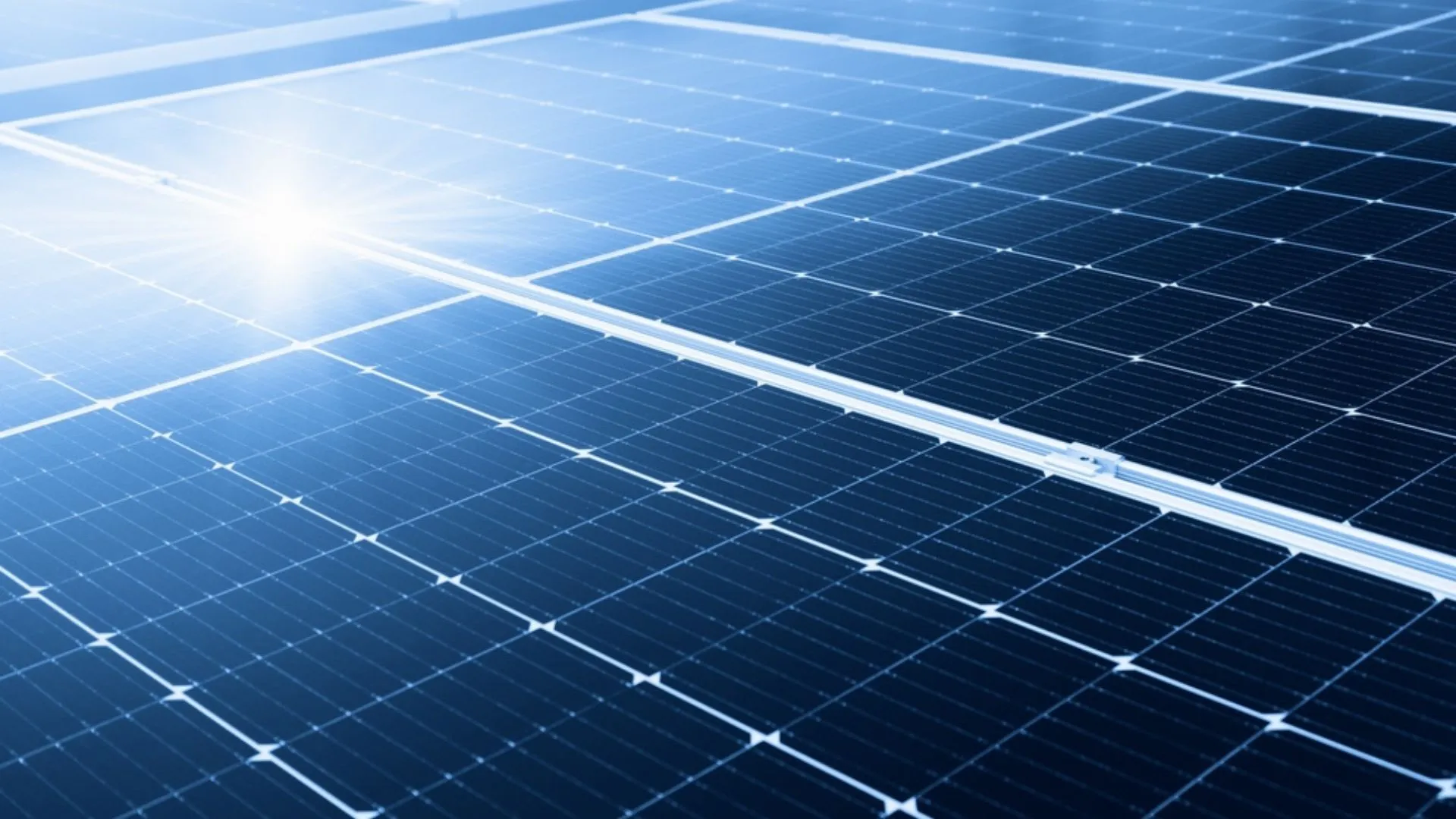
Cuba is moving towards an unprecedented energy transformation through the construction of large-scale solar parks. In this context, an ambitious plan driven by Chinese financing allowed for the installation of 75 out of the 90 planned projects.
Furthermore, this expansion increased the photovoltaic generation from 5.8% to 20% of the national total in just one year. Therefore, the island is accelerating its transition to renewable sources.
Additionally, the development aims to reduce the historical dependence on imported fossil fuels. Consequently, it positions itself as a key strategy in the face of the global energy crisis.
Solar Infrastructure and Long-term Goals
The megaproject already adds up to more than 1,000 megawatts of installed capacity. Thus, it is projected to reach 2,000 MW when the 90 solar parks are completed.
On the other hand, the system is expected to expand to 92 installations by 2028. Consequently, solar generation could match the production based on fossil fuels.
Moreover, each megawatt helps reduce the import of large volumes of fuel. Therefore, the economic and environmental impact is significant.
Energy Landscape in Cuba
The Cuban energy system has been marked by external dependence and structural limitations. Firstly, the reduction in oil availability affected the stability of the electricity supply.
Additionally, this situation led to prolonged service interruptions in various regions. Consequently, the need to diversify the energy matrix became evident.
On the other hand, the shift towards renewable energies aims to strengthen the system’s resilience. In this way, Cuba is trying to ensure a more stable and sustainable supply in the long term.
Social and Environmental Impact of the Transition
The expansion of solar energy helps reduce pollutant emissions. Likewise, it reduces the pressure on fossil resources and improves the environmental quality.
Moreover, the project includes the installation of photovoltaic systems in homes and health centers. Therefore, it expands energy access in vulnerable sectors.
In parallel, the incorporation of clean technology favors adaptation to climate change. Consequently, it strengthens the sustainability of energy development.

Geopolitics and International Cooperation
The participation of China consolidates its strategic presence in the Caribbean. In this sense, the project goes beyond energy and acquires geopolitical relevance.
Furthermore, the cooperation includes technology transfer and supply of inputs. In this way, a key alliance for the development of energy infrastructure is configured.
Moreover, this model introduces new dynamics in the region. Therefore, the energy transition becomes a factor of international influence.
Regional Projection and Future Challenges
Cuba could become a regional leader in renewable energies if it maintains the pace of expansion. In this sense, the goal of generating a large part of its electricity with solar energy seems achievable.
However, there are still challenges related to storage and the management of the grid. Consequently, it will be necessary to incorporate new complementary technologies.
Finally, the Cuban experience reflects the potential of the energy transition in complex contexts. Thus, the island is redefining its model towards a more sustainable and resilient future.



