



The production of biofuels is undergoing a profound transformation thanks to scientific advances that allow reusing organic waste with unprecedented efficiency.
Researchers from King’s College London and the National Renewable Energy Laboratory of Brazil have developed a technology that uses a modified enzyme (P450 decarboxylase), combined with liquid salts and ultraviolet light, to convert fatty acids from waste oils into alkenes.
This process is 1,000 times more efficient than traditional methods and reduces greenhouse gas emissions by up to 40%.
Smart catalysts and animal fats: new routes for biodiesel
Innovations that optimize processes and reduce environmental impacts in sectors such as transportation and aviation.
At De Montfort University Leicester, a reusable fibrous mesh catalyst has been developed that prevents soap formation, one of the main obstacles in biodiesel production. This system allows processing up to 25% more used oil per batch, making it more economical and sustainable.
On the other hand, airlines like KLM and Lufthansa are experimenting with fuels derived from animal fats, achieving up to 80% reduction in CO₂ emissions per flight compared to conventional kerosene. This approach represents a key step towards cleaner aviation.
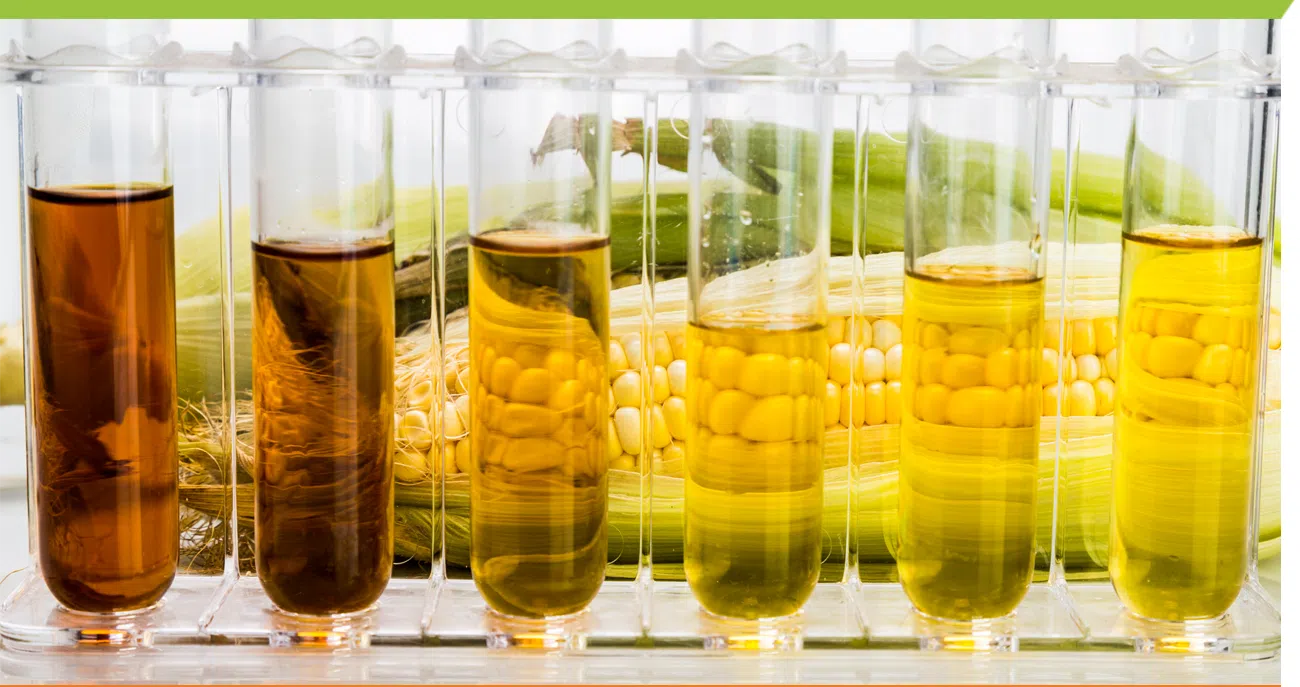
From kitchen to engine: the global potential of waste oils
The number of projects around the world demonstrates that energy sustainability can be inclusive and decentralized.
Europe and the United States
- Repsol (Spain): Produces renewable fuels from used cooking oils through thermal desorption, as part of its commitment to carbon neutrality by 2050.
- TO-SYN-FUEL (EU): Converts sewage sludge into advanced biofuels for land transport.
- Neste (Finland): Leader in renewable biodiesel, supplies urban transport in cities like Stockholm and Amsterdam.
- Darling Ingredients (USA): Its subsidiary Diamond Green Diesel produces millions of gallons of biodiesel annually.
- California Clean Energy: Promotes the use of biodiesel in public transport, reducing urban pollution.
Projects in Asia, Latin America, and Africa
- EcoCeres (China): Manufactures HVO and SAF from recycled oils, positioning China as a leader in clean fuels.
- Shenzhen Green Oil Recycling: Collects cooking oils to power the public bus fleet.
- BioD (Brazil): Works with local communities to collect oils and generate employment in rural areas.
- Energía Limpia XXI (Mexico): A UNAM project that converts used oils into biodiesel, reducing water pollution.
- Biofuels Africa (South Africa): Seeks to reduce dependence on fossil fuels through local biodiesel.
- Greenergy (Kenya): Processes used oils in small plants to supply generators and transport.
Current limitations and future challenges
Energy efficiency and costs remain barriers, but innovation opens new opportunities.
Conventional biofuels, although promising, face challenges such as the presence of oxygen in their structure, which reduces their energy performance to 90% of conventional diesel.
Moreover, they require large volumes of raw material and have high production costs, doubling the price of fossil fuels.
However, the development of e-fuels and technologies like those described allow us to overcome these limitations, bringing us closer to a cleaner, more efficient, and fairer energy model.



