



The UN Secretary-General, António Guterres, expressed his “concern” about the energy crisis in Cuba, which has worsened in recent weeks due to fuel shortages. According to his spokesperson, Stéphane Dujarric, the oil needs “remain unmet,” affecting both basic services and economic activity.
The UN recalled that the General Assembly has repeatedly called for an end to the embargo imposed by the United States, considering that it has negative effects on the economic development and living conditions of the Cuban population.
Energy and Health Crisis
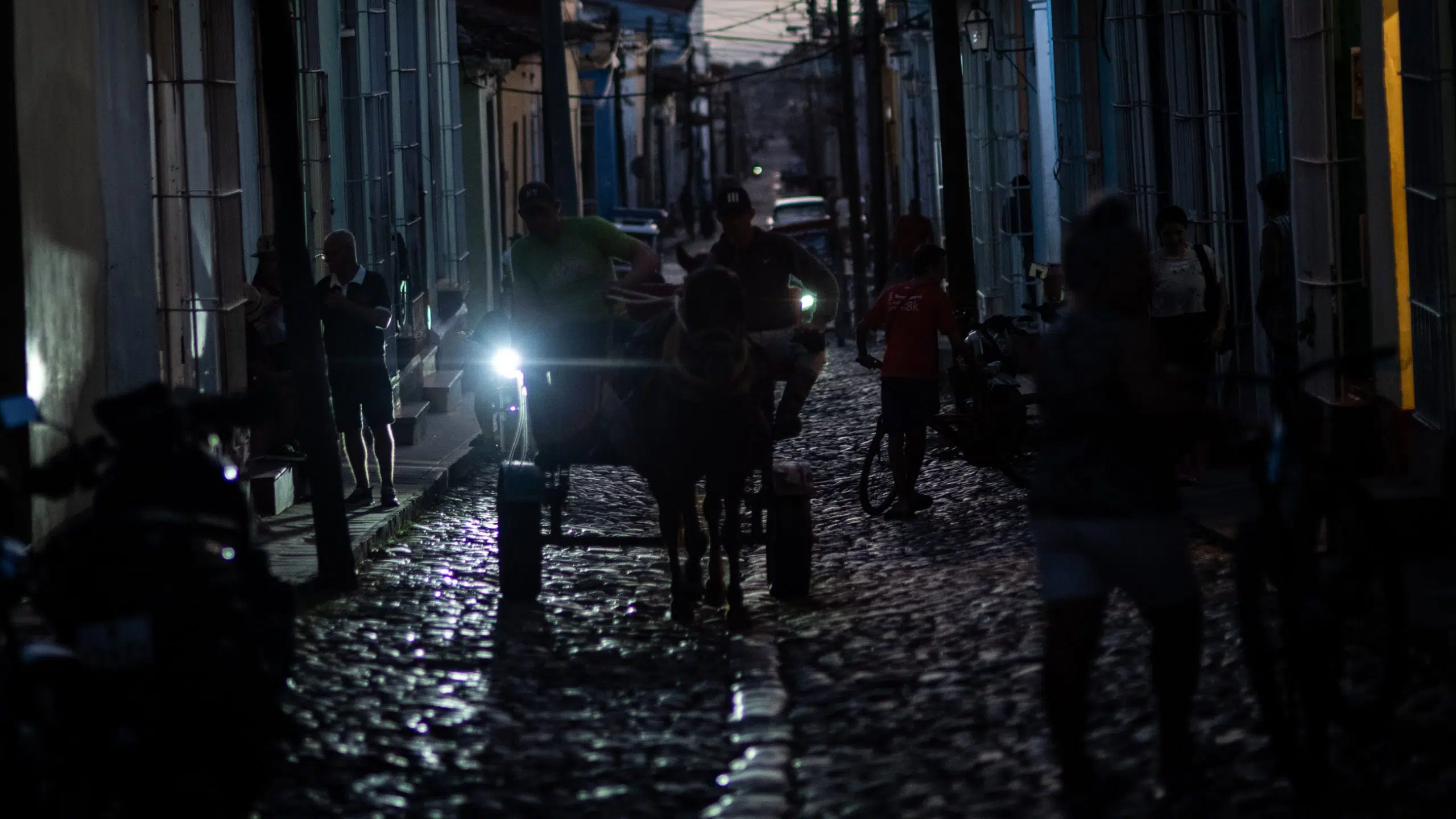
Since mid-2024, Cuba has been experiencing a deep energy crisis, intensified in January 2026 by the blockade of Venezuelan oil to the island ordered by U.S. President Donald Trump.
The Office of the United Nations High Commissioner for Human Rights (OHCHR) warned that the fuel shortage is endangering essential services:
- Hospitals: limitations in intensive care units and emergencies.
- Production of medicines and vaccines: compromised by the lack of constant refrigeration.
- Drinking water: more than 80% of pumping equipment depends on electricity, which restricts access and affects sanitation and hygiene.
Social Impact
The energy crisis also affects the rationing and distribution system of the regulated basic basket. The most vulnerable sectors, such as school feeding programs, maternity care centers, and nursing homes, are the hardest hit by the shortages.
The UN emphasized that access to essential goods and services—food, water, medicines, fuel, and electricity—is fundamental to ensuring the right to life and other basic human rights.
Call to the International Community
The UN High Commissioner for Human Rights, Volker Türk, reiterated his call to all states to review and lift unilateral measures that broadly and indiscriminately affect the population. “Political objectives cannot justify actions that violate human rights,” he stated.
Critical Energy Deficit
The state-owned Electric Union (UNE) reported that on Monday, the generation capacity was 1,457 MW against a maximum demand of 3,180 MW, resulting in a deficit of 1,723 MW. This forced the implementation of scheduled disconnections to avoid chaotic blackouts.
The prolonged power cuts have paralyzed productive sectors, affected basic services, and increased social unrest in a country already facing serious economic difficulties.
The energy crisis in Cuba reflects a combination of internal and external factors: prolonged embargo, extreme weather phenomena, and restrictions on access to oil. The UN insists that the solution lies in international dialogue, lifting sanctions, and strengthening humanitarian cooperation to guarantee the fundamental rights of the population.



