



Despite the negative numbers of material on the planet, a plastic capable of generating energy and even providing immediate battery recharges has been detected.
It is one that was discoveredin the 80s: poly 3,4-ethylenedioxythiophene, or PEDOT.
It is very particular, as, unlike others, and with certain limitations, it is a conductor of electricity.
The plastic that can generate electricity
Researchers from the University of California, Los Angeles (UCLA) have found a way to create a PEDOT supercapacitor. This is an invention with the potential to change energy storage and its transmission.
Supercapacitors, also known as ultracapacitors, are devices that store energy differently than traditional batteries.
While batteries store energy in the form of chemical reactions, supercapacitors do so by accumulating electric charges. This allows them to offer a faster charge and greater durability.
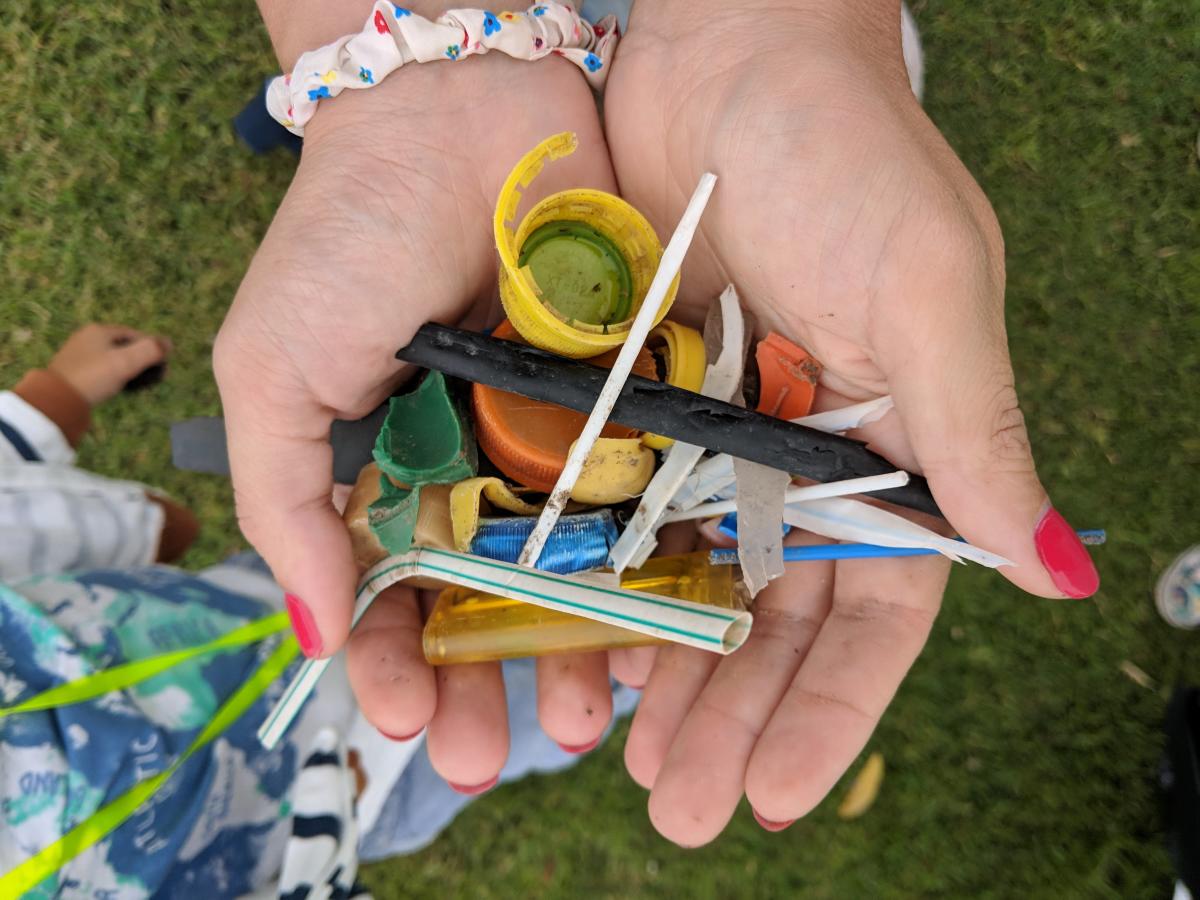 What is the plastic that could generate energy.
What PEDOT is like
The plastic is common in elements that require electrical insulation. However, in the 80s, a combination was discovered that allowed the creation of a conductive polymer of electricity.
That’s why it is used in many types of devices, such as OLED panels, touch screens, electrochromic elements, among others.
The revolution to use it
The team of chemists from the University of California sought to control the growth of the nanofibers of this polymer so that, in addition to conducting electricity, it could store.
They named it “vapor-phase growth”: the PEDOT nanofibers expand vertically.
This allows increasing the material’s surface area and, therefore, endows the polymer with better properties for storing energy. This growth was achieved by adding a liquid formed by graphene oxide nanoparticles and ferric chloride onto a graphite sheet. Once exposed to vapor, that vertical polymer is formed.
The great advantage of this device is that it can release energy by accumulating electric charge on its surface. This allows it to charge and discharge extremely quickly, making it an ideal system for applications that require releasing all their energy quickly and re-storing it, again, faster than a conventional battery.
Do you already know our YouTube channel? Subscribe now!



