



In 2025, there were 157 extreme weather events with humanitarian impact, according to the criteria of the scientific initiative World Weather Attribution (WWA), which studies the influence of climate change on extreme phenomena and their effect on people’s lives and health.
The impacts were devastating: thousands of dead and injured, diseases, famines, loss of homes and livelihoods, as well as forced migrations.
In comparison, in 2024, 219 events were identified, 62 more than in 2025, probably due to the La Niña phenomenon, which reduced warming compared to the historical records of that year.
Types of events and geographical distribution
The 2025 list was led by floods and heatwaves (49 each), followed by storms (38), wildfires (11), droughts (7), and cold episodes (3).
Scientists thoroughly analyzed 22 of these events (3 in Africa, 7 in America, 5 in Asia, 6 in Europe, and 1 in Oceania). They concluded that 17 were more severe or more likely due to climate change, while in 5, the results were inconclusive due to lack of data or limitations of climate models.
Heatwaves: the deadliest phenomenon
Since the signing of the Paris Agreement (2015), global warming has increased by 0.3 °C, but some heatwaves have become ten times more likely.
In 2025, heatwaves were the deadliest events. Although many deaths are not officially recorded, a study estimated that 24,400 people died during a single summer heatwave.
Other reports showed that climate change intensified heatwaves in countries like South Sudan, Burkina Faso, Norway, Sweden, Mexico, Argentina, and England.
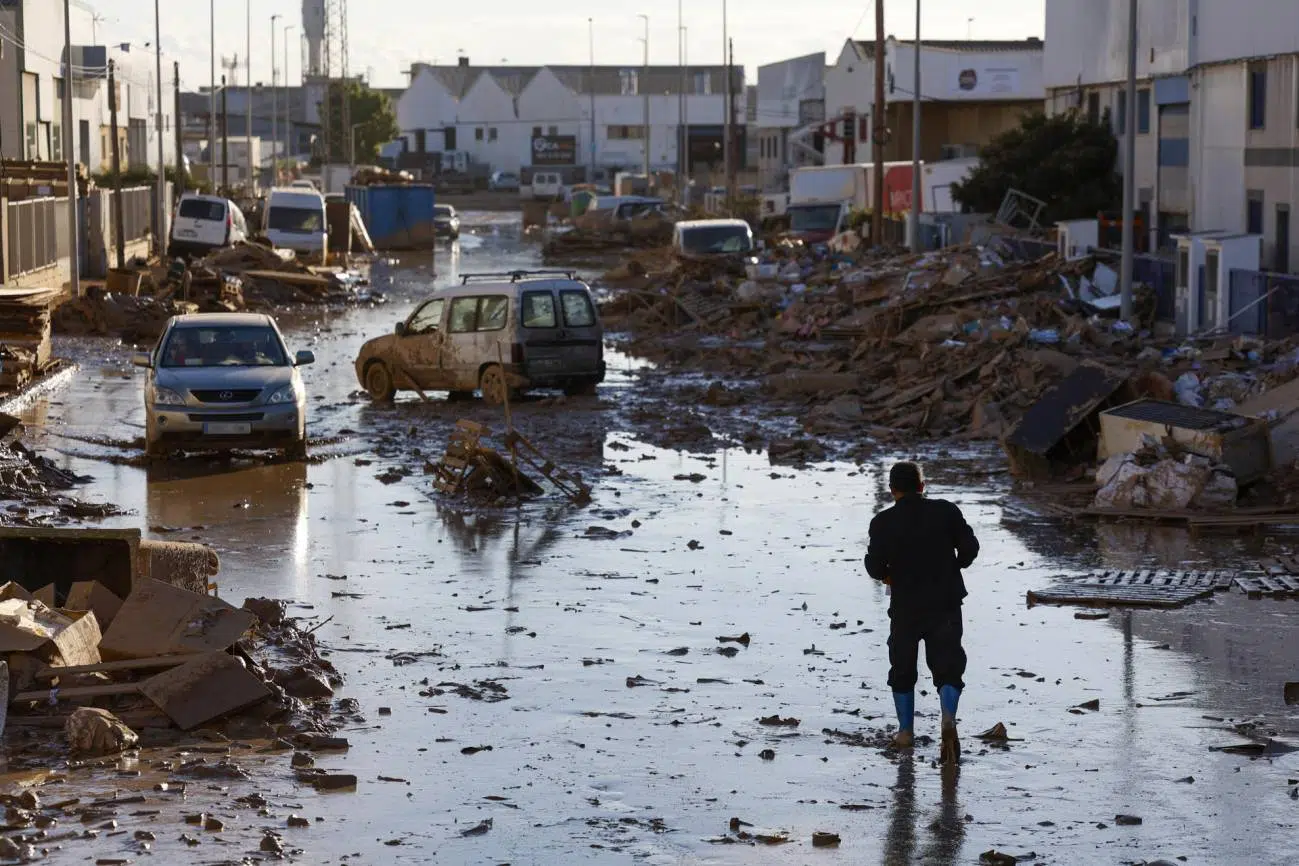
Storms and tropical cyclones
Cyclones and storms were also among the deadliest events. In Asia and Southeast Asia, several simultaneous storms caused the death of more than 1,700 people and billions in damages. Weeks earlier, Hurricane Melissa had left a trail of destruction in Jamaica.
WWA concluded that climate change made the rainfall associated with these storms more likely and intense.
Wildfires and climate inequality
Large-scale fires, such as those in Palisades (USA), Los Angeles, and Spain, significantly increased their likelihood due to climate change.
Experts warn that extreme events disproportionately affect vulnerable and marginalized communities, and that the lack of data in the Global South limits scientific analyses, also generating inequality in climate research.
Human and economic costs
According to Christian Aid, the extreme events of 2025 cost the world more than 120 billion dollars, although the actual figure would be higher because most estimates are based on insured losses and human costs are rarely accounted for.
The three most costly events were:
- Fires in California (USA): 60 billion dollars in damages and more than 400 deaths.
- Cyclones and floods in Southeast Asia: 25 billion dollars in losses and more than 1,750 deaths in Thailand, Indonesia, Sri Lanka, Vietnam, and Malaysia.
- Floods in China: 11.7 billion dollars in damages, thousands displaced, and at least 30 deaths.
WWF experts warn that climate change is pushing millions of people close to the “limits of adaptation”. Drastically reducing fossil fuel emissions remains the main policy to avoid the worst impacts.
The 2025 balance confirms that extreme phenomena are not only more frequent and intense but also more costly and deadly, with consequences that disproportionately affect the most vulnerable populations.



