



An environmental conflict in the city of Crespo, Entre Ríos, raised alarms due to the use of contaminated water to water dirt roads. The complaint was filed by neighbors who warn about the potential impacts on health and the local ecosystem. The water used comes from streams affected by untreated sewage discharges.
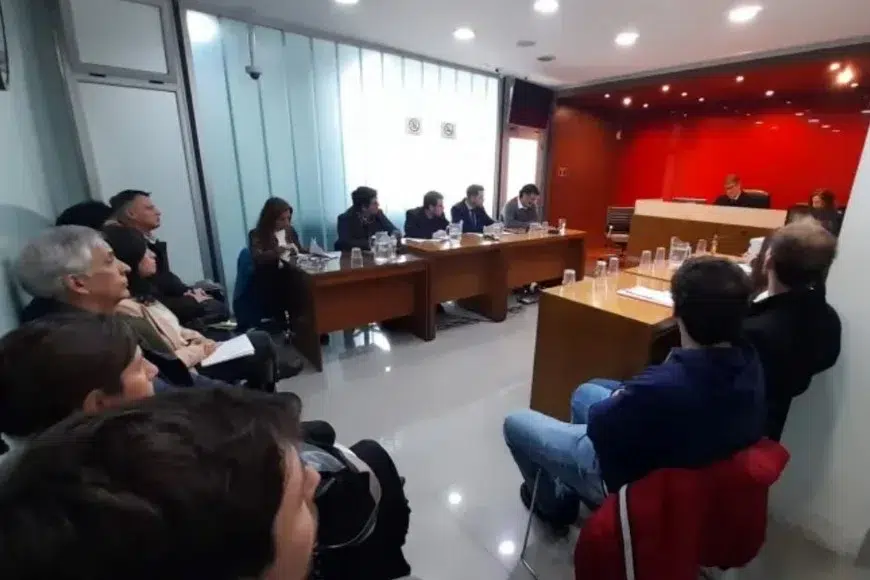
The situation was brought to justice through a collective protective action, in which the repair of the sewage system and the restoration of watercourses are demanded. In response, the Guarantees Judge of Paraná decided to maintain a valid precautionary measure while technical studies are completed and possible solutions are analyzed.
During the hearing, representatives from the Municipality, the provincial Environmental Secretariat, and legal organizations presented their positions. While there is an intention to collaborate, progress is hindered by local budget limitations and the need for external financial assistance.
A demand stemming from water and targeting health: the importance of this stream
The core of the neighbors’ demand lies in the daily exposure to highly contaminated water with fecal matter, used in watering unpaved streets. The presented analyses reveal high levels of coliforms and Escherichia coli, confirming the contamination of the Hondonada de la Cruz and S30052 streams.
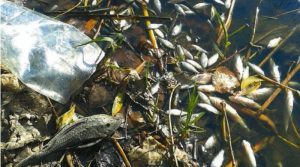
This water not only affects the immediate environment but is part of a larger water network. Both streams connect to the Espinillo stream and, ultimately, to the Paraná River. The consequences are already evident in the fish mortality and the deterioration of natural spaces like the Enrique Berduc School Park.
Residents request a plan for comprehensive sanitation with citizen participation, the maintenance of pumping stations, and a definitive cessation of the use of contaminated water in the urban environment. They also demand real guarantees on the execution of the necessary works.
The case of Crespo reflects an environmental issue that is repeated in multiple localities: the lack of adequate infrastructure, the systematic pollution of natural resources, and the tension between social urgencies and economic constraints. The resolution of this conflict could establish a key precedent for the comprehensive approach to the water crisis in urban areas of the country.
The risks hidden behind contaminated water
Drinking water contaminated with waste or fecal matter represents a serious risk to human health. This water may contain pathogenic bacteria like Escherichia coli, viruses, and parasites that cause gastrointestinal diseases, acute intestinal infections, and even more severe conditions such as hepatitis or cholera.
Exposure to this type of water pollution affects children, the elderly, and those with weakened immune systems more severely. The consequences range from persistent diarrhea to severe malnutrition and dehydration, increasing mortality in vulnerable areas.
In addition to the impact on individual health, the consumption of unsafe water contributes to the spread of diseases in entire communities, creating health crises that are difficult to contain. Therefore, ensuring access to safe water sources is essential to prevent epidemic outbreaks and protect public health.


