



The essential resources for global ecological transition have turned Africa into a strategic battlefield for cobalt, lithium, and green hydrogen.
While Europe tries to regain ground against Chinese dominance, African communities denounce colonial practices, labor exploitation, and environmental devastation.
The dilemma of Congolese cobalt
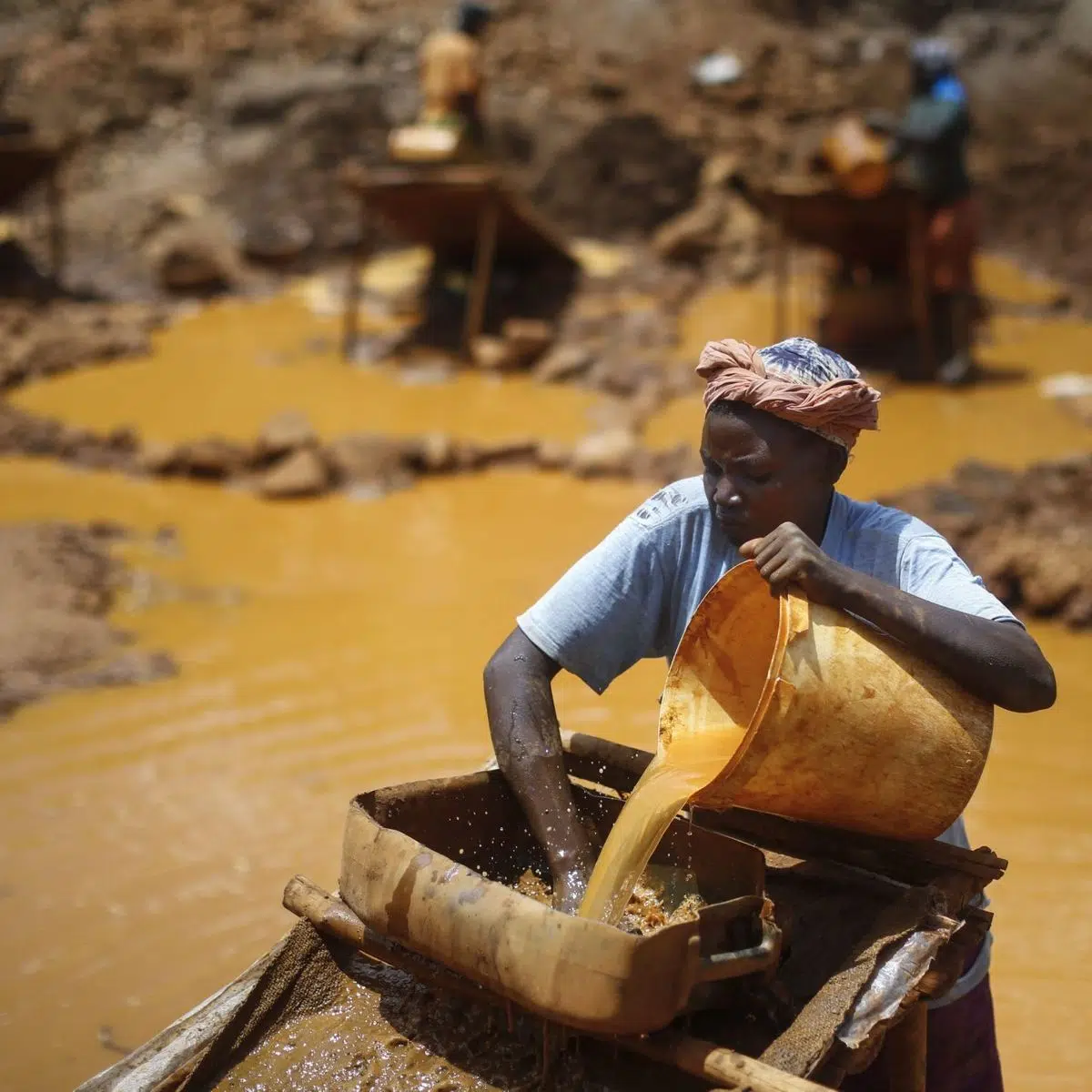
In the Democratic Republic of Congo (DRC), more than 50% of the world’s electric cars use cobalt that is part of essential resources extracted in dangerous conditions. Artisanal miners, like Songo, descend 130 meters daily through unsafe shafts: “Some colleagues have died doing this work,” he confesses.
Journalists like Lucian Caosi document how Chinese merchants buy the mineral at ridiculous prices, taking advantage of gaps left by Europe. “The Chinese dominate almost the entire sector. Europe has rules; China brings cash,” Caosi points out.
Although artisanal mining is prohibited for foreigners, activists confirm that up to 25% of the world’s cobalt comes from these illegal mines of essential resources, later mixed with industrial production.
Namibia and the mirage of green hydrogen with essential resources
Europe is strongly betting on Namibian hydrogen, with projects like Hyphen (€10 billion investment). However, inhabitants of Lüderitz, where unemployment exceeds 50%, are skeptical. “It’s always the same promises. Corporations come for our resources, but we keep suffering,” denounces Erastus Shangula.
The project threatens the Tsau Khaeb National Park —home to 1,000 endemic species— and historical areas like Shark Island, the site of a German concentration camp where 3,000 people died. Ricardo //Gowaseb, promoter of Hyphen, admits tensions: “Europeans treat us like children. We want to sit down and negotiate as equals.”
Nigeria and its essential resources: the “bridge” gas paradox
After the Russian invasion of Ukraine, Europe seeks Nigerian gas as “transitional energy.” Nigeria exports €50 billion annually in hydrocarbons, but life expectancy in the Niger Delta is only 40 years due to pollution. “Oil and gas are a nightmare. They suffocate us without giving us benefits,” affirms traditional leader Bubaralle. While soldiers destroy illegal refineries amid conflicts with pirates, activist Nnimmo Bassey (Alternative Nobel Prize 2010) questions: “We perpetuate colonialism: Africa as a warehouse of raw materials.”
Colonialism with a new face
“Colonialism is still alive. It may no longer have that name, but it persists in geopolitics and exploitation,” Bassey states. In the DRC, Patricia Cajal documents how Chinese industrial mines like Comus displace communities and contaminate soils, to extract essential resources: “My children cough from the toxic air. I could have died when my house collapsed,” recounts a neighbor. The EU tries to counteract with its Global Gateway (€300 billion in projects), but its ambassador in Congo, Nicolas Berlanga, acknowledges: “We must act with more humility. Africa is now negotiating with confidence.”
Cooperation or competition?
Germany insists on creating “ethical supply chains,” while China prioritizes speed and low cost. James Mnyupe, Namibian presidential advisor, sums up the dilemma: “When two elephants fight, the grass suffers. We must avoid being that grass.” Although the EU approved the Critical Raw Materials Law in 2024, the contradiction persists: Europe criticizes abuses, but 75% of Congolese cobalt ends up in their batteries. “It’s hypocritical to denounce conditions from which they are beneficiaries,” accuses Cajal.
The global energy transition exposes a harsh reality: the fight for African resources repeats patterns of exploitation, while local communities pay the human and environmental cost. Europe faces the challenge of reconciling its green ideals with a geopolitics where time and resources are scarce.


