



A report from the National University of Río Cuarto (UNRC) warns that the use of agrochemicals in Argentina has increased by 2,000% in recent decades, rising from 30 million liters in 1991 to 600 million today.
The research, presented by geologist and researcher Conicet Verónica Lutri, focuses on “the unseen contamination”: the silent impact on the aquifers of the Chaco-Pampean plain.
The invisible threat of groundwater
Lutri, selected by the International Groundwater Resources Assessment Centre (IGRAC) and ambassador of the World Water Film Festival, emphasizes that contamination occurs more easily in shallow aquifers and sandy or gravelly soils. There, rainwater quickly infiltrates and carries chemicals like atrazine, detected at 20 meters deep.
This herbicide, banned in the European Union since 2004, continues to be used in Argentina, where resistant weeds require higher doses.
Scientific evidence and censorship
The researcher recalls that there is tons of scientific evidence on the harmful effects of herbicides like glyphosate and 2,4-D. Pesticides have been detected in blood, urine, environmental dust, and sediments, but many studies were censored.
The Sprint Project, for example, revealed the presence of herbicides in biological matrices, although its results were not officially disseminated.
Health consequences
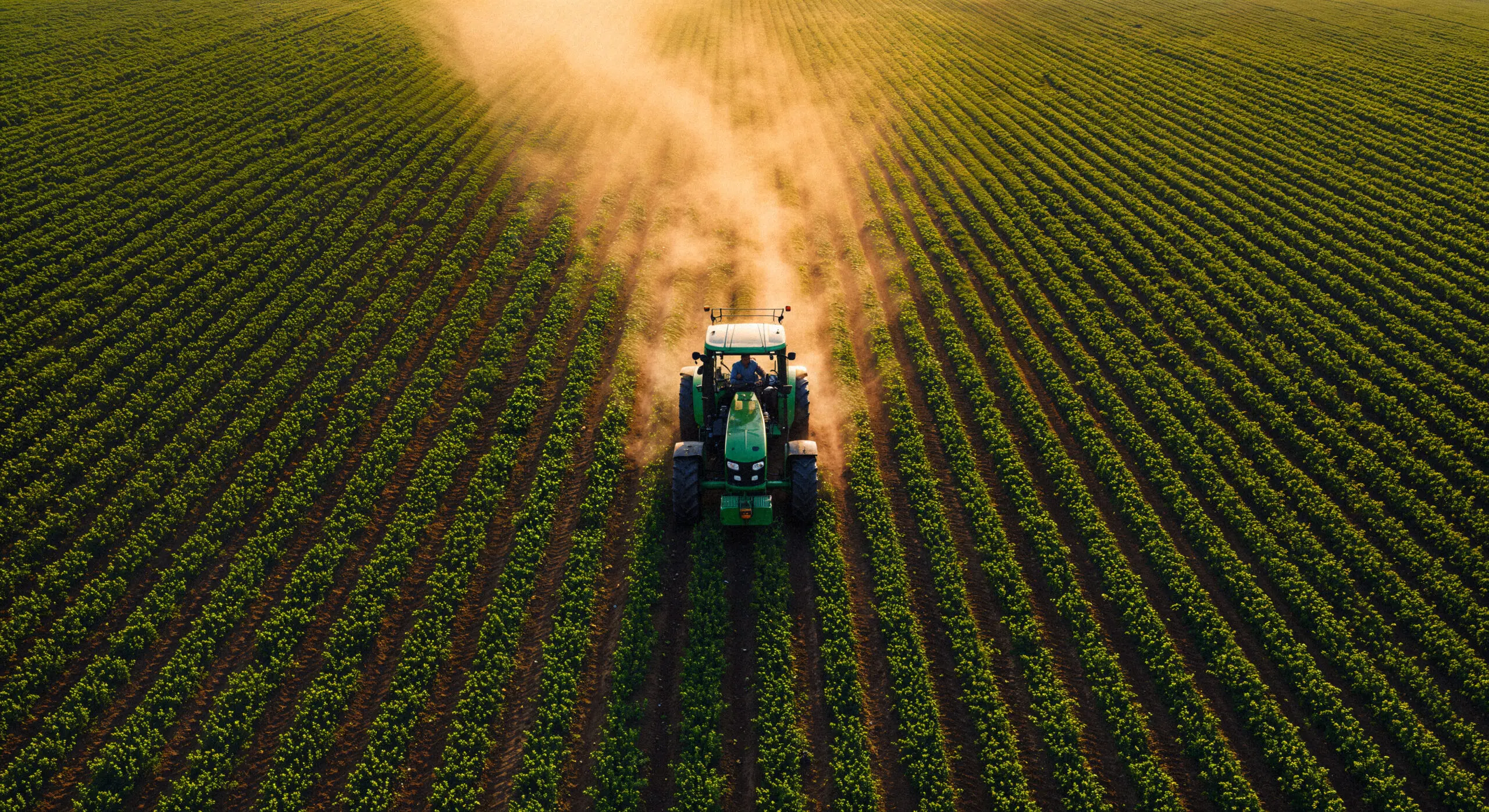
The intensive use of agrochemicals is associated with severe impacts on human health, especially in so-called “fumigated towns”:
- Cancer and chronic diseases: higher incidence of brain, breast, prostate, bladder, and colon cancer.
- Genetic and reproductive damage: increase in genetic damage and adverse effects on reproduction.
- Acute and chronic intoxications: skin conditions, respiratory and neurological problems.
- Persistent contamination: chemicals that remain in soil and water, reaching food.
In young people from exposed rural communities, cancer rates can be up to 2.5 times higher than in non-fumigated populations.
Environmental and social impact
The expansion of the agricultural frontier has led to the loss of wetlands and native forests, increasing the vulnerability of ecosystems. Moreover, the extractivist model generates inequalities: while some sectors benefit from soybean exports, others face water, air, and soil contamination.
Alternatives and agroecology
The agroecology specialist from UNRC, Claudio Sarmiento, suggests the need to seek natural alternatives such as the use of beneficial insects and agroecological practices. Lutri agrees that the system is saturated and requires a paradigm shift: “Without water, we cannot live, and we do not care for what we do not know.”
The UNRC report exposes a chemical-dependent model that threatens public health and ecosystems.
The contamination of aquifers, the censorship of studies, and the increase in diseases in rural populations are warning signs. In this scenario, agroecology and strict regulation appear as possible paths to reduce dependence on agrochemicals and protect both the environment and the health of communities.


