



The planet’s **loss of biodiversity** is an increasingly concerning problem. This crisis is not only an environmental issue but also a resounding alarm about the **state of the planet** and the future of humanity.
As **ecosystems collapse** at an unprecedented rate due to deforestation, what does this decline tell us about our future? This deterioration hides signals that must not be ignored.
## Loss of biodiversity: an alarming observation
According to a recent UN report, **almost a million animal and plant species** are currently threatened with extinction.
This **dizzying figure** is directly related to human activity: deforestation, pollution, urbanization, **overexploitation of natural resources**, and **climate change**.
The tropical forests, the planet’s lungs, are **disappearing** at an alarming rate, causing the loss of habitats for thousands of species.
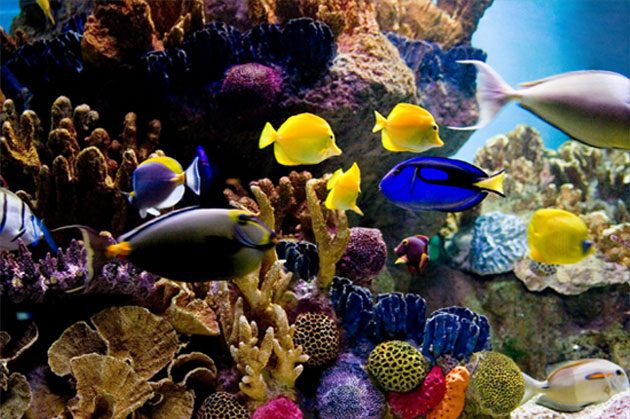
The **coral reefs**, which host 25% of marine life, are also at risk due to **ocean warming and water acidification**.
## The consequences for humans: an uncertain future
Biodiversity is not just a natural treasure to be preserved; it is also the basis of human existence. Ecosystems play a crucial role in **climate regulation, air and water purification**, crop pollination, and much more.
In this sense, the disappearance of these “ecological services” directly endangers **food security, health, and the economy**. Scientists warn: the collapse of biodiversity is also a wake-up call about **our resilience to future crises**.
## The role of climate change
**Climate change and biodiversity loss** exist in a vicious circle. As ecosystems collapse, their ability to absorb carbon dioxide decreases, further exacerbating **global warming**.

This increases pressure on species, **forcing them to migrate or disappear due to the impossibility of adaptation**. A concrete example is mangroves, which protect coasts against storms and store large amounts of carbon, disappearing at an alarming rate.
## Is there a solution?
Despite the seriousness of the situation, there is still time to act. Preserving biodiversity requires radical changes in our production and consumption patterns. Specialists highlight some key measures:
– **Protect natural habitats** by establishing more environmental policies.
– **Reduce pollution** and limit the use of harmful pesticides to fauna and flora.
– **Support sustainable agricultural practices** that promote soil regeneration and biodiversity.
– **Adopt ambitious global policies**, such as the COP15 biodiversity pact, which aims to restore 30% of the world’s ecosystems by 2030.
**[Do you already know our YouTube channel? Subscribe!](https://www.youtube.com/channel/UCrYLIWysAyv4m833zGAQ02g)**


