



Brazil recorded a total of **21.1 million tons of methane (CH₄) emissions** in 2023, reaching the **second highest level** since the implementation of the **Greenhouse Gas Emissions Estimates System (SEEG)** by the Climate Observatory.
This **6% increase in four years** is concerning environmental organizations, which highlight the **mitigation potential** if **sustainable strategies are adopted in the agricultural sector**.
### Livestock and Methane: The Critical Link Brazil Must Transform
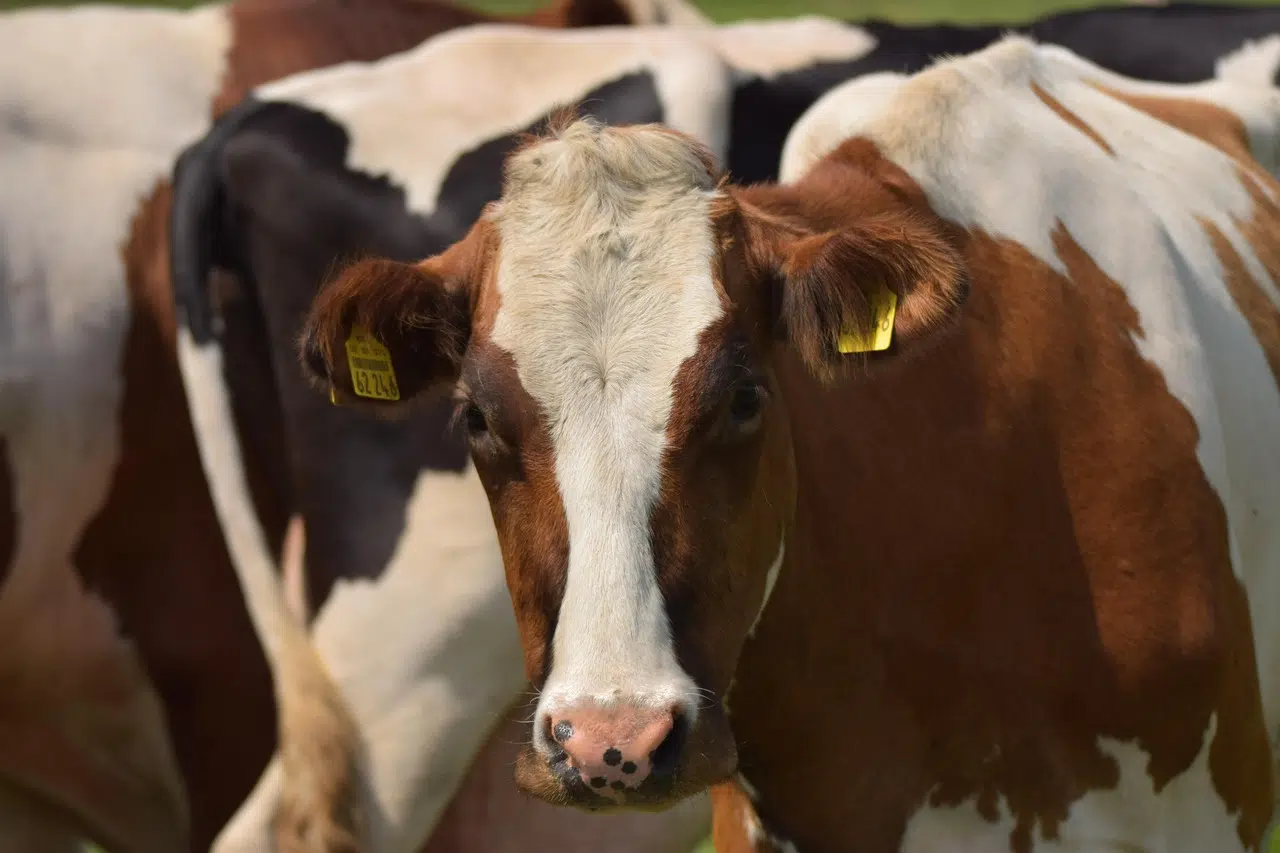
According to the report, **enteric fermentation of cattle** – the gases emitted by animals during digestion – was responsible for **14.5 million tons of methane** in 2023.
This accounts for **69% of the national total**, explained by the enormous size of the Brazilian herd: **238.6 million heads**, the second largest in the world after India.
The agricultural sector as a whole generated **75.6% of methane emissions**, followed by:
– Urban solid waste: 14.6%
– Forest fires: 6.3%
– Energy sector: 2.6%
### How to Reduce Methane Without Slowing Livestock Production?
**Experts propose improving animal diets, shortening fattening times, and investing in bovine genetics**.
Gabriel Quintana, climate science specialist at the **Imaflora Institute**, stated that Brazil could **reduce its emissions by 25% by 2035**, even with herd growth, through the implementation of **sustainable practices** such as:
– Optimization of animal diets
– Reduction of slaughter times
– Genetic improvement of cattle
These measures would allow for **reducing the environmental footprint without compromising productivity**, contributing to the fulfillment of the **Global Methane Pledge** signed by Brazil in 2021 along with more than 150 countries.
### Methane: An Invisible Gas with High Climate Impact
Although its **atmospheric lifespan** is shorter than that of carbon dioxide (between 10 and 20 years), methane has a **global warming potential 28 times greater** in the short term. Therefore, **strategic reduction** of methane can lead to **faster results** in the fight against climate change.
A **45% reduction in methane emissions** could **prevent a 0.3°C increase in global temperature** by 2040, according to Climate Observatory estimates.
### Brazil and Climate Commitment: Between Promises and Urgency to Act
The country committed to **reduce its methane emissions by 30% by 2035**, but there have been no significant advances.
Claudio Ángelo, International Policy Coordinator at the Climate Observatory, warned that **Brazil has not taken concrete actions** to fulfill the commitment made at **COP26 in Glasgow**.
The lack of action jeopardizes climate targets and the country’s international credibility.
### Green Economy and Livestock Traceability: Pillars of the Regional Debate
**Agencia EFE** will host the **III Latin American Green Economy Forum** in **São Paulo on September 4th**, with the support of **ApexBrasil**, **Norte Energía**, **IBMEC**, **Imaflora**, and the **Climate Observatory**.
One of the central themes will be **livestock traceability**, crucial to ensuring responsible and transparent practices in meat production.


