



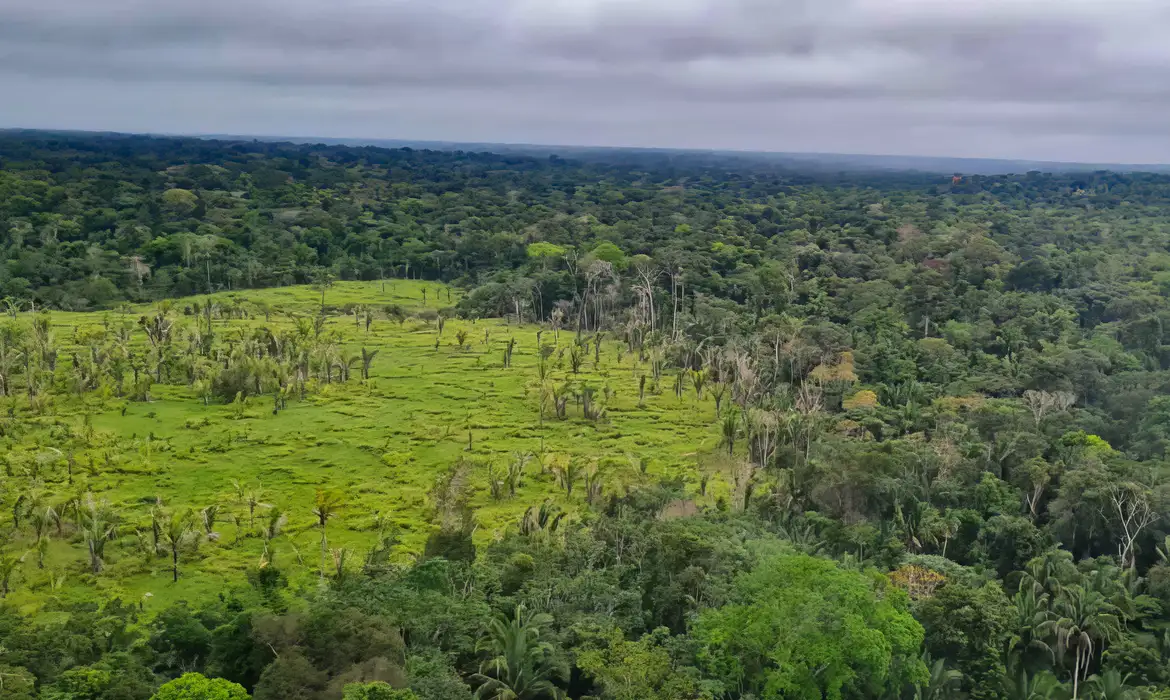
Brazil took a decisive step in protecting its ecosystems by launching a groundbreaking satellite system that will allow daily monitoring of the entire Amazon rainforest. The initiative aims to more effectively combat deforestation, illegal mining, and fires threatening the region.
The new program, developed by the National Institute for Space Research (INPE), uses artificial intelligence and image analysis to identify almost real-time signs of environmental destruction. Its scope includes not only the dense forest but also the savannas and fields that represent about 20% of the biome.
Initial data confirms an encouraging impact. During August, alerts of vegetation loss in forest areas of the Amazon decreased by over 30% compared to the same month of the previous year. However, there was a slight increase in non-forest areas, highlighting the importance of expanding surveillance.
The system is not limited to the Amazon. It also covers the Pantanal and Cerrado biomes, considered essential for Brazil’s climatic balance. The government’s goal is to expand monitoring to other ecosystems such as the Atlantic Forest, Caatinga, and Pampa in the coming years.
Progress Ahead of COP30
The system’s launch comes at a pivotal political moment. Brazil, which holds 60% of the South American Amazon territory, will host the COP30 in Belém in November, bringing together world leaders to discuss new measures addressing the climate crisis.
With this monitoring tool, the country aims to strengthen its image as a key player in environmental protection and demonstrate concrete progress before the summit. However, the challenge goes beyond technology and requires coordination among authorities, local communities, and international organizations.
The implementation of this system marks a significant step in defending the world’s largest tropical forests. If it manages to reduce deforestation and control illegal activities, Brazil will not only protect its natural heritage but also contribute to global environmental balance.
The Ecological Role of the Amazon
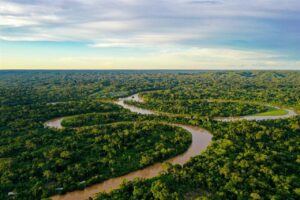
The Amazon is considered one of the planet’s main lungs. Its forests absorb millions of tons of carbon dioxide each year, helping regulate the global climate and mitigate climate change. Protecting this biome is crucial for meeting international commitments to reduce emissions.
Additionally, the Amazon rainforest is a unique biodiversity reservoir. It hosts around 10% of known species worldwide, including plants, birds, mammals, and insects that play essential roles in maintaining the ecosystem balance. Many of these species have not been fully studied, emphasizing the importance of their conservation.
Regulating the water cycle is another vital contribution. The Amazon generates vast amounts of water vapor that turn into rain, benefiting not only South America but also distant regions. This function sustains agriculture, water resources, and the climate stability of millions of people.


