



A survey conducted by Aurora Lab and More in Common revealed that 85% of Brazilians already feel the impact of climate change in their daily lives, and almost half (46%) consider it intense.
The study, presented in São Paulo, included 2,630 participants and showed how extreme weather events affect the economy, health, and social well-being.
The main complaints were:
- Higher cost of living: 53%
- Physical health problems: 45%
- Obstacles to accessing work: 40%
- Mental illnesses: 32%
- Loss of income: 17%
- Job loss: 10%
Responsibility in the transition
67% of respondents believe that the government should be primarily responsible for ensuring the protection of workers in this context. Only 7% mentioned employers and less than 6% mentioned self-organized groups.
For Gabriela Vuolo, executive director of Aurora Lab, this result is concerning: “There will be more and more extreme weather events, and employers also have a crucial role in ensuring the protection of workers during the transition”.
Awareness of the climate crisis
The survey shows that 93% of Brazilians recognize the need to transform production and consumption models to address the climate crisis. Additionally:
- 67% believe these changes will benefit the working class by creating jobs.
- 10% think they will reduce jobs.
- 45% believe the energy transition will reduce social inequalities, while 23% think it will increase them.
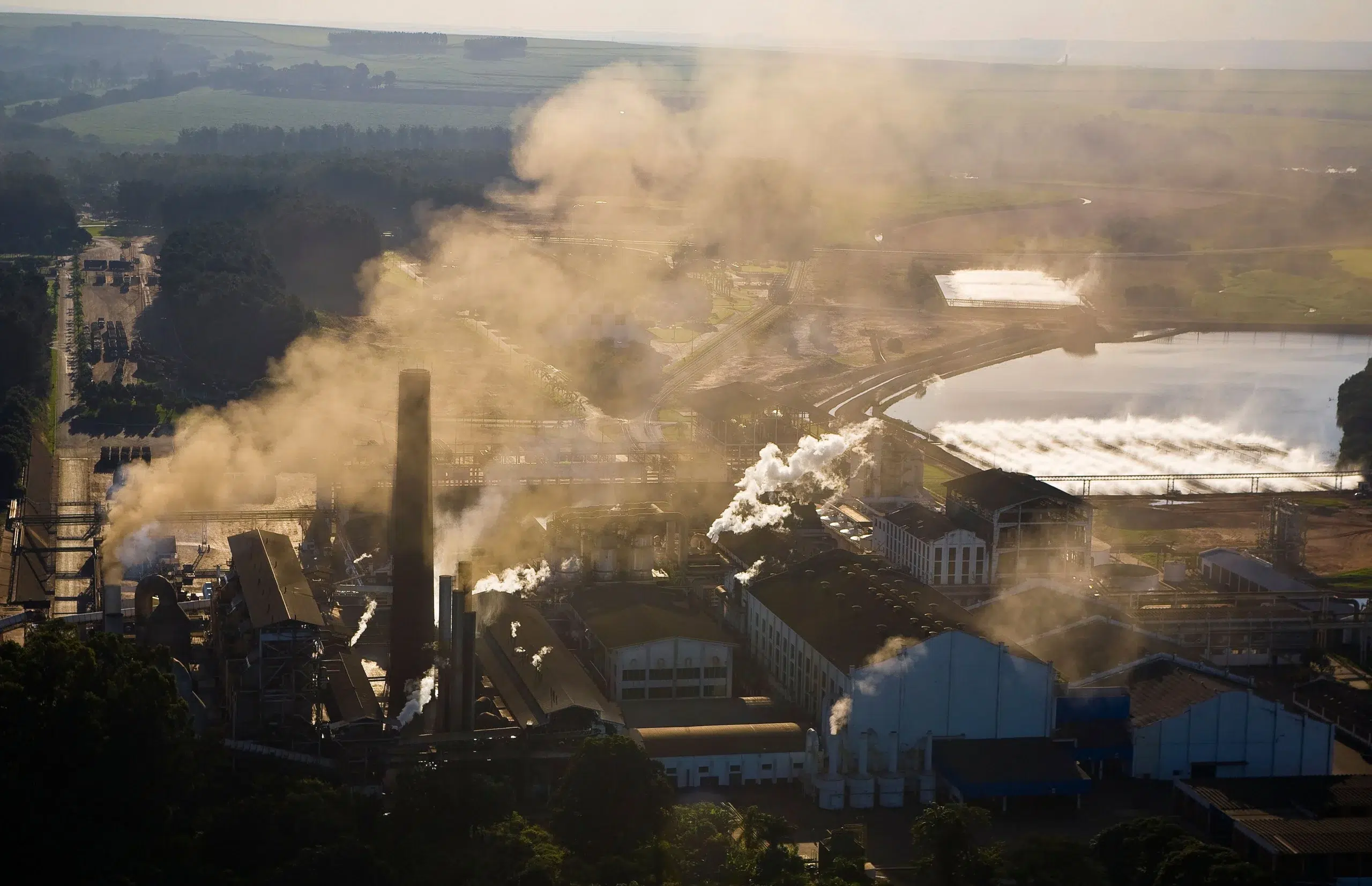
Main impacts of climate change in Brazil
- Extreme events: prolonged droughts in the north and torrential rains in the south cause mass displacements, human losses, and millions in damages.
- Economic and food impact: the rising cost of living and agricultural difficulties make food more expensive and affect employment.
- Public health crisis: higher temperatures exacerbate respiratory, cardiovascular, and mental health issues.
- Amazon at risk: deforestation brings the ecosystem closer to a “tipping point” that would alter the rainfall regime across the continent.
Social consequences
Heatwaves, floods, and droughts disproportionately affect the most vulnerable communities.
Disadvantaged sectors face higher risks of displacement, loss of housing, and health deterioration, reflecting a structural inequality that deepens with each environmental disaster.
The urgency to act
- Protection of the Amazon: preventing it from losing its ability to absorb carbon and regulate the water cycle is vital for global stability.
- Just transition: clean energy and sustainable agriculture can reduce inequalities and create jobs.
- International leadership: with COP30 on its territory, Brazil has the opportunity to consolidate mitigation and adaptation policies that set the course for sustainable development in Latin America.
Climate change already directly impacts the majority of Brazilians, raising the cost of living, affecting health, and causing displacements. The survey reflects a society aware of the need to transform its production models but places the responsibility mainly on the State.
To avoid ecological and social collapse, Brazil must drive a just energy transition, protect the Amazon, and assume global leadership in the fight against the climate crisis.



