



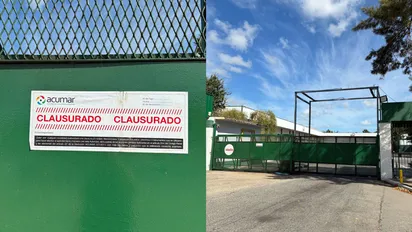
A poultry plant located in the town of El Jagüel, in the Esteban Echeverría district, was closed after a series of inspections and complaints related to its operation. The measure was adopted by the environmental agency of the basin following an administrative intervention initiated days ago.
The process began with a report filed by the municipality of Esteban Echeverría after receiving complaints from residents about possible environmental impacts resulting from the establishment’s activity. Among the complaints were persistent odors and concerns about operating conditions.
Following this initial intervention, the participation of the agency responsible for environmental control in the basin was requested. After analyzing the situation and conducting inspections, the closure of the premises was finally ordered.
The decision came in a context of increasing public pressure driven by local residents. In recent days, complaints were spread on social media and a signature campaign was conducted to demand stricter controls. Meanwhile, the authorities have not yet informed how long the plant will remain closed or what the necessary conditions will be for it to resume its activity.

Neighborhood complaints and institutional controls
The environmental conflict began to gain more visibility after residents of El Jagüel organized meetings with municipal authorities to express their concerns. During these meetings, the complaints and inspections conducted at the establishment were analyzed.
According to reports, the meeting was attended by officials from the Esteban Echeverría municipality and representatives from various areas related to environmental management. There, the administrative actions accumulated from previous years were reviewed.
Among the documents analyzed were inspection reports and sanctions applied to the company since 2022. These actions reflected previous controls related to the operation of the plant.
The subsequent intervention of the environmental agency of the basin allowed for an expanded investigation into the establishment’s activity. As a result of this process, the decision was made to close the premises located in El Jagüel.
For now, the case remains under monitoring while evaluating the measures the company must adopt to comply with current regulations.
The ecological impact of poultry plants
Poultry plants are part of a key industry for food production. However, their operation can generate environmental impacts if adequate controls and treatment technologies are not applied.
One of the most common issues is the generation of organic waste from the breeding and processing of birds. This waste can cause soil or water contamination if not managed properly.
Additionally, poultry activities often generate strong odors due to the accumulation of organic matter. When facilities are located near urban areas, these odors can affect the quality of life of nearby communities.
Another relevant aspect is the possible contamination of watercourses by industrial effluents or runoff from the establishments. For this reason, treatment systems and environmental control are essential.
When poultry plants apply good environmental practices, these impacts can be significantly reduced. However, the lack of controls or adequate infrastructure can lead to socio-environmental conflicts.
The role of environmental oversight in urban areas
The closure of the establishment also reopens the debate on environmental oversight in areas where productive activities and residential zones coexist. In these contexts, institutional control is key to avoiding environmental risks.
Municipal and regional agencies play a central role in supervising the industries operating in their territories. Periodic inspections allow for the detection of irregularities and the enforcement of improvements in environmental management systems.
Furthermore, citizen participation is often an important factor in highlighting environmental issues affecting communities. Neighborhood complaints often trigger control processes that lead to official investigations.
In the case of El Jagüel, the joint intervention of authorities and residents allowed the conflict to reach the responsible environmental authorities of the basin. From there, the preventive closure aims to prevent possible impacts while determining the situation of the establishment.


