



On Thursday, December 4, 2025, citizen assemblies and socio-environmental organizations will carry out a national mobilization day to defend the Glacier Law, enacted in 2010. This law prohibits mining and other extractive activities on glaciers and their surrounding areas, known as periglacial environments, which function as natural water reserves.
The call comes after President Javier Milei expressed his intention to promote a reform of the Glacier Law to allow mining activities in currently protected areas.
The Importance of the Glacier Law
The organizations emphasized that the main objective of the day is to highlight the importance of this law for the protection of water and mountain ecosystems.
In a joint message, they recalled:
“In 2010, the environmental struggle, with more than 300 organizations and the technical advice of the Argentine Institute of Snow Research, Glaciology, and Environmental Sciences, achieved the enactment of Law 26,639, which protects the water of the territories and, therefore, the life of communities.”
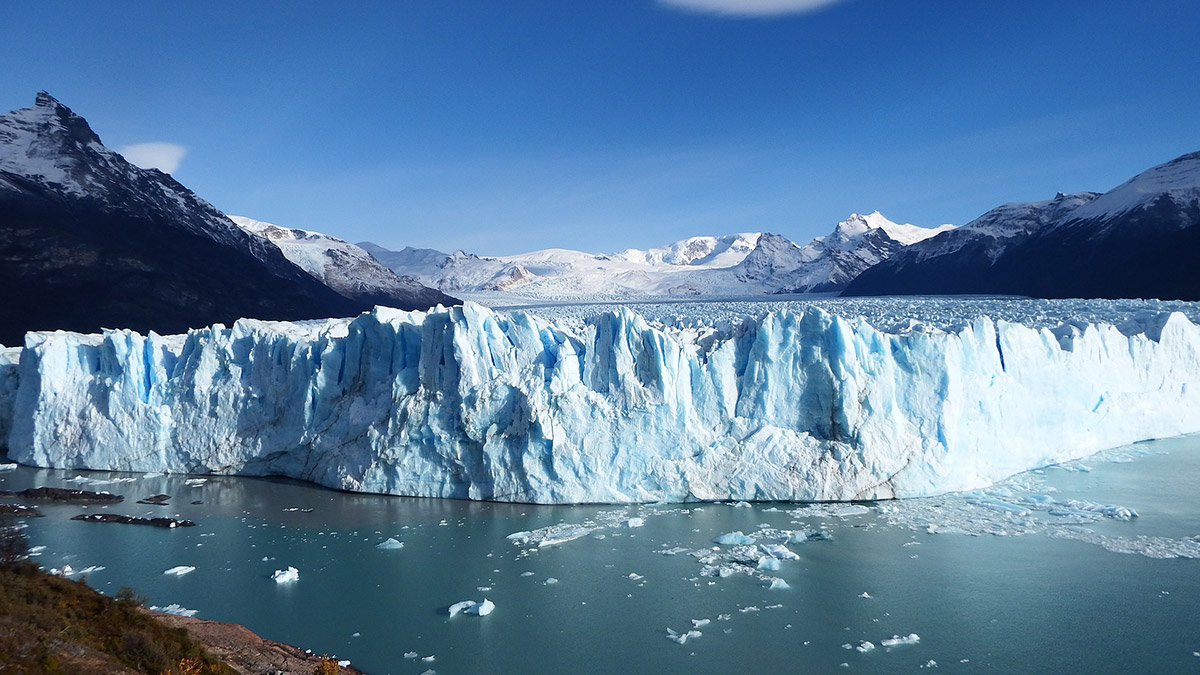
Glaciers play a key role in water and climate regulation:
- They contain almost as much freshwater as all the lakes on the planet.
- They reflect sunlight and help to reduce global warming.
- Their partial melting in summer sustains the flow of essential rivers for agriculture, wetlands, flora, and fauna.
Additionally, part of the water from the Andean glaciers reaches rivers like the Paraná, Paraguay, and Pilcomayo, making them strategic freshwater reserves for vast regions of the country.
Mobilizations Across the Country
The day will include marches, open radio broadcasts, festivals, and informational activities in different provinces.
In Buenos Aires City, organizations will gather in front of the National Congress to demand that no modification to the current law advances. There will also be protests in Buenos Aires, Catamarca, Chubut, Córdoba, Entre Ríos, Mendoza, Misiones, Neuquén, Río Negro, Salta, San Juan, Santa Fe, Santa Cruz, Tierra del Fuego, and Tucumán.
The Central Points of the Debate
The controversy revolves around the tension between water resource protection and the possible authorization of economic activities, especially mining.
Water Protection vs. Economic Activity
- Supporters of the current law: argue that glaciers and periglacial environments are essential for potable water supply, agriculture, and compliance with international commitments.
- Mining industry: claims that the current definitions are too broad and restrict 75% of areas with mining potential.
Definition of “Glacier” and “Periglacial Environment”
There is a need to clarify the definitions to avoid contradictions. One proposal is for a regulatory decree to specify the object of protection, such as glaciers with a water function.
National vs. Provincial Jurisdiction
Some voices suggest that provinces define glaciers and periglacial environments within their territories, which could imply a setback from the current national law.
Legal Framework
The Glacier Law was confirmed as constitutional by the Supreme Court in 2019, after rejecting an unconstitutionality request from the mining company Barrick Gold.
The discussion about modifying the Glacier Law resurfaces in the context of urgency to attract investments, but it generates strong controversy. For socio-environmental organizations, the law is a fundamental pillar in the protection of freshwater and in the fight against the climate crisis.
The national mobilization day seeks to send a clear message: glaciers are vital water reserves, and their protection cannot be jeopardized by extractive interests.


