



The controversy over the sale and public tasting of donkey meat in Chubut continues to generate judicial and environmental repercussions. The case is under review by the Environmental Prosecutor’s Office of Rawson following the dissemination of activities carried out in a Trelew business.
The case became public after the promotion of empanadas and other products made with donkey meat. The tasting, open to the public and widely publicized, prompted criticism from protectionist organizations and specialists linked to animal welfare.
Additionally, the prosecutor specializing in environmental crimes and animal abuse, Florencia Gómez, confirmed that the investigation remains in the preliminary stage and that more than twenty complaints have already been accumulated from NGOs from different parts of Argentina and Mercosur.
Furthermore, the case is not only focused on the commercialization of the product but also on possible breaches of sanitary regulations and the impact that such practices could have on the species.

SENASA denied authorizations for internal consumption
One of the most relevant aspects of the investigation involves the participation of the National Service of Agrifood Health and Quality. According to reports, representatives of the agency testified before the Prosecutor’s Office and denied having authorized the slaughter or commercialization of donkey meat for internal consumption.
Furthermore, the authorities emphasized that the current legislation mainly covers the export of equine meat, although it does not automatically authorize the sale of donkey-derived products within the national market.
Consequently, the investigation seeks to determine if there were specific permits, administrative irregularities, or possible violations of the current sanitary framework. The scope of a supposed “pilot test” mentioned by some involved is also being analyzed.
Meanwhile, specialists argue that the absence of specific protocols for the sale, traceability, and sanitary control creates a legally ambiguous and potentially risky scenario for consumers and producers.
The consumption of donkey meat in Patagonia and the productive debate
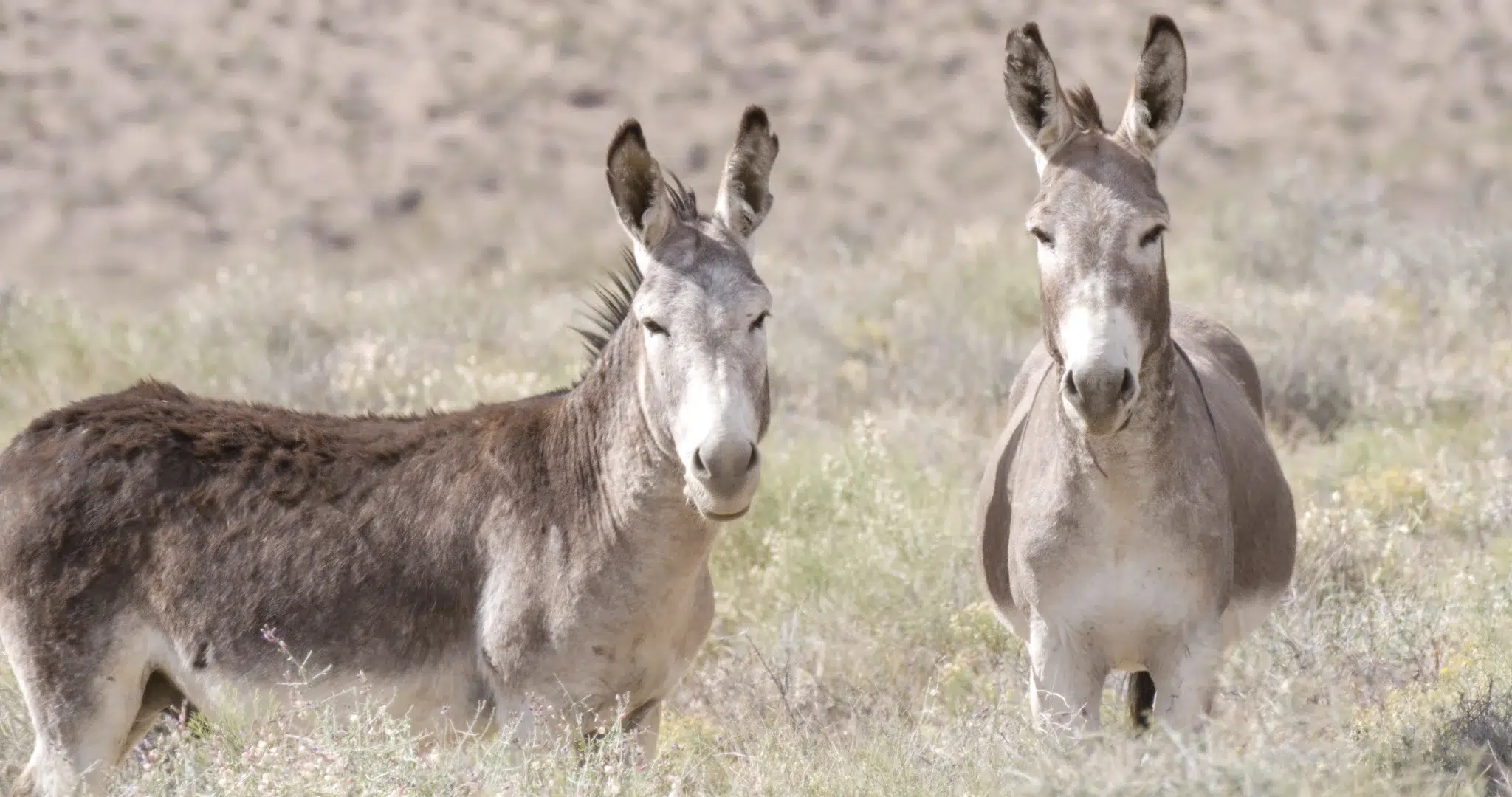
The consumption of donkey meat has limited precedents in different regions of the world, although in Argentine Patagonia it has never been part of a widespread dietary practice. For this reason, the situation has sparked surprise and opened an intense social and cultural debate.
Some sectors propose the possibility of developing new regional products from equine species. However, environmental organizations and animal welfare specialists warn that donkeys have low reproductive rates and reduced populations compared to other livestock species.
Furthermore, they emphasize that any potential productive use should include population studies, strict sanitary controls, and clear regulations to avoid negative impacts on animals and rural ecosystems.
On the other hand, experts linked to conservation point out that the responsible management of species in Patagonian environments is essential to prevent problems of overgrazing, soil degradation, and ecological imbalances.
Sanitary regulations and environmental protection under discussion
Argentine legislation regulates the industrialization of equine meat mainly for export purposes. However, the Argentine Food Code does not specifically contemplate the commercialization of donkey meat intended for regular consumption.
As a result, there are currently no official protocols for slaughter, traceability, or sale for these types of products within the formal internal circuit. This situation leaves significant regulatory gaps and complicates sanitary oversight tasks.
Additionally, protectionist organizations argue that any commercial advancement on equine species must consider environmental criteria, animal welfare, and productive sustainability, especially in sensitive regions like Patagonia.
While the investigation continues in Rawson, authorities are analyzing possible responsibilities and evaluating new measures related to the sanitary and environmental control of the case that has generated repercussions throughout the country.


