



A study published in Nature Communications has confirmed that the interior of East Antarctica is experiencing a warming rate higher than its coastal areas, challenging current climate projections.
The research, led by Naoyuki Kurita from the Space-Earth Environmental Research Institute at Nagoya University, analyzed data from 30 years from unmanned weather stations in remote areas of the continent.
A climate blind spot: the Antarctic interior under scrutiny
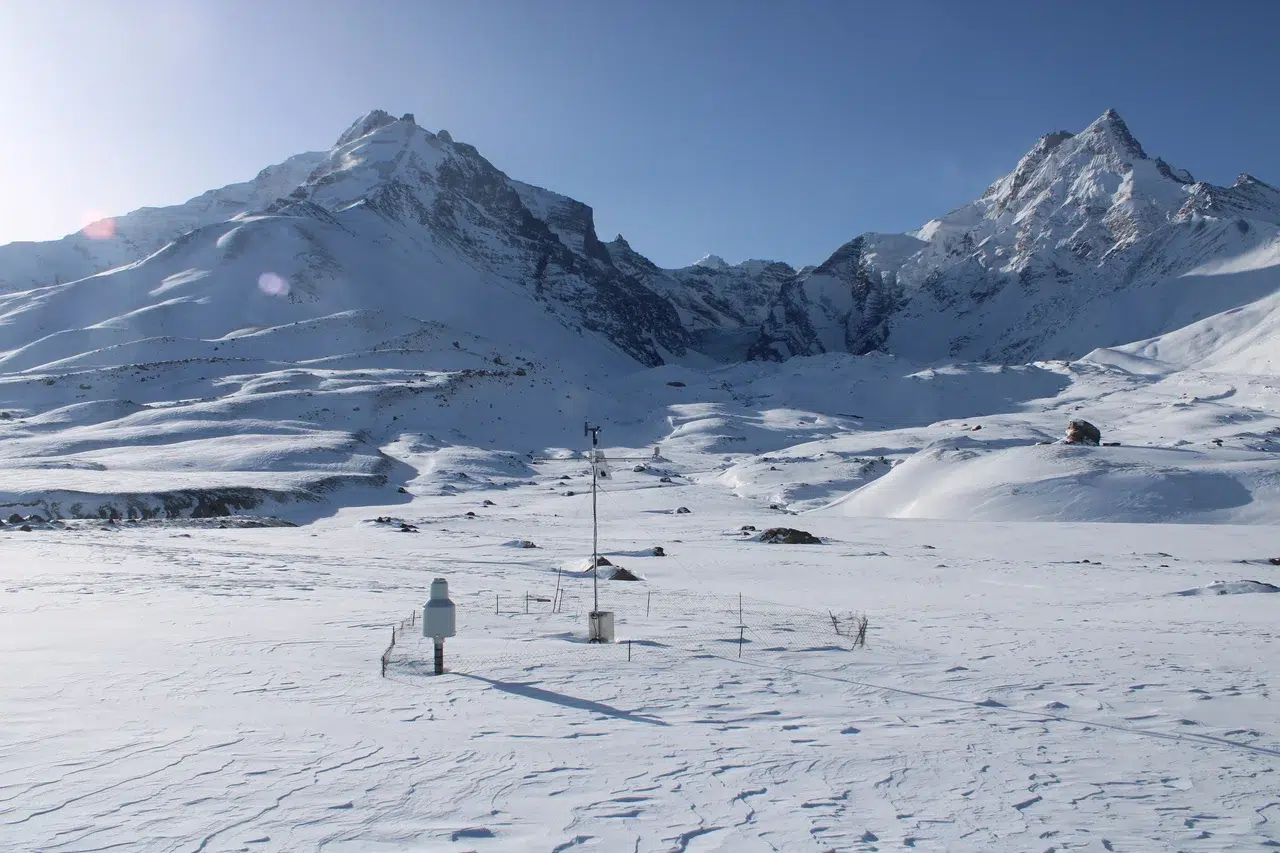
Until now, the interior of Antarctica was considered a scientific observation void, with only four manned stations and long-term data available only at Amundsen-Scott (South Pole) and Vostok. To fill this gap, the Japanese team collected monthly temperature records since 1993 from three automatic stations: Dome Fuji, Relay, and Mizuho.
The results were clear: the three locations showed temperature increases between 0.45 and 0.72°C per decade, surpassing the global average and revealing an accelerated warming in areas that were previously considered stable.
The Indian Ocean as a driver of Antarctic warming
Changes in atmospheric circulation transport warm air towards the interior of the continent.
The study links this phenomenon to thermal alterations in the Southern Indian Ocean, which intensify oceanic fronts—areas where warm and cold waters meet.
These temperature differences generate low-pressure systems at mid-latitudes and high pressure over Antarctica, causing a persistent flow of warm air southward.
“This atmospheric dipolar pattern is channeling heat towards the heart of the continent,” explained Kurita. “And it could anticipate surface melting in coastal areas like Syowa Station.”
Global implications: Antarctic ice could respond faster than previously thought
Current climate models do not capture this mechanism, underestimating future ice loss.
East Antarctica hosts the largest reserve of glacial ice on the planet, and its stability is crucial for the global sea level.
The newly identified mechanism suggests that current climate models may be underestimating the continent’s response speed to global warming. This increases risks for coastal areas, marine ecosystems, and interconnected climate systems.
Scientific and political urgency: monitor, model, and act
The study reinforces the need to expand observation coverage in polar regions.
This finding highlights the importance of:
- Installing more weather stations in the Antarctic interior
- Updating climate models with new atmospheric and oceanic data
- Strengthening international cooperation in polar research
- Designing adaptation strategies in the face of potential ice mass collapse



