



Each hot season drives the use of repellents to avoid bites and diseases transmitted by mosquitoes. However, conventional products often contain chemicals that raise health and environmental concerns.
In this scenario, ecological options and natural alternatives are gaining ground as safe and effective alternatives. Ecological repellents are made from essential oils, plant extracts, and biodegradable compounds.
These formulas reduce exposure to synthetic chemicals and decrease the risk of allergic reactions in sensitive skin. Moreover, their production is linked to low environmental impact practices and renewable ingredients.
In various countries, researchers and consumers are promoting their adoption due to their lower ecological footprint. The growing interest in sustainable products facilitates their presence in markets, fairs, and natural stores. The trend responds to a global concern to reduce everyday toxins without losing protection.

Most Used Natural Repellents
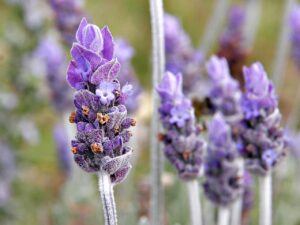
Ecological repellents are mainly based on plants with aromatic properties that are unpleasant to mosquitoes. Among the most well-known are citronella, lemon eucalyptus, lavender, and mint. Each acts by creating olfactory barriers that interfere with the mosquito’s ability to locate people.
Citronella remains the most widespread plant-based formula due to its effectiveness and characteristic aroma. Lemon eucalyptus, known for its prolonged action, is increasingly incorporated into natural sprays and creams. Lavender provides moderate protection but stands out for its calming effect and suitability for indoor use.
Other repellents include neem, purple basil, and clove, used in oils, candles, or diffusers. These options cover different environments, from homes to gardens and campsites. Additionally, their biodegradability prevents the accumulation of chemical residues in soils and watercourses.
How to Prepare Ecological Repellents at Home
Homemade repellents allow adjusting the intensity of the aroma according to each need. They are made with easily obtainable ingredients and without complex processes. Their preparation reduces costs and avoids unnecessary plastic packaging.
Citronella and Lemon Eucalyptus Spray Repellent
-
Mix 50 ml of alcohol or vodka with 10 drops of citronella and 10 drops of lemon eucalyptus.
-
Complete with 50 ml of distilled water.
-
Store in a spray bottle and shake before use.
Lavender Repellent for Sensitive Skin
-
Place 100 ml of carrier oil (almond, jojoba, or coconut) in a bottle.
-
Add 20 drops of lavender essential oil.
-
Apply in small amounts on arms and legs.
Environmental Repellent with Clove and Orange
-
Insert cloves into the peel of an orange.
-
Leave in ventilated areas to release aroma.
-
Replace every three days to maintain effectiveness.
Health Benefits
Ecological repellents stand out for their low toxicity and good tolerance on sensitive skin. By not containing irritating substances present in synthetic products, they reduce redness and dermal reactions.
They are common options for people with allergies, children over two years old, and users seeking a gentle alternative. Their frequent application does not generate chemical accumulation or long-term adverse effects. This makes them allies for those who use repellents continuously, especially in areas with a high presence of mosquitoes.
They are also compatible with other personal care products, avoiding harmful interactions. Indoors, their use reduces exposure to irritating vapors and aerosols.
This feature promotes healthier environments, especially in homes with asthmatic individuals or those with respiratory difficulties. Human well-being is reinforced by products that do not compromise air quality or skin integrity.
Environmental Benefits
Natural repellents help reduce the pollution associated with traditional chemicals. Their plant components degrade easily, without persisting in soil or water. This behavior prevents harm to pollinating insects and sensitive aquatic species to toxic substances.
By requiring less intensive manufacturing processes, they reduce the carbon footprint of the production cycle. Raw materials often come from sustainable crops that respect biodiversity. This strengthens local production chains, many of which are linked to regional and agroecological economies.
Their widespread use represents an opportunity to decrease dependency on synthetic compounds. This reduces pressure on ecosystems already suffering from plastic, pesticide, and biocide pollution. Personal protection ceases to be an environmental risk and becomes an action compatible with conservation.

Why Choose Ecological Alternatives
The main difference between natural and traditional repellents lies in their origin and toxic profile. While chemical repellents often contain ingredients aggressive to the skin and environment, ecological ones prioritize safety. This choice allows protection without increasing the load of everyday pollutants.
Natural options offer adequate protection for daily life, outdoor activities, and domestic environments. Their effectiveness can be complemented with light clothing, nets, and preventive habits that reinforce defense against mosquitoes. The result is a comprehensive approach that combines well-being, prevention, and sustainability.
Choosing ecological repellents is a decision aligned with responsible lifestyles. It contributes to individual health, supports low-impact economies, and reduces pressure on ecosystems. Each use represents a small contribution to a planet less saturated with unnecessary chemicals.


