



Residents of three neighborhoods in **Río Cuarto** recently **[demanded what could be an imminent environmental alert](https://noticiasambientales.com/medio-ambiente/alerta-ambiental-y-reclamo-en-santa-fe-denuncian-una-concesion-de-30-anos-en-un-area-natural-protegida/)**. They claim that the accumulation of garbage and open-air burning is almost constant and have made public complaints.
They are residents of the neighborhoods **400 Viviendas, Castelli 2, Juan de Garay, and Trulalá**. They alerted about situations that severely affect their **quality of life, the environment, and safety**.
## Environmental alert due to accumulated garbage and pollution: the situation by neighborhoods
According to the complaints made by the neighbors and detailed in the local media *telediariodigital*, the situation by neighborhoods is as follows:
– **400 Viviendas and Castelli 2:** according to the testimony of one of the neighbors, María Laura, the burnings are a “daily problem”, **creating “unbreathable” air** that prevents everyday activities such as hanging clothes or ventilating houses.
– **Juan de Garay:** in this case, another neighbor mentioned the **lack of urban hygiene**, pointing out that the neighborhood is full of debris, **dead animals, and uncollected branches**, and requested municipal intervention for comprehensive cleaning.
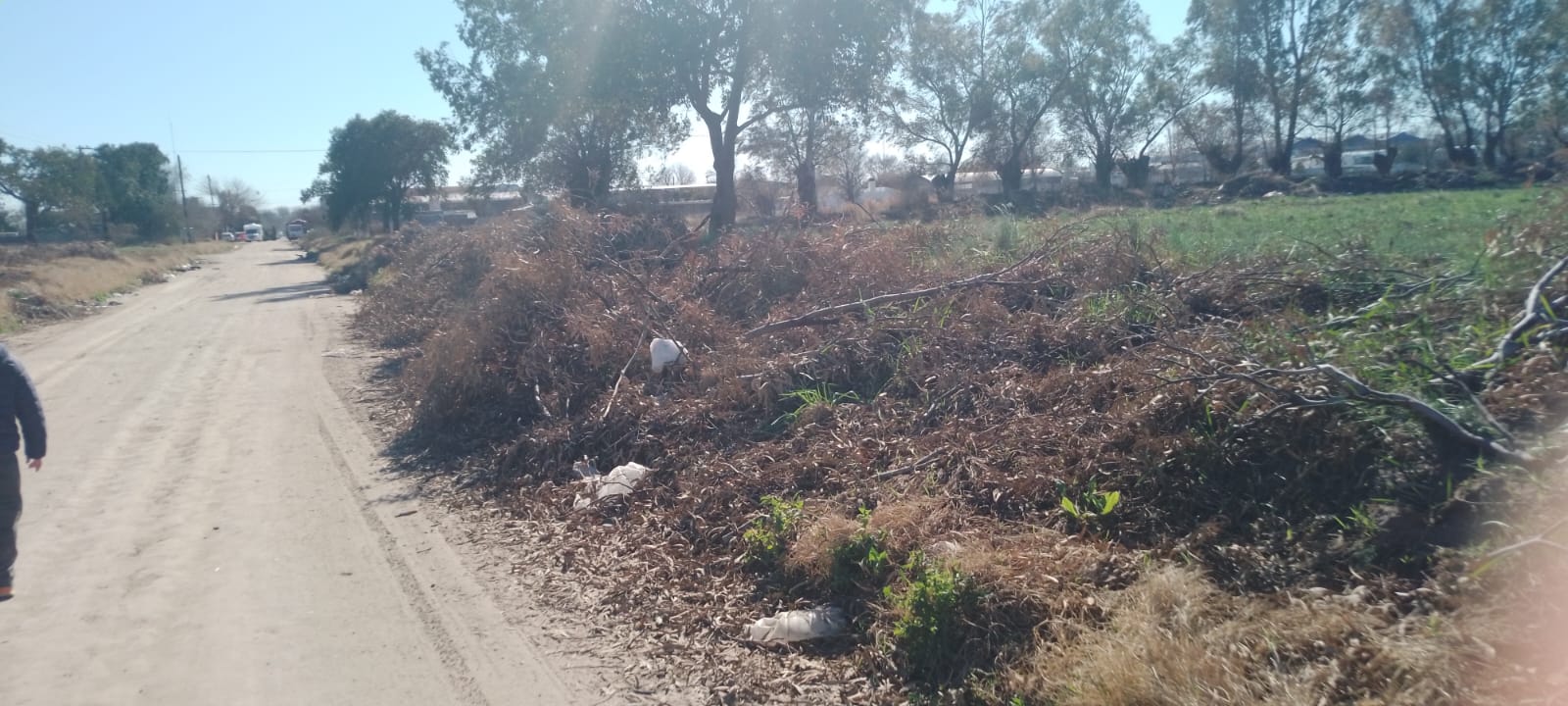
– **Trulalá:** in this case, they exposed the problem of the **[proliferation of micro-dumps](https://noticiasambientales.com/residuos/capilla-del-monte-crisis-sanitaria-y-ambiental-por-el-basural-a-cielo-abierto/)** and warned about the danger of burning waste, whose black smoke affects visibility on nearby roads.
Citizen complaints coincide in a common demand: the need for greater control over illegal waste burning and a sustained cleaning plan to eradicate garbage dumps. The situation not only generates **environmental pollution** but also represents a risk to **health** and **road safety** in the city.
## Risks of open-air garbage dumps
According to the most recent official figures, in Argentina there are at least **5000 open-air garbage dumps**. That is, sites where **[solid waste is indiscriminately dumped](https://noticiasambientales.com/medio-ambiente/argentina-tiene-al-menos-5000-basurales-a-cielo-abierto-el-impacto-ambiental-y-en-la-salud/)**, without operational control and with few environmental protection measures.
Based on these numbers, it is estimated that each municipality in the country has two of these dumps, most of which are considered formal. This means that they were designated by local governments to dispose of their garbage.
Without the necessary measures for proper waste treatment, these places become **a source of pollution**, generating **leachate liquid** from decomposing waste and water that comes into contact with them, and **emitting greenhouse gases**.



