



The president of Brazil, Luiz Inácio Lula da Silva, announced on March 22, 2026 the expansion by 70% of two protected areas in the Pantanal, the largest wetland on the planet. The announcement was made during the inauguration of the COP15 on migratory species in Campo Grande, considered the gateway to the Pantanal.
The measure incorporates 104,200 additional hectares to the Pantanal Matogrossense National Park and the Taiamã Ecological Station, raising the protected area from 4.7% to 5.4% of the wetland.
Objectives of the expansion
The Ministry of Environment highlighted that the decision aims to:
- Strengthen the ecosystem’s resilience against climate change.
- Protect threatened species, such as the jaguar, the tapir, and the anteater.
- Preserve fish breeding grounds, essential for aquatic biodiversity.
- Combat fires, the main threat to the Pantanal, by expanding firefighter brigades.
The Pantanal: natural heritage
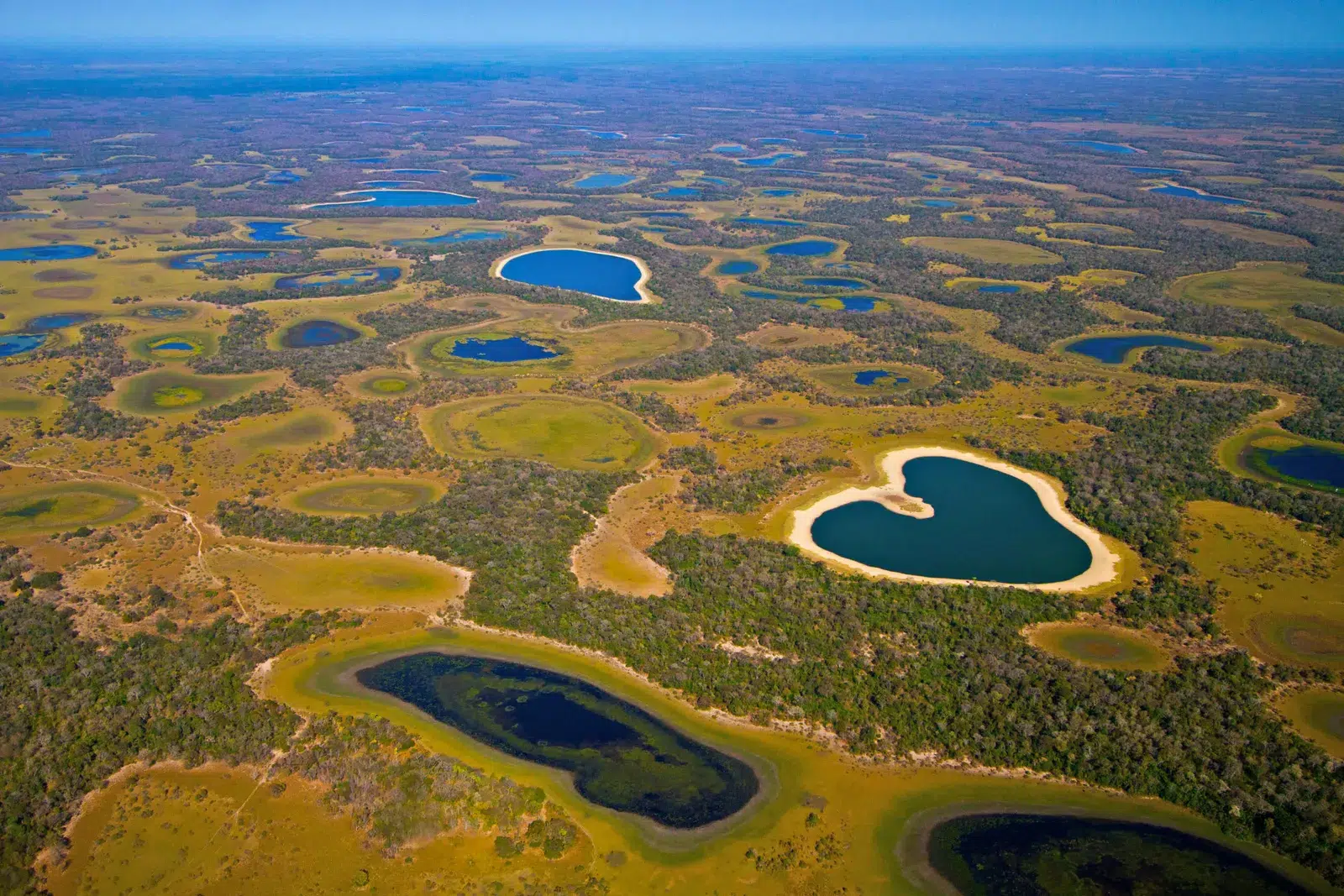
The Pantanal, recognized by UNESCO as a Natural World Heritage Site, extends through Brazil, Paraguay, and Bolivia. It is one of the richest ecosystems on the planet, home to hundreds of animal and plant species, and vital for climate regulation and water provision.
Lula’s environmental policies
The expansion is part of the environmental policy of Lula’s government (2023-present), which seeks to position Brazil as a climate leader:
- Zero deforestation by 2030: a central goal to reduce greenhouse gas emissions by between 59% and 67%.
- Institutional reconstruction: strengthening of organizations like IBAMA to combat illegal hunting and the destruction of the Amazon.
- Fight against environmental crime: creation of a Police Cooperation Center in the Amazon.
- International financing: initiatives like the Tropical Forests Forever Fund to attract global resources.
- Bioeconomy: promoting a development model that values standing forests and benefits local communities.
Contradictions and challenges
Despite the progress, the government faces the challenge of balancing environmental protection with development projects, such as hydrocarbon exploitation and the pressure from the agro-mining sector. This tension reflects the difficulty of reconciling the green agenda with the economic demands of a country heavily dependent on the export of natural resources.
The expansion of protected areas in the Pantanal represents a significant step for biodiversity conservation and climate change mitigation. At the same time, it reaffirms Brazil’s commitment to protecting its ecosystems and the international environmental agenda. However, the challenge will be to sustain these policies in the face of economic pressures and ensure that the protection of the Pantanal translates into lasting benefits for local communities and the planet.



