



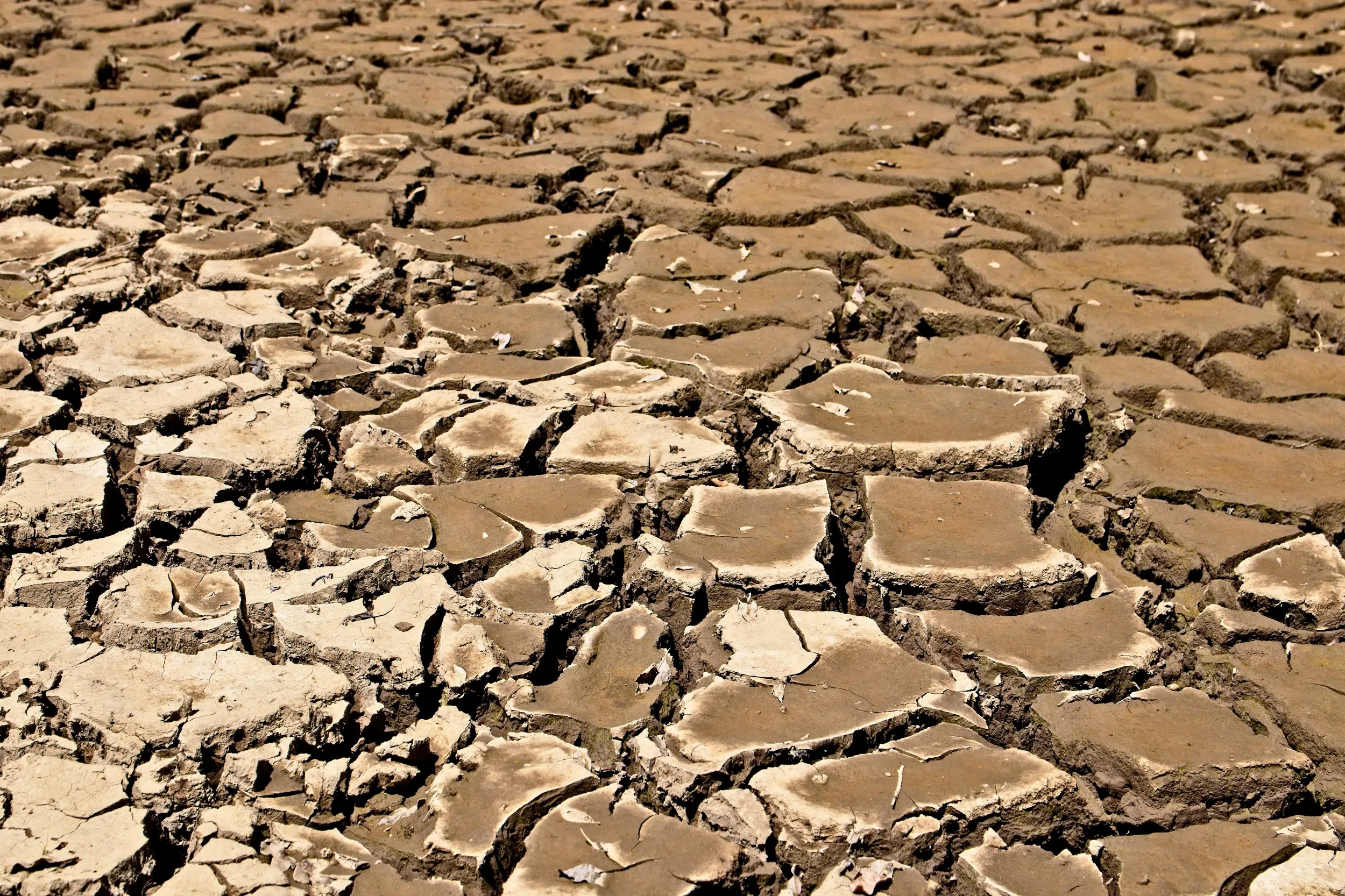
The U.S. Drought Monitor reported that more than 50 million people live under extreme or exceptional drought conditions in the United States, following the warmest period recorded in the country’s history.
The update published on May 21, 2026, coincides with a year of record temperatures, exacerbating the water crisis and its impacts on agriculture, livestock, and domestic consumption.
Most Affected States
Areas classified as D4 (exceptional drought) include:
- Southwest Idaho.
- Border areas of Nevada and northeast Utah.
- Parts of Colorado and Nebraska in the Great Plains.
- Areas of Texas, Arkansas, Oklahoma, and Mississippi in the south.
- Areas of Florida, Georgia, and the Carolinas in the southeast.
Meanwhile, the category D3 (extreme drought) extends through Oregon, Montana, Wyoming, Arizona, New Mexico, South Dakota, Kansas, Louisiana, Kentucky, Tennessee, and Virginia, among other states.
Climatic Context
The NOAA confirmed that the period from May 2025 to April 2026 was the warmest recorded in the 48 contiguous states. April 2026 became the third warmest April in history. The combination of unusually high temperatures and below-normal precipitation reduced snow accumulation in the west and the Great Plains, limiting the recharge of reservoirs and aquifers.
Impacts on Agriculture and Livestock
According to the Union of Concerned Scientists, the drought is reducing the availability of water for irrigation, damaging crops, and putting pressure on essential underground supplies. Ranchers are forced to reduce the size of their herds, directly affecting the incomes of small and medium-sized producers.
- Lower agricultural yields.
- Volatility in food prices.
- Increased costs for consumers and producers.
Institutional Responses
Federal and state authorities have intensified monitoring of water resources. The USDA and NOAA update maps and reports weekly to adjust drought management strategies. Measures adopted include:
- Restrictions on water use for urban and agricultural consumption.
- Promotion of efficient irrigation technologies.
- Technical assistance plans for rural communities.
Future Prospects
The Climate Prediction Center warns that the drought will persist in the north and west of the country, although some improvements may be recorded in southern Texas, the lower Mississippi Valley, southern Florida, and the northeastern United States due to summer rains. However, new drought areas are expected to develop in the Great Plains and the Upper Midwest under warm and dry conditions.
Outside the continental territory, in Alaska, Hawaii, Puerto Rico, and the Virgin Islands, only mild dryness conditions are reported, with no significant expansion forecast.
The extreme drought in the United States reflects the vulnerability of agricultural and urban systems to climate change. With more than 50 million people affected, the phenomenon demands strengthening water management plans, optimizing resource use, and promoting more resilient production models.
The evolution will depend on the behavior of summer rains and phenomena such as El Niño, which could modify precipitation patterns in the coming months.


