



In recent months, the main access to La Martona Club de Campo underwent a drastic change. The urban trees framing the path were partially felled, with the removal of between nine and eleven specimens. The intervention not only altered the physiognomy of the place but also sparked deep discontent among neighbors and owners of the historic country club.
The work also reached the internal forest, a space considered emblematic for its environmental and landscape value. The decision was made by the club’s administration, which claimed to have the approval of the owners’ council. However, several neighbors questioned the lack of official communication and doubted whether the consultation process at a meeting had been respected.
Explanations regarding the tree felling changed over time. It was first mentioned as a risk of contact with power lines, then as visibility problems for drivers, and finally as a technical report warning of danger of falling. However, the study was not publicly disclosed, fueling mistrust among residents.
The lack of clarity about the scope of the measure generated criticism towards the administrator and the owners’ council. Many residents pointed out that not only the environmental heritage of the club was affected but also the sense of community spirit that should guide decisions of this magnitude.
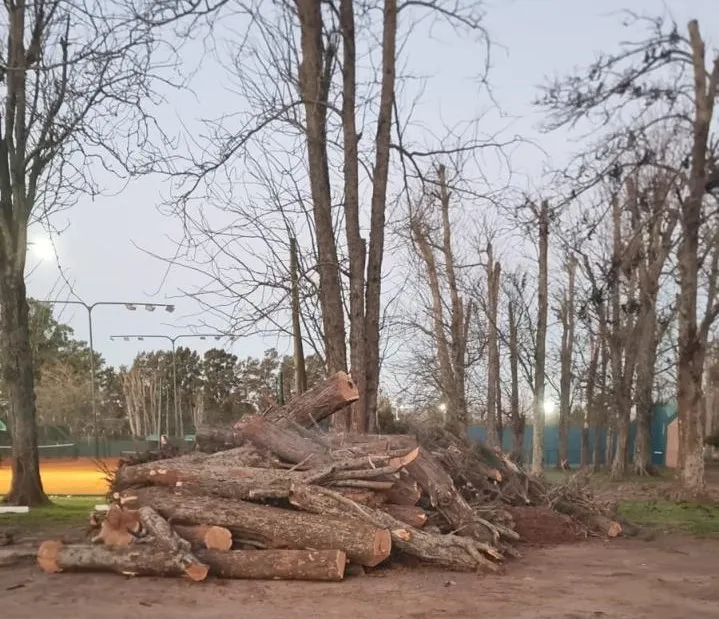 The felling of urban trees in the Cañuelas country sparked controversy among neighbors. Photo: El Ciudadano.
Trees are irreplaceable
In an attempt to offset the impact, the administration organized a reforestation day in August that brought together more than 60 families. The initiative aimed to plant new specimens to create a forest for future generations. However, for many neighbors, the activity was insufficient in the face of the loss of mature trees that took decades to reach their size.
The episode highlights the need to rethink environmental management in privately-owned communal spaces. Transparency in decision-making and consulting with residents are essential to ensure the preservation of the natural heritage. Unauthorized felling with unclear arguments not only generates mistrust but also erodes the community’s bond with its environment.
Beyond reforestation, the challenge lies in recognizing that trees are not replaceable elements in the short term. Each lost specimen represents decades of ecosystem services that cannot be recovered immediately. In times of climate crisis, caring for urban trees should be a priority, not a discretionary option.
The situation at La Martona reflects a broader issue: how to reconcile urban needs with green conservation. The experience delivers a clear message: every tree matters, and its loss has an environmental and social cost that transcends the boundaries of a country club or a gated community.
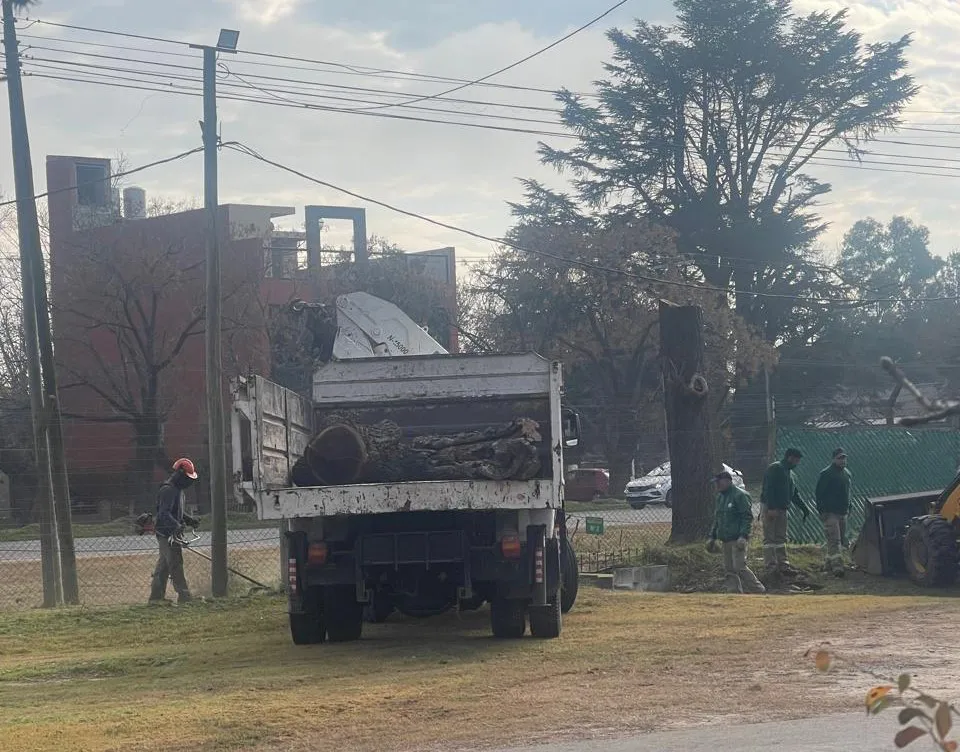 The felling of urban trees in the Cañuelas country sparked controversy among neighbors. Photo: El Ciudadano.
The ecological consequences of tree felling in urban areas
The loss of trees in urban areas goes beyond an aesthetic change in the landscape. Each tree fulfills vital functions for the community and the environment. Their removal reduces the thermal regulation capacity, as trees provide shade, moderate temperatures, and mitigate the “heat island” effect typical of cities.
Tree felling also means a setback in air quality. Trees absorb carbon dioxide and release oxygen, as well as filter out polluting particles that affect respiratory health. Their disappearance increases residents’ exposure to pollutants and loses a key ally in the fight against climate change.
Another direct consequence is the alteration of the local ecological balance. Trees serve as shelter and food for birds, insects, and small mammals. Their removal fragments habitats and reduces biodiversity in spaces that, like La Martona, are true green lungs within urban areas.


