



For years, some scientists argued that glacial melting could have a beneficial effect: releasing iron trapped in the ice into the ocean, fertilizing microscopic algae capable of absorbing carbon dioxide and contributing to mitigating climate change.
The theory suggested that these algae, upon dying, would sink to the ocean floor, sequestering carbon almost permanently. There was even a proposal for iron geoengineering, that is, dumping large amounts of this mineral into the ocean to stimulate photosynthesis. However, other experts warned that this could create “dead zones”, areas with oxygen levels so low that marine life can barely survive.
The Recent Finding
A study led by oceanographers from the Rutgers University-New Brunswick (USA), in collaboration with British and American institutions, dismantles this idea. After analyzing samples from the Dotson ice shelf in the Amundsen Sea (West Antarctica), they found that meltwater provides 90% less useful iron than previously thought.
The results show that:
- Only 10% of the dissolved iron comes from meltwater.
- 62% comes from deep waters entering the cavities under the ice.
- 28% comes from sediments on the shelf.
This means that the iron released directly by glacial melting is minimal.
Global Implications
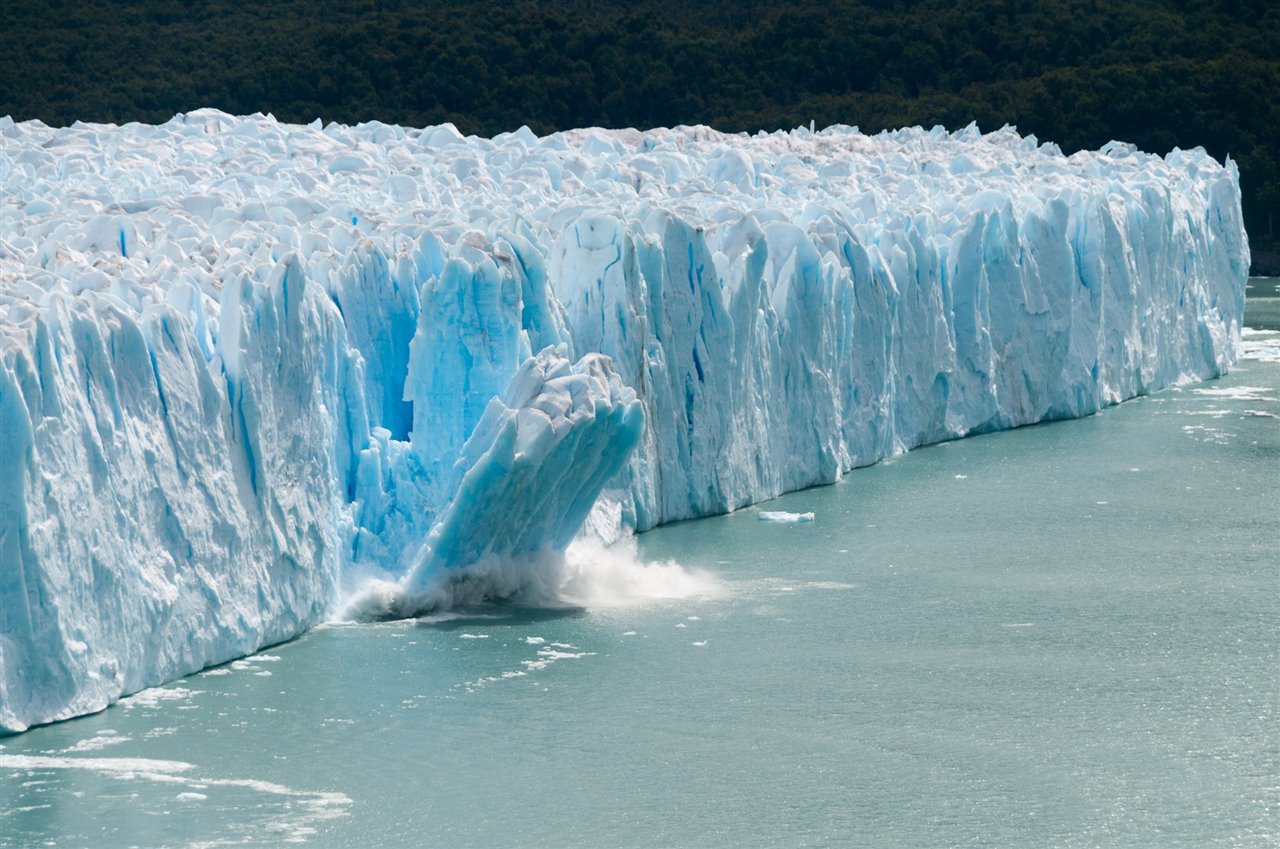
The Thwaites Glacier, known as the “Doomsday Glacier,” already accounts for 4% of the annual sea level rise. If it were to collapse completely, sea levels could rise by up to 65 cm, exposing millions of people to coastal flooding.
The finding about iron dismantles the idea that melting could have a compensatory effect. On the contrary, it confirms that the impact of climate change on glaciers is clearly negative: it contributes to rising sea levels and offers no significant benefits in carbon absorption.
New Lines of Research
The study, published in Communications Earth and Environment, also revealed that beneath the glacier there is a liquid layer without dissolved oxygen, which could be a greater source of iron than the melting itself. This opens new questions about the real sources of iron in Antarctica and their role in ocean dynamics.
The researchers conclude that more studies are needed to better understand how deep waters, sediments, and melting interact on a warming planet.
Glacial melting is not an ally against climate change, but an alarming symptom of its progress. The theory of iron fertilization loses strength in the face of scientific evidence: the direct contribution from the ice is minimal and does not compensate for the global risks posed by the disappearance of glaciers.



