



Amid public hearings extending until March 26, concerns are growing over the reform of the Glacier Law.
Additionally, the initiative seeks to enable productive activities in periglacial areas. Consequently, multiple sectors are questioning its environmental impact.
Therefore, the debate exposes tensions between economic development and conservation. Likewise, it highlights the issue of water security.
In this context, the discussion transcends the political. Thus, it becomes a key issue for the country’s environmental future.
Science warns about the key role of mountain systems
The National Academy of Sciences, from Córdoba, expressed its support for the current regulations. Additionally, it highlighted the importance of glacial systems.
These environments regulate water in mountain regions. Consequently, they ensure water availability on a regional scale.
Furthermore, they store and release water progressively. Therefore, they are essential for sustaining ecosystems and human activities.
On the other hand, periglacial systems perform similar functions. Thus, their relevance is comparable to that of visible glaciers.
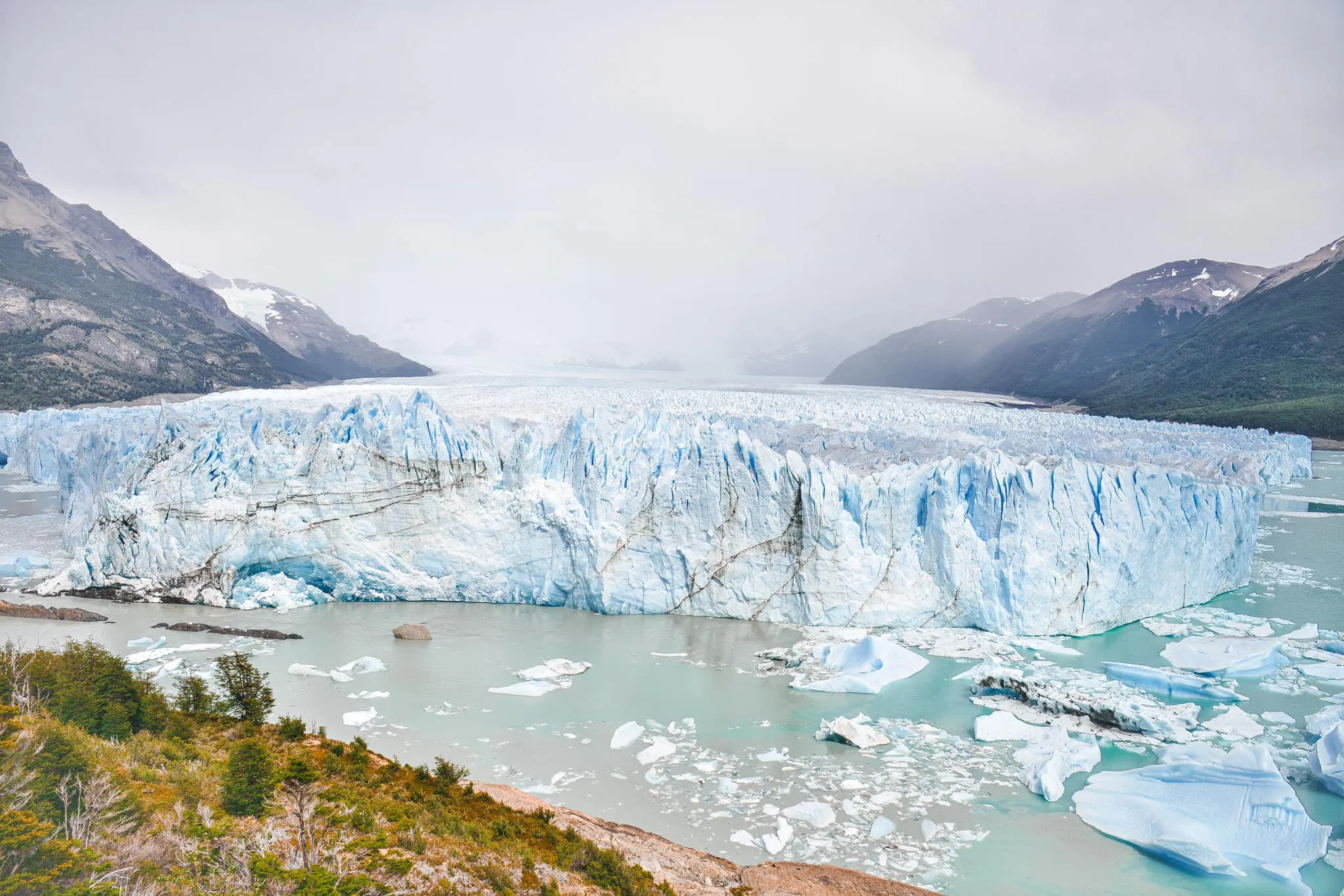
Periglacial environments: invisible and vulnerable reserves
In many basins, water is not only found in glaciers. Additionally, it is present in permafrost, rock glaciers, and frozen sediments.
These systems act as natural regulators. However, they are highly sensitive to external disturbances.
Moreover, small changes can generate large impacts. Consequently, the stability of the soil and the water flow are altered.
Therefore, their degradation implies broad environmental risks. Thus, the balance of entire landscapes is compromised.
Climate change and anthropogenic pressure: a critical combination
Global warming directly affects the cryosphere. Additionally, it raises the snow line and accelerates melting.
Consequently, glacial systems are approaching critical limits. Therefore, their stability becomes uncertain.
Furthermore, human intervention can exacerbate these processes. Thus, the damage could become irreversible on human scales.
On the other hand, these environments harbor specialized biodiversity. Consequently, their alteration impacts multiple levels.

What reforms are being sought in the Glacier Law
The project under debate proposes to modify the scope of the current protection. Additionally, it suggests easing restrictions in periglacial zones.
Consequently, it would facilitate the development of activities such as mining. Therefore, the economic use of these areas would be expanded.
Moreover, the initiative redefines which sectors remain protected. Thus, some environments could lose legal protection.
On the other hand, the weakening of the precautionary principle is questioned. Consequently, risks increase in the face of environmental impacts.
Social participation and water defense
Various actors participated in the public hearings. Additionally, representatives from Córdoba expressed their concern about the water crisis.
Consequently, they emphasized the dependence on these systems for water supply. Therefore, their protection is strategic.
Furthermore, youth organizations warned about the impact on future generations. Thus, the debate acquires an intergenerational dimension.
On the other hand, limitations in citizen participation were pointed out. Consequently, there is a demand for greater transparency in the process.
Finally, the central focus remains clear. Water is a vital and scarce resource, whose preservation defines the environmental and social balance.


