



The world is undergoing a profound transformation in its relationship with freshwater. It is no longer a matter of a temporary crisis, but a post-crisis stage marked by irreversible losses.
This scenario forces a rethinking of public policies, productive models, and daily habits, as many water systems have exceeded their recovery limit.
Thus, the notion of abundance is left behind, giving way to a reality of structural scarcity that spans continents.
Regions under greater water pressure
The most alarming signs are concentrated in the Middle East and North Africa, where historical overexploitation has reduced aquifers and rivers. Added to this is South Asia, with increasing demand.
In parallel, the southwestern United States faces persistent water stress. There, the Colorado River and its reservoirs reflect decades of consumption beyond their actual capacity.
Although not all countries face the same situation, the accumulation of critical systems alters the global water balance.
A planet losing essential reserves
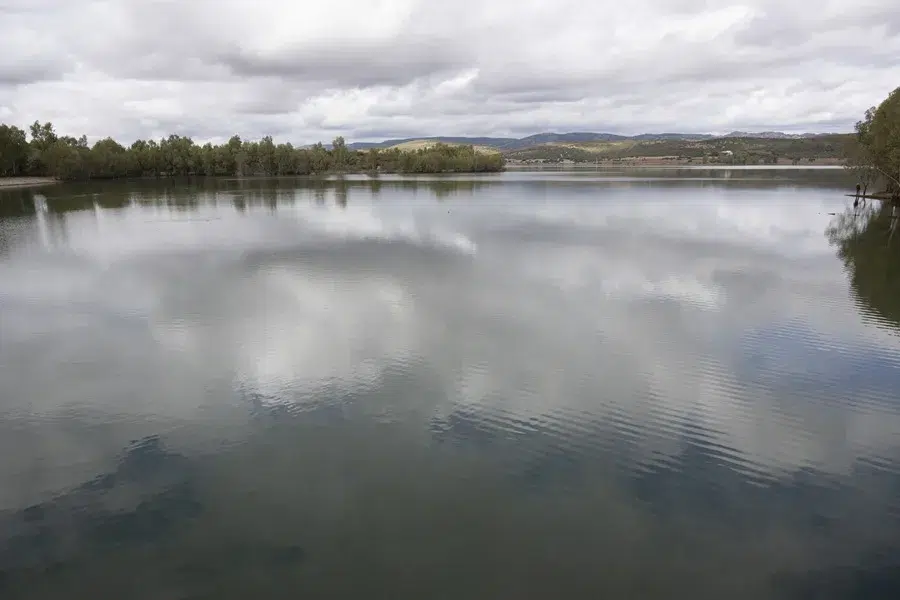
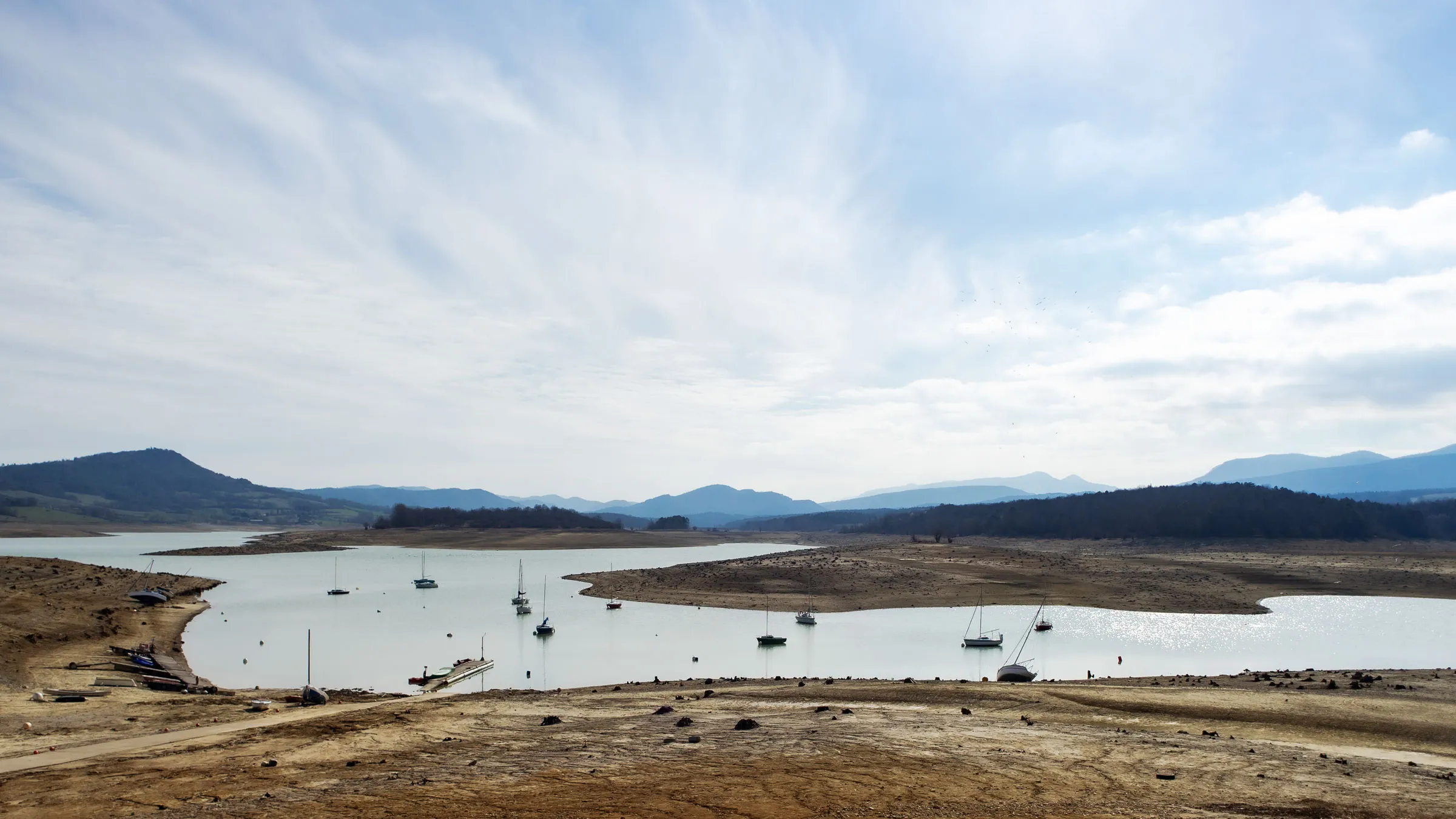
Since the 1990s, more than half of the world’s large lakes have reduced their volume. This phenomenon alters local climates and affects millions of people.
At the same time, the intensive use of groundwater supports domestic consumption and agricultural irrigation but accelerates the depletion of deep aquifers. Added to this is the disappearance of wetlands, glaciers, and rivers that no longer reach the sea for part of the year.
How this affects the environment
The water bankruptcy directly impacts ecosystems. The loss of wetlands reduces biodiversity and eliminates natural barriers against floods and droughts.
Moreover, the retreat of glaciers compromises strategic freshwater reserves and alters the flow of essential rivers for wildlife.
Consequently, the water degradation accelerates desertification, impoverishes soils, and disrupts key ecological balances.
Social and productive consequences
The water scarcity already affects billions of people at least one month a year. This strains health, energy, and food systems.
Since agriculture accounts for most of the freshwater use, any alteration affects prices and global food security.
Thus, the lack of water becomes a factor of inequality, forced migrations, and territorial conflicts.
Recognize to rebuild
Accepting the water bankruptcy does not imply resignation but a starting point. Recognizing the limits allows for planning a fairer and more sustainable management.
This requires international cooperation, ecosystem protection, and long-term political decisions that prioritize water care.
Only then will it be possible to rebuild the relationship between society and nature on a planet where water is no longer infinite.



