



In a fact considered historic for environmental legislation in Mexico, the Chamber of Deputies unanimously approved reforms to the Federal Penal Code that toughen penalties against ecological crimes affecting forests, natural areas, rivers, and endangered species.
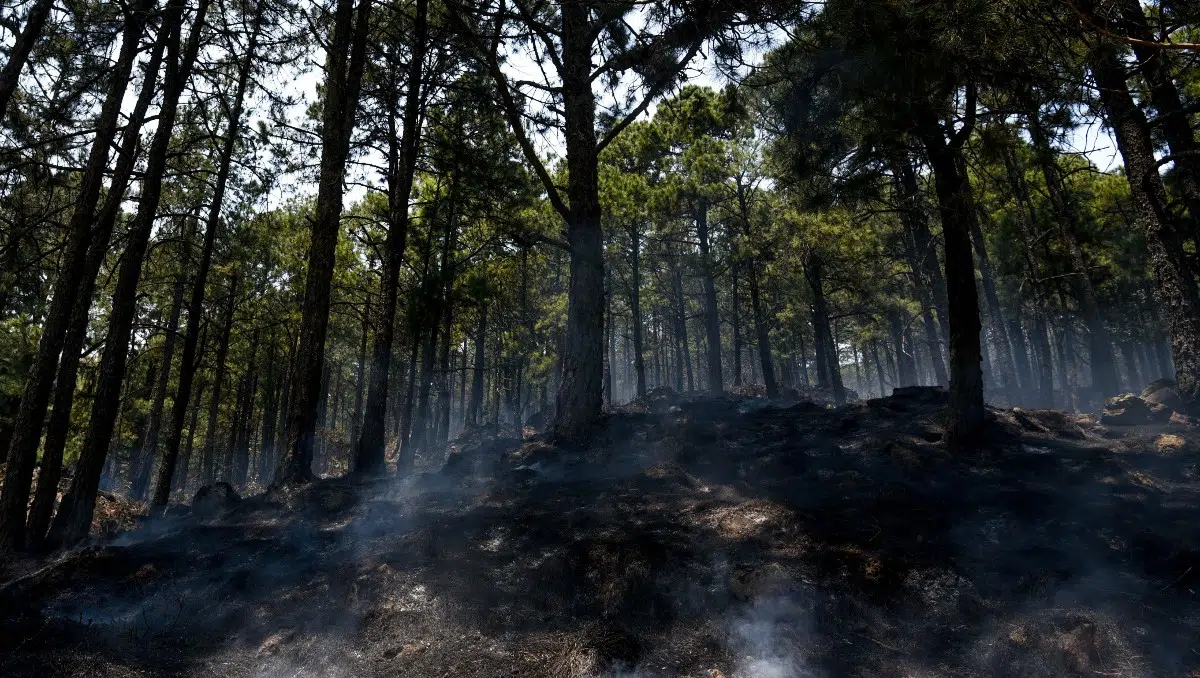
The initiative seeks to dissuade destructive practices such as illegal logging, wildlife trafficking, and arson, with penalties reaching up to 20 years in prison and fines of thousands of days of minimum wage.
Voting and approved reservations
After more than three hours of discussion, the bill was approved with 460 votes in favor and sent to the Senate to continue its legislative process.
Two key reservations were incorporated:
- Aggravated forestry crimes: occupation, invasion, or change of land use in Protected Natural Areas (PNA), as well as falsification of information to obtain environmental records or certificates.
- Protection of endangered fauna: up to five additional years in prison when causing the death of threatened or specially protected species within a PNA.
Main changes in the Penal Code
The reform raises and expands penalties:
- General environmental crimes: from 1–9 years to 2–10 years in prison.
- Forestry crimes: from 6–20 years in prison and fines of 6,000 to 10,000 days when the damage occurs in PNA.
- Use of violence or firearms: from 8–15 years in prison.
- Totoaba trafficking: fines of up to 12,000 days and penalties of 5–15 years, to protect the Gulf of California and species like the vaquita marina.
New ecological crimes incorporated
The reform also typifies new behaviors:
- Illegal discharges into aquifers.
- Damage to mangroves, wetlands, lagoons, swamps, and reefs.
- Arson for profit.
- Penalties for those who finance or cover up species trafficking.
- Penalties of six months to two years for breaking suspension seals.
- Crime for continuing illegal activities despite the placement of seals.
For the first time, criminal liability for legal entities is incorporated, meaning companies, aligning Mexico with international standards.
Additional reservations
Deputy Gabriela Benavides Cobos (PVEM) managed to increase penalties for the death of protected fauna in PNA, after a vote initially rejected due to distraction in the plenary and immediately reconsidered.
Senator Ricardo Monreal Ávila added penalties of up to 15 years for invasion of forest areas within PNA and up to 20 years if weapons are used or there is profit motive. It also penalizes the use of false information to deceive consumers, authorities, or investors.
Criticism from the opposition
Although the reform was unanimously approved, opposition legislators warned that without sufficient personnel or resources, the law could fail.
- Diana Estefanía Gutiérrez (PAN): “Toughening penalties is necessary, but not sufficient. Profepa has fewer inspectors, Conanp operates without enough park rangers, and Conafor faces fires without resources.”
- Teresa Ginez (PAN): “It is useless to approve more severe crimes if the authorities lack the tools to operate.”
- Iraís Reyes de la Torre (MC): “Increasing penalties does not stop deforestation, does not end species trafficking, does not reforest mountains, nor clean rivers.”
The Mexican environmental reform represents a significant advance in the protection of ecosystems and species, by toughening penalties against ecological crimes and aligning legislation with international standards. However, the challenge of ensuring resources, personnel, and operational capacity persists so that the new provisions translate into effective results.


