



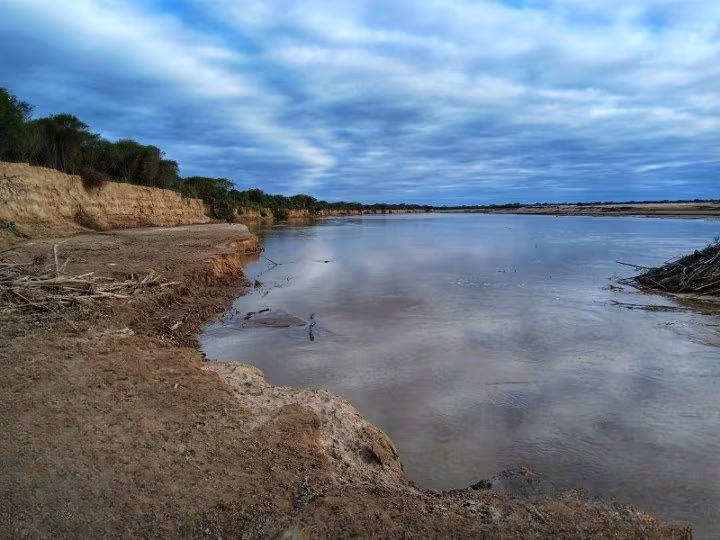
The waters of the Pilcomayo River re-entered Paraguayan territory on December 30th.
The flow began to run through the riverbed in the Embocadura area, bringing relief to the riverside communities of the Chaco that were facing a severe drought.
Therefore, the return of the water represents a significant advance for the region.
The director of the National Commission for Regulation and Multiple Use of the Pilcomayo River Basin (CNRP), Darío Medina, confirmed that the river is already flowing through its natural course.
The flow is key because it benefits the riverside populations and progressively advances towards the General Díaz marshes.
“We ask the citizens who are on the riverbank to take their precautions, safeguard their assets, their belongings, their animals, their livestock and of course their lives,” Medina said.
The works allowed the water to enter
The entry of the water resource was possible thanks to the timely works carried out in three lots awarded by the Ministry of Public Works and Communications (MOPC).
The interventions included cleaning, deepening, and widening of the canal at the water intake.
The works focused on the following areas:
- Paraguayan Embocadura: main entry area of the water
- Internal channels: systems that distribute the flow
- Water intake: point that distributes the resource between Argentina and Paraguay
Medina pointed out that this result reflects the importance of maintenance works.
It should be noted that the Pilcomayo River carries large amounts of sediments that require constant interventions to maintain the water flow.
The permanent monitoring of the Pilcomayo River’s behavior
The behavior of the Pilcomayo is being monitored daily by the authorities.
The CNRP maintains permanent communication with the riverside population to provide timely alerts in the event of possible changes in the flow.
The river advances forcefully and overflows may occur in some places. Authorities recommend avoiding people entering the riverbed for safety reasons.
The flow at the embocadura is estimated to be around 3.5 meters. In Misión La Paz-Pozo Hondo, it was recorded at about 4.8 meters, while in Villamontes, Bolivia, the level was falling.
The impact on communities and ecosystems
The return of the Pilcomayo waters directly benefits multiple communities in the Paraguayan Chaco.
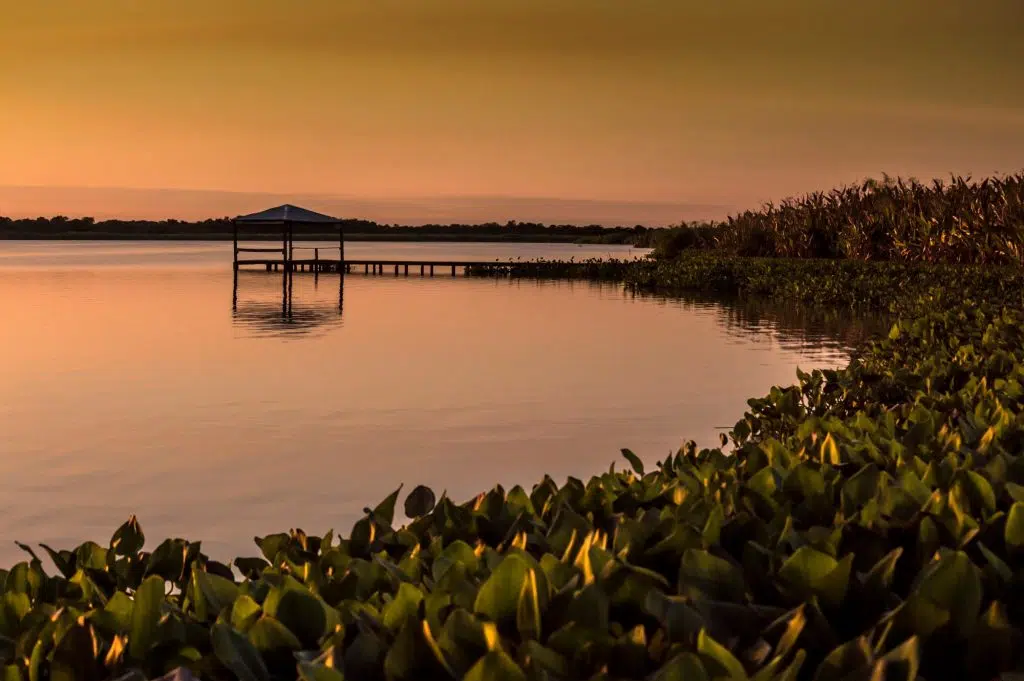
The arrival of the water in the General Díaz area will allow feeding natural systems like the Estero Patiño and Monte Lindo.
These ecosystems are fundamental for numerous communities and agricultural producers, as the water from the Pilcomayo River alleviates the extreme drought affecting the region and reactivates historical wetlands in its path.
At the moment, the waters have already passed through the Agropil area, located about 100 kilometers from the embocadura.
If these conditions are maintained, it is expected that in approximately four days it will reach the General Díaz area.
Precautions against the advance of the Pilcomayo River’s course
Although the entry of the water represents positive news for the Chaco, authorities ask citizens to take extra care.
Therefore, residents living near the riverbank should take preventive measures.
The CNRP recommends safeguarding belongings, animals, and livestock against possible overflows. This is because the Pilcomayo River can experience rises that affect low areas near the riverbed.
The works corresponding to the 2025-2026 period will resume starting January 5th. The contractor companies will continue maintenance work after the end-of-year break.
The permanent monitoring of the water system will allow anticipating changes in the river’s behavior.
The waters of the Pilcomayo will continue their course towards the south of the country, bringing life and relief to the populations of the Paraguayan Chaco.



