



Ireland has taken a historic step by closing down the coal operations at Moneypoint, becoming the sixth European country to completely eliminate coal from its national electricity system.
This decision marks a milestone in energy decarbonization and positions the country as a leader in the adoption of clean energies.
From wind energy to the end of coal
At the beginning of the 2000s, wind energy represented only 1% of the electric supply in Ireland. Today, it exceeds 33%, allowing for the substitution of coal with local renewable sources. This silent yet profound change has rewritten the country’s energy landscape.
“Ireland has replaced toxic coal with national renewable energy. Now it must build an electric system suitable for a 100% clean future,” stated Alexandru Mustață, an activist from Beyond Fossil Fuels.
Moneypoint: from a thermal power plant to limited backup
Although Moneypoint will maintain a limited backup role, burning heavy fuel under emergency instructions, its exit from the electricity market represents a decisive step towards a fossil-free system.
The challenge now is to minimize the use of oil and move towards its definitive dismantling.
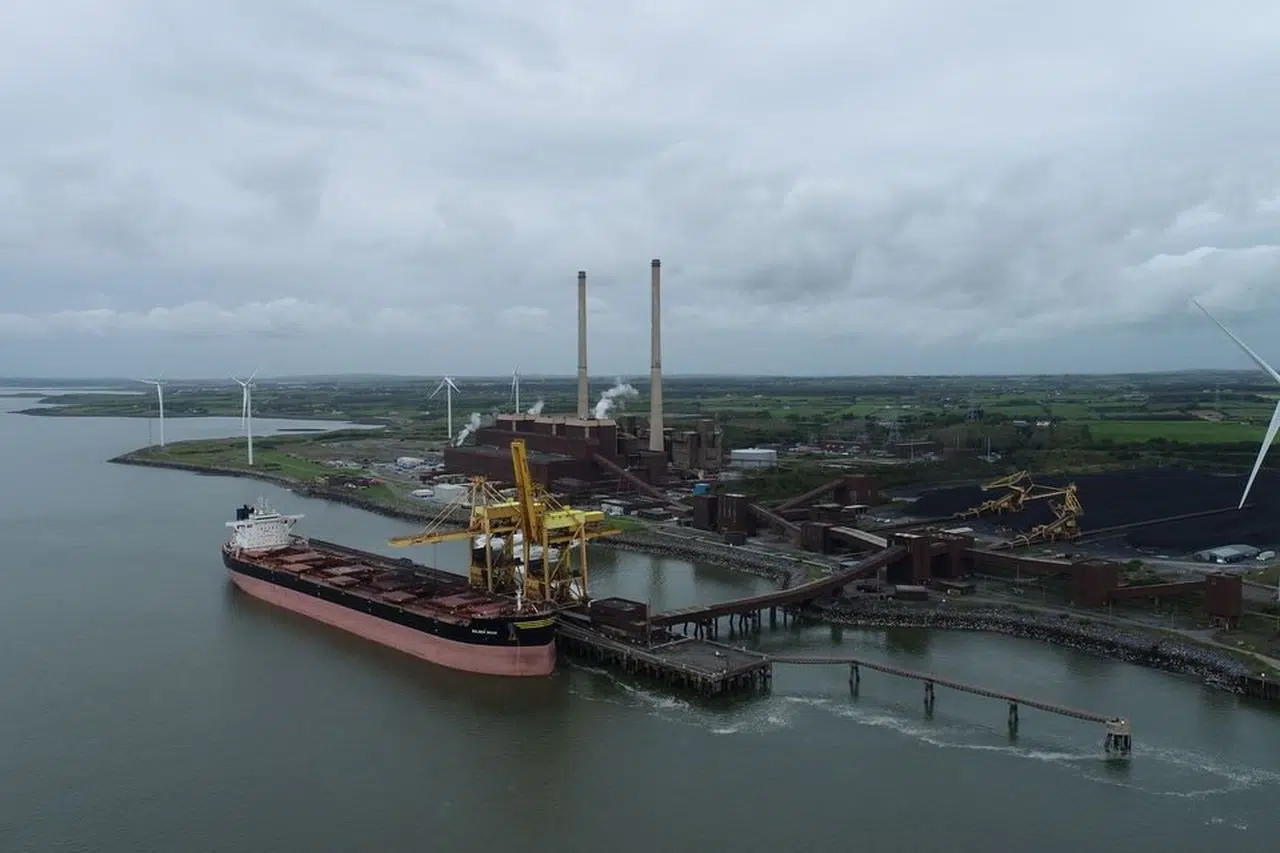 Ireland closed its last coal plant[/caption>
Criticisms of the current energy model
From Friends of the Earth Ireland, their campaigns director Jerry Mac Evilly warned that:
- The government plans to install 2 GW of gas power plants without a clear reduction strategy
- The construction of data centers increases the dependence on fossil gas, making the system more expensive and polluting
“It is time to prioritize battery storage, energy efficiency, and renewables as pillars of climate and energy security,” stated Mac Evilly.
Europe accelerates the end of coal
The closure of Moneypoint adds to a continental trend. In the coming months:
- Spain and Italy will close their last coal plants on the continent
- They will be coal-free, except in the Balearic Islands and Sardinia
Currently, 15 European countries already operate electric systems without coal, and 10 others have committed to eliminate it within the next five years.
A new energy reality for Europe
The gradual elimination of coal in Europe reflects a structural transformation in the continent’s energy matrix.
The transition to renewable energies is not only possible but already underway, with a direct impact on climate security, public health, and economic competitiveness.



